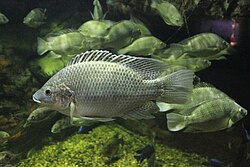
Mozambique Tilapia

Local Name

Ikan Mujair

Scientific Name

Oreochromis mossambicus

Family

Cichlidae

The Mozambique Tilapia is a freshwater fish native to southeastern Africa, widely introduced to tropical regions including Bali. Characterized by its dull greyish-green coloration and high adaptability to various aquatic environments, it feeds primarily on algae, aquatic plants, and detritus. Widely cultivated in Balinese aquaculture and freshwater ponds, it serves as a popular and essential local food source.

Local Name

Latin Name

English Name

Bali Name

Type

Other Fauna

Squirrel

Tupai (Plantain Squirrel / Treeshrew) is a small, agile mammal commonly found in trees across Southeast Asia. It features a slender body, sharp claws for climbing, a pointed snout, and a bushy tail. Active mainly during the day (diurnal), its diet consists of fruits, seeds, small insects, and nectar. In Bali, it is locally known as Semal and is frequently spotted in coconut groves, tropical gardens, and lush forest areas.
See Detail

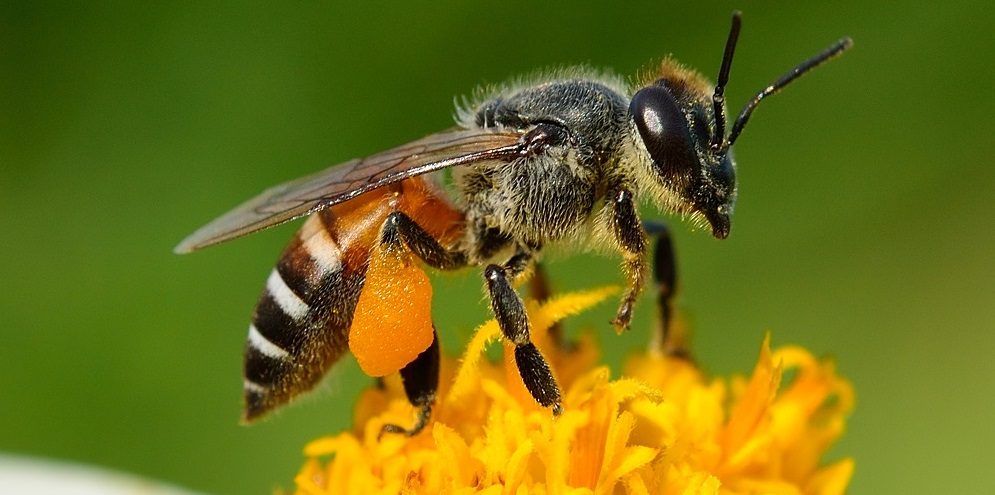
Honey Bee

See Detail

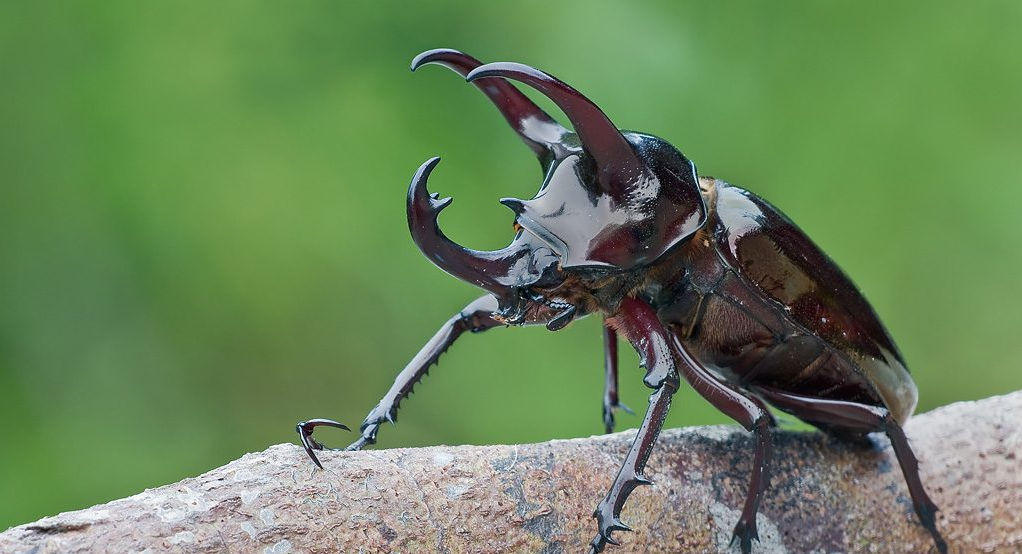
Rhinoceros Beetle

See Detail

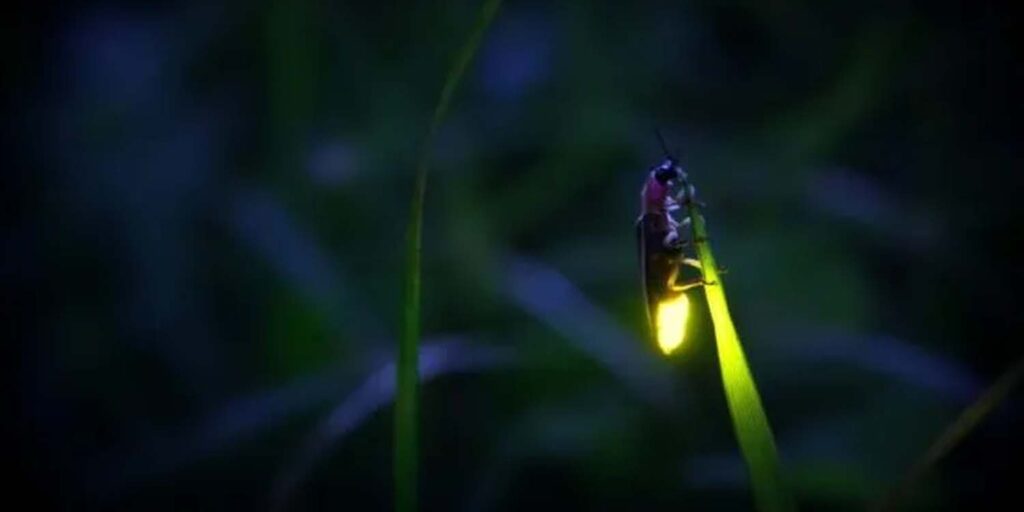
Lightning Bug

Fireflies are soft-bodied beetles belonging to the family Lampyridae, famous for their ability to produce bioluminescent light from their lower abdomen. This chemical light is primarily used to attract mates and communicate with other individuals. Thriving in warm, humid tropical environments with clean water sources and dense vegetation, fireflies feed on nectar or smaller soft-bodied insects. In Bali, their glowing presence in rice fields and gardens serves as a natural indicator of a healthy, unpolluted ecosystem.
See Detail

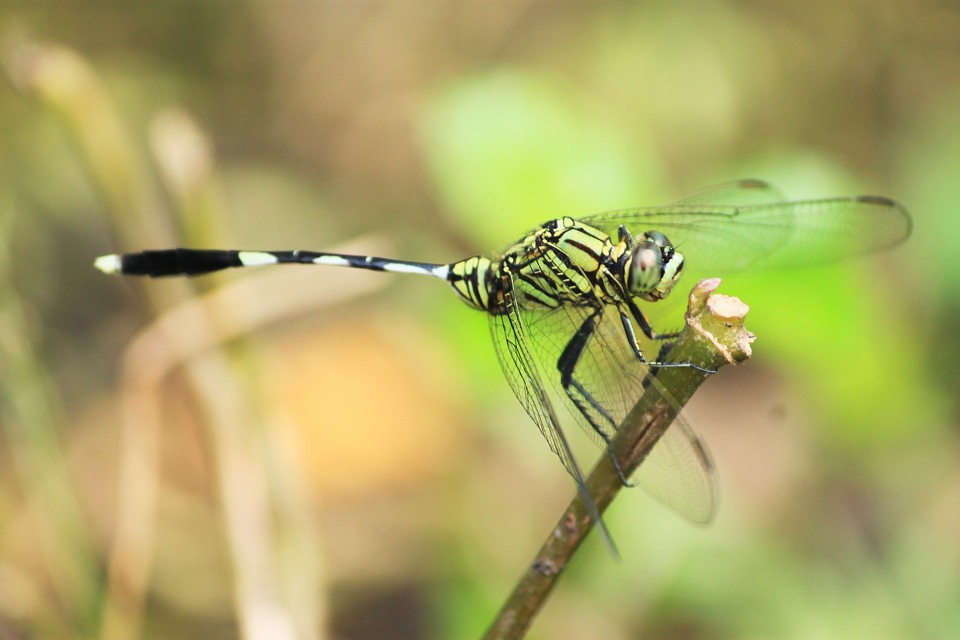
Dragonfly

The dragonfly is a fast-flying insect belonging to the order Odonata, characteristically identified by its large compound eyes, elongated body, and two pairs of strong, transparent wings. Known for their exceptional aerial agility, dragonflies are skilled predators that feed on mosquitoes, midges, and small flying insects. Typically found near freshwater sources like ponds, rivers, and rice paddies, they serve as key bioindicators of a healthy, clean environment throughout Bali.
See Detail

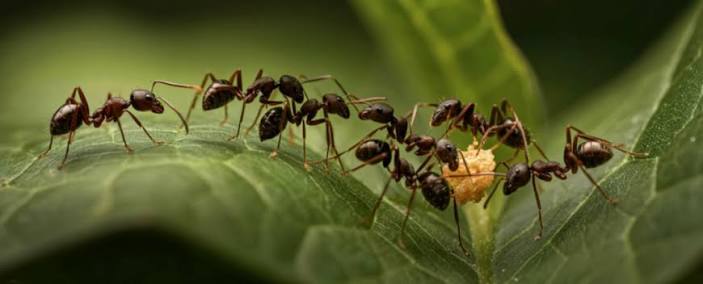
Ant

Ants are highly social insects belonging to the family Formicidae, living in organized colonies with specialized roles such as workers, soldiers, and queens. Known for their incredible strength relative to their size, communication via chemical scents (pheromones), and complex nest building, ants feed on honeydew, nectar, seeds, and small insects. They play a vital ecological role in Bali’s tropical gardens and natural landscapes as soil aerators, decomposers, and seed dispersers.
See Detail