
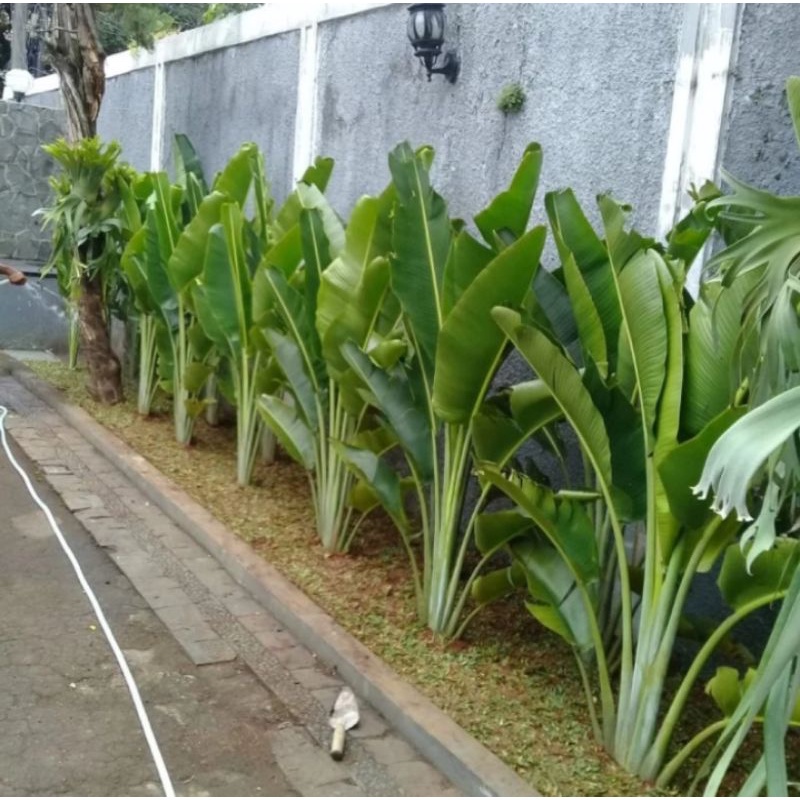
Palem Kipas is a tropical ornamental palm admired for its large fan-shaped leaves and elegant appearance. The plant is commonly used in tropical landscaping to create lush, shaded, and visually striking garden environments.
Palm species are closely associated with tropical beauty, harmony, and hospitality in Balinese landscapes. The symmetrical fan-like leaves symbolize balance and natural elegance within tropical garden settings.
Fan palms contribute to biodiversity, improve air quality, and help maintain tropical humidity. Their broad leaves also provide shelter for small insects and contribute to cooler outdoor environments.
The calming visual appearance of Palem Kipas helps create peaceful and relaxing tropical spaces often associated with wellness and mindfulness experiences.
Common Tropical Ornamental Palm Species

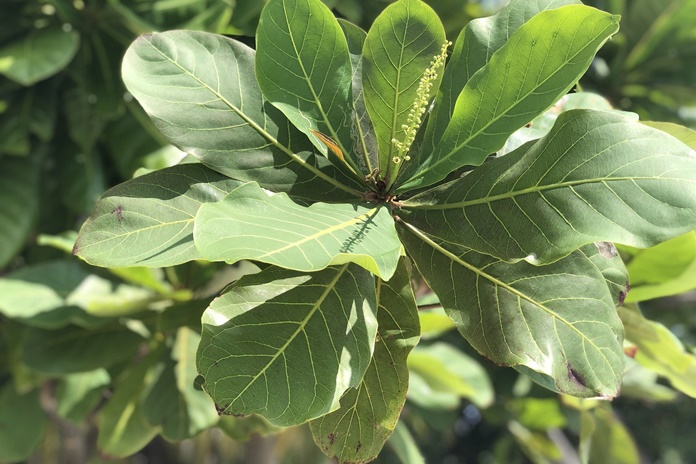
Ketapang is a large tropical shade tree recognized for its broad layered branches and seasonal color-changing leaves. The tree is widely planted in tropical landscapes for shade and environmental cooling.
Shade trees such as Ketapang are valued in Balinese culture for creating peaceful communal spaces and maintaining harmony with the natural environment.
Ketapang trees provide extensive shade, help reduce heat, improve air quality, and support habitats for birds and insects. Their fallen leaves also contribute nutrients back into the soil ecosystem.
The calming shade and natural beauty of Ketapang trees help create relaxing outdoor spaces that support wellness and mindfulness experiences.
Common Tropical Shade Tree Species
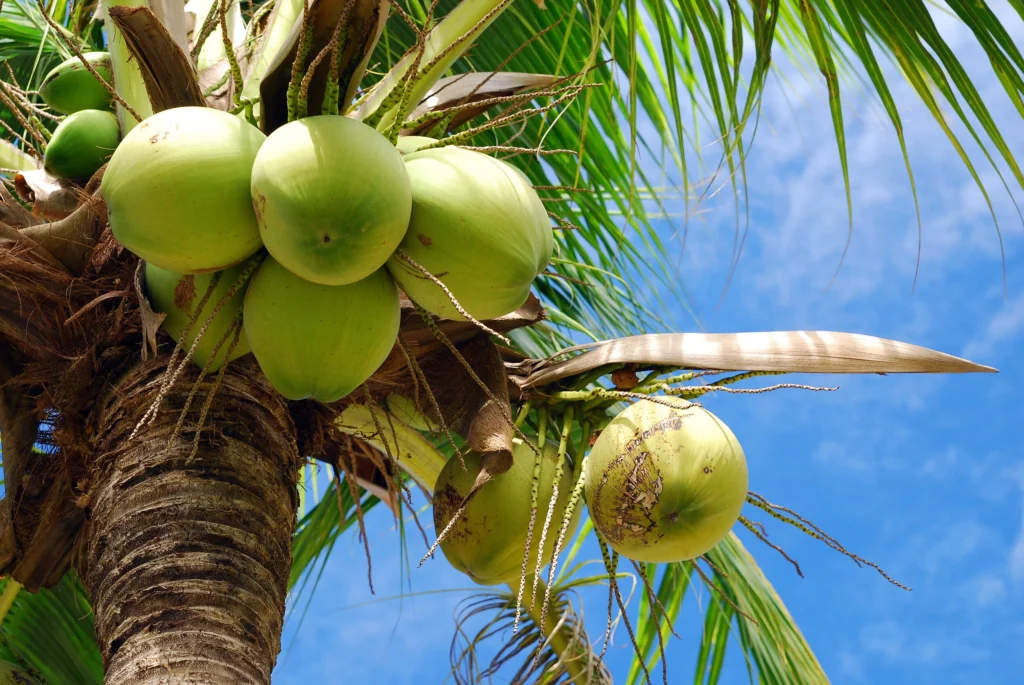
The coconut tree is a highly versatile tropical plant often known as the “Tree of Life” because nearly every part of the tree can be utilized for daily living, food, wellness, traditional ceremonies, and handicrafts. Thriving in tropical climates such as Bali, the coconut tree has become an essential part of the island’s natural landscape and cultural heritage.
In Balinese culture, the coconut tree holds deep spiritual and ceremonial significance. Coconuts, young leaves, and other parts of the tree are commonly used in daily offerings (Canang Sari), temple ceremonies, purification rituals, traditional decorations, and various religious activities. The coconut tree symbolizes purity, harmony, gratitude, and the strong connection between humans and nature.
Coconut trees help create natural shade, maintain tropical humidity, improve air quality, and support habitats for birds and insects. Their root systems also contribute to soil stability and help reduce erosion in tropical environments.
Coconut water is widely known as a natural hydrating drink rich in electrolytes. Coconut oil is traditionally used for massage, hair treatment, and skin care. Coconut flesh is commonly used in Balinese cuisine, while the leaves and shells are utilized for traditional crafts and ceremonial purposes.
Common Tropical Species / Widely Cultivated Species
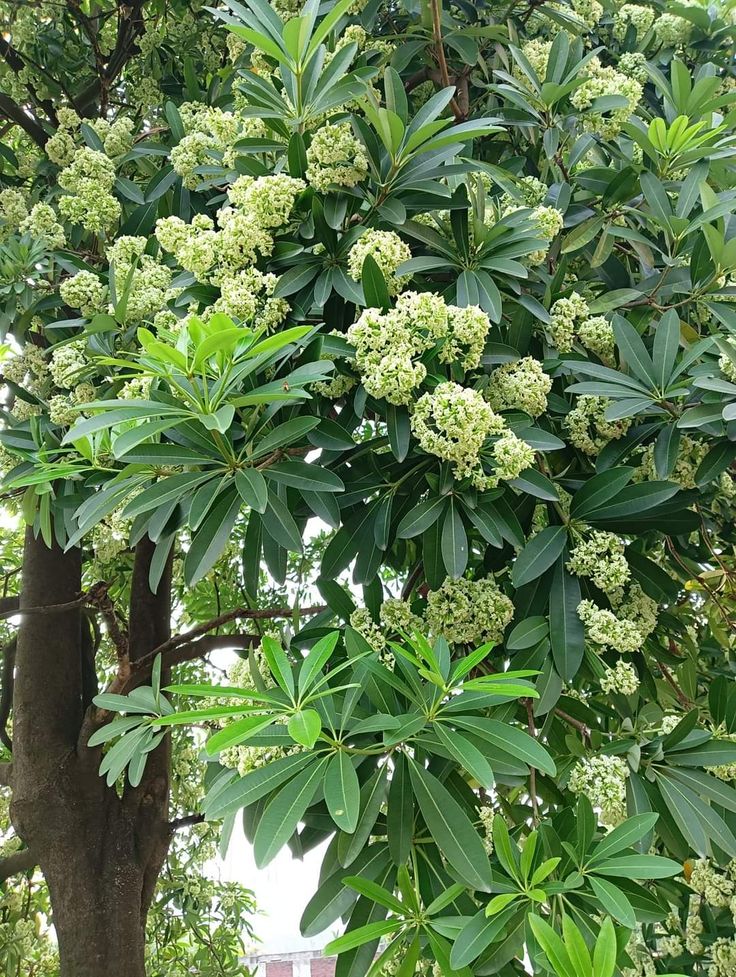
Pule, also known as Pulai, is a tall tropical evergreen tree admired for its elegant form, fragrant flowers, and strong spiritual presence. Commonly found throughout Bali, the tree contributes to the serene atmosphere of tropical landscapes with its dense canopy and calming natural beauty.
In Balinese culture, the Pule tree is considered sacred and is often associated with temples, spiritual rituals, and traditional ceremonies. The tree symbolizes protection, wisdom, purity, and harmony between humans and nature. Pule wood is also traditionally used for creating sacred masks and ceremonial carvings in Balinese art and spiritual performances.
The Pule tree provides extensive shade, improves air quality, and supports biodiversity by creating habitat for birds, insects, and pollinators. Its large canopy helps maintain cooler temperatures and contributes to environmental balance within tropical ecosystems.
Traditionally, various parts of the Pule tree have been associated with herbal and natural wellness practices. The peaceful atmosphere created by mature Pule trees also supports relaxation, meditation, and mindfulness experiences in natural environments.
Common Tropical Sacred Tree Species
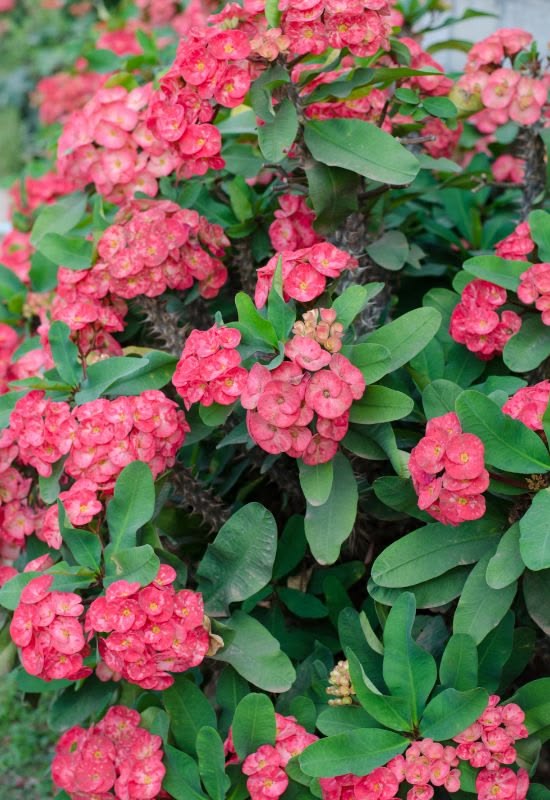
Mahkota Dewa is a medicinal tropical plant native to Indonesia, recognized for its bright red fruit and traditional herbal value. The plant is widely appreciated for both its ornamental appearance and its long history in natural wellness practices.
Medicinal plants are highly respected in Balinese traditional knowledge and wellness culture. Mahkota Dewa represents the close relationship between nature and holistic healing practices within Indonesian heritage.
The plant contributes to biodiversity and supports tropical garden ecosystems by providing greenery and habitat for small insects and pollinators.
Mahkota Dewa has long been used in traditional herbal practices in Indonesia. Various parts of the plant are believed to support wellness when properly processed and traditionally prepared.
Traditional Medicinal Tropical Plant Species
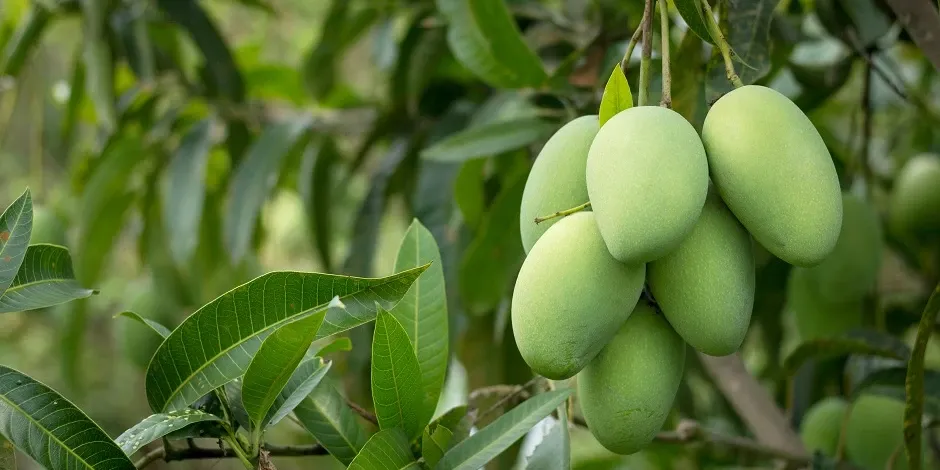
Wani is a rare tropical fruit tree native to Bali and several parts of Indonesia. Closely related to the mango, the fruit is known for its pale flesh, fragrant aroma, and unique sweet taste. Wani is considered one of Bali’s distinctive local tropical fruits.
Wani fruit is closely connected to Balinese agricultural heritage and traditional village life. Local fruit trees are valued as symbols of abundance, sustainability, and the island’s deep relationship with nature.
The tree supports tropical biodiversity by providing food sources for birds and insects while contributing to the greenery and ecological balance of tropical landscapes.
Wani fruit contains natural nutrients and is traditionally enjoyed fresh as part of Bali’s tropical culinary culture. Fruit-bearing trees also contribute to healthier and more sustainable environments.
Traditional Local Tropical Fruit Species / Limited Cultivation Areas

Mangga is a popular tropical fruit tree admired for its sweet fruit, dense canopy, and refreshing shade. Mango trees thrive in warm climates and are commonly found in tropical gardens, villages, and agricultural landscapes throughout Bali and Indonesia.
Fruit-bearing trees are traditionally valued in Balinese culture as symbols of abundance, prosperity, and the harmonious relationship between humans and nature. Mango trees are often planted in family compounds and tropical gardens.
Mango trees support biodiversity by providing food and habitat for birds, insects, and pollinators. Their broad canopy also helps cool the environment and improve air quality.
Mango fruits are rich in vitamins and antioxidants and are widely enjoyed fresh or in tropical dishes and beverages. Traditionally, various parts of the tree have also been associated with natural wellness practices.
Common Tropical Fruit Tree Species
We use cookies to enhance your browsing experience and provide personalized content. By clicking "Accept All", you consent to our use of cookies. You can customize your preferences anytime.