
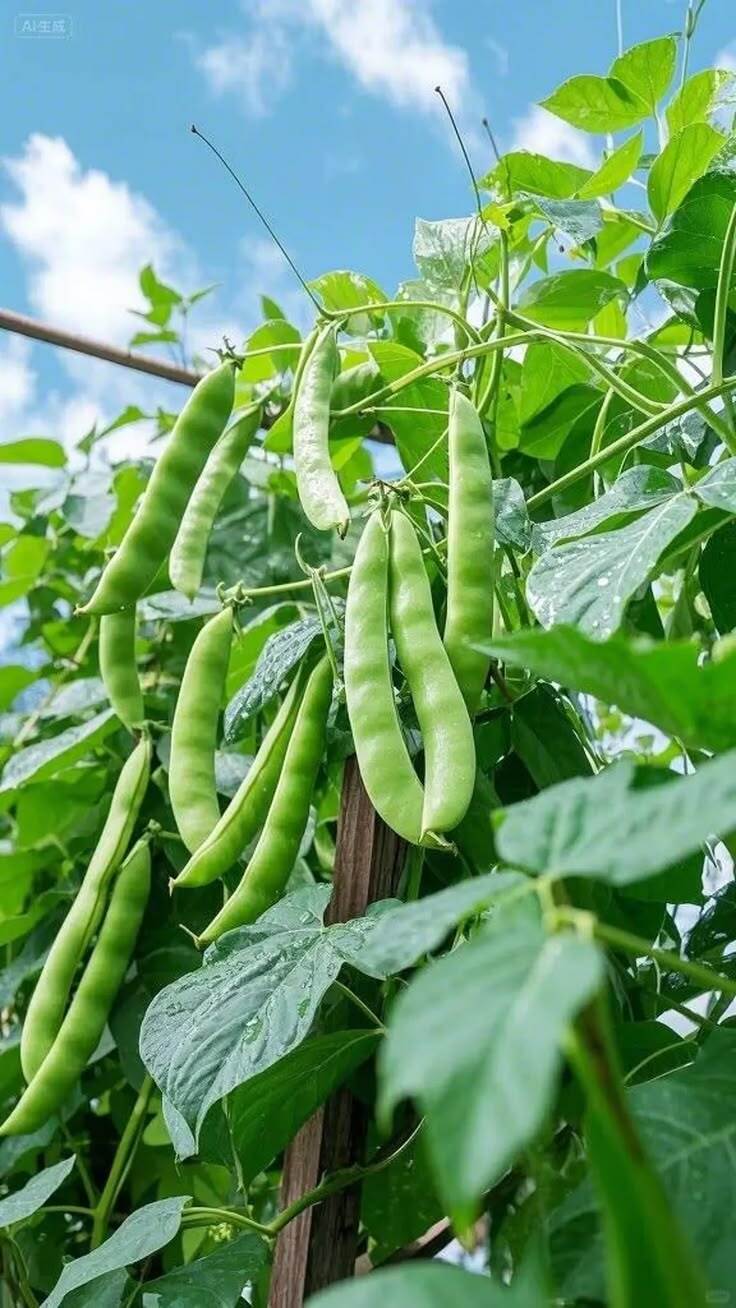
Kacang-kacangan refers to various legume plants commonly grown in tropical regions for food, ground cover, and ecological purposes. These plants are important components of sustainable tropical agriculture.
Legume crops are traditionally connected to local farming culture and sustainable food systems in Bali and Indonesia. They symbolize nourishment, productivity, and the relationship between humans and the land.
Legume plants help improve soil fertility through natural nitrogen fixation while supporting biodiversity and sustainable ecosystems.
Legumes are rich in protein, fiber, and nutrients and are widely consumed as part of healthy traditional diets.
Common Agricultural Plant Species


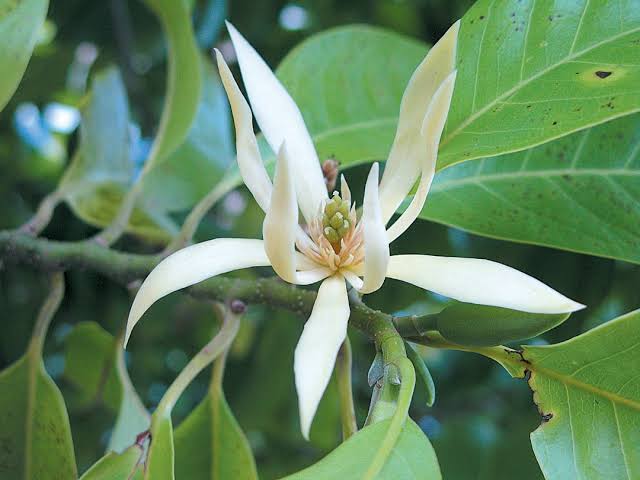
Cempaka is a fragrant tropical flowering tree admired for its beautiful blossoms and soothing aroma. The flower is widely appreciated across Bali for its elegance, spiritual symbolism, and calming natural fragrance.
Cempaka flowers are considered sacred in Balinese Hindu culture and are commonly used in temple offerings, prayer rituals, and traditional ceremonies. The flower symbolizes purity, sincerity, beauty, and spiritual devotion.
The fragrant flowers attract pollinators such as bees and butterflies, helping support the local ecosystem and biodiversity. Its dense foliage also contributes to natural shade and cooling in tropical gardens.
The natural fragrance of cempaka flowers is often associated with relaxation and aromatherapy. Traditionally, the flowers are used to create calming environments and are appreciated for their soothing scent during spiritual and wellness rituals.
Common Tropical Flowering Species
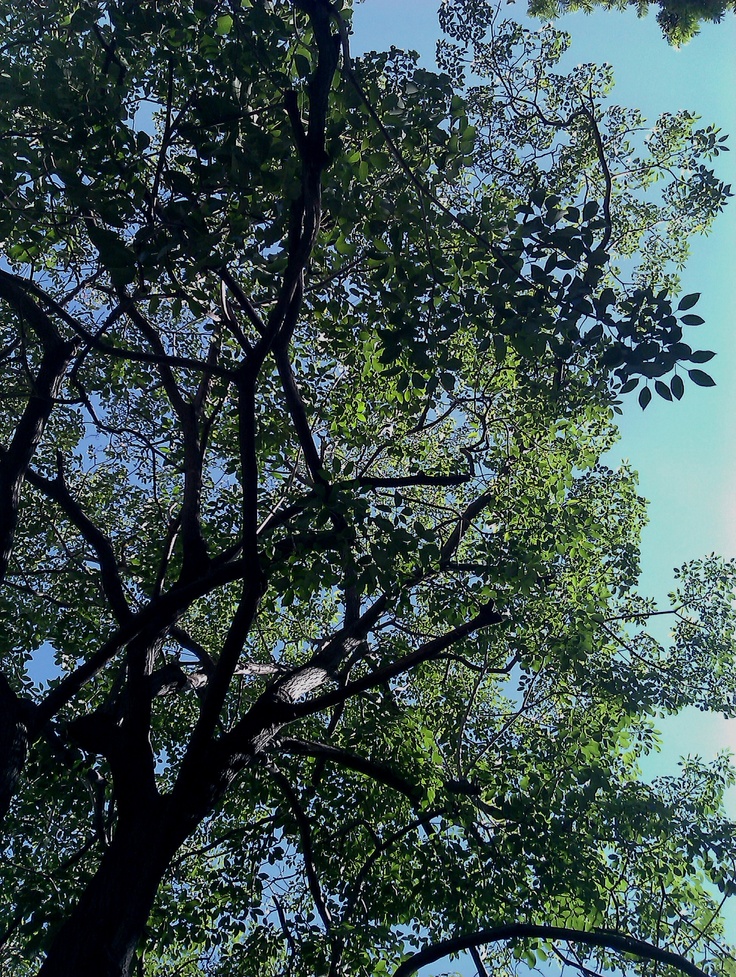
Sana is a large tropical shade tree known for its wide canopy and calming natural presence. Commonly found in tropical landscapes, the tree provides a cooling atmosphere and contributes to the lush greenery often associated with Bali’s natural environment.
Large tropical trees such as Sana are often associated with protection, balance, and harmony with nature in Balinese culture. Trees with expansive canopies are traditionally valued for creating peaceful communal spaces and natural gathering areas.
The tree provides significant shade, improves air quality, supports biodiversity, and creates habitat for birds and insects. Its broad canopy also helps reduce surrounding temperatures and maintain environmental humidity.
The calming natural shade created by the tree contributes to relaxation and wellness experiences within tropical landscapes. Large tropical trees also help create more comfortable outdoor environments for mindfulness and rest.
Common Tropical Shade Tree Species
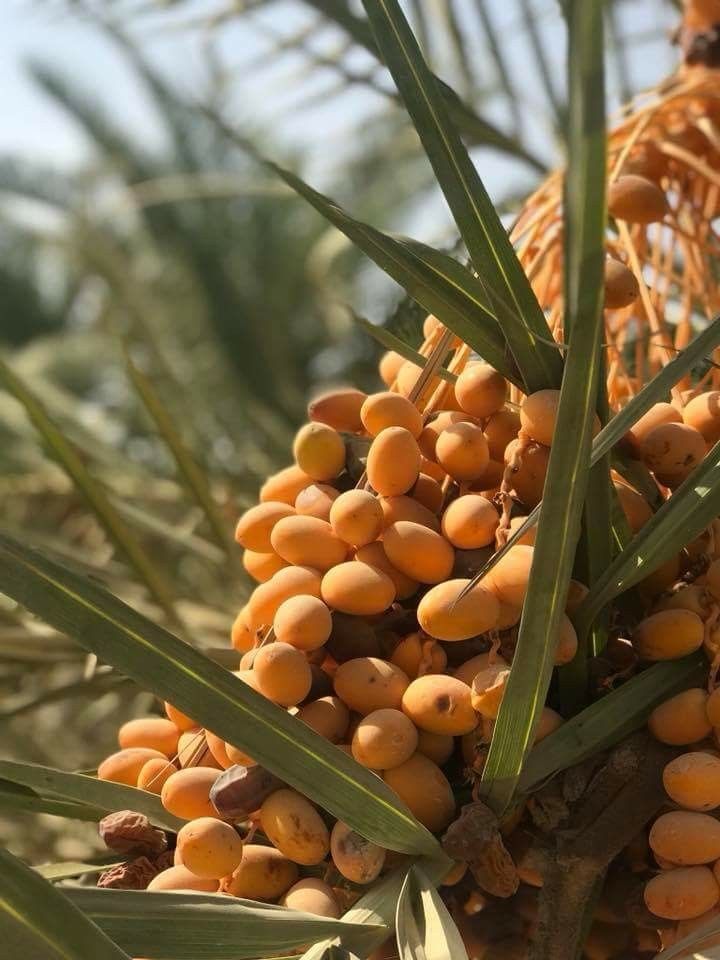
Palem Beregu is an elegant tropical palm known for its clustered stems and graceful green fronds. The plant is commonly used in tropical landscaping to create lush and relaxing resort environments.
Palm species are strongly connected with tropical beauty, hospitality, and harmony with nature in Balinese landscapes. Their elegant appearance helps create peaceful outdoor spaces.
The palm contributes to biodiversity, improves air quality, and enhances tropical humidity while supporting birds and small insects.
Palms help create calming tropical atmospheres associated with relaxation and wellness-oriented environments.
Common Tropical Ornamental Palm Species
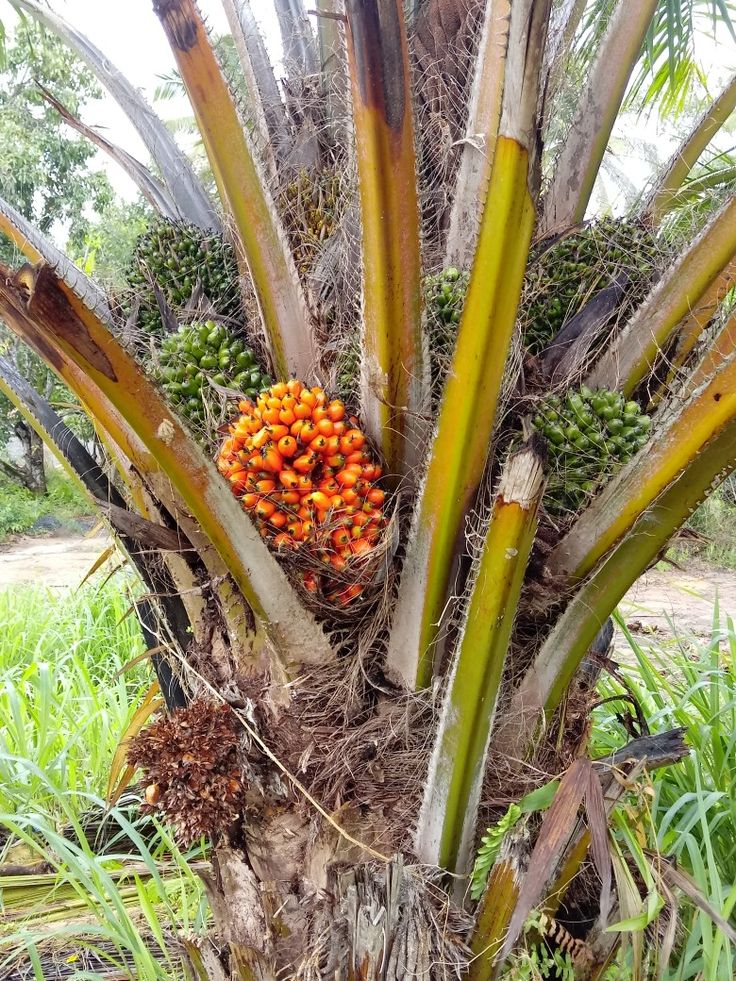
Oil palm is a tropical palm species widely cultivated in tropical regions for its highly valuable fruit and oil production. With its strong upright trunk and large feather-like leaves, the oil palm is well adapted to warm and humid climates such as Indonesia.
Although not traditionally sacred like coconut trees, palm species are often associated with tropical abundance, fertility, and prosperity in Indonesian culture. Palm vegetation also contributes to the lush tropical scenery commonly found throughout Bali.
Palm trees help create shaded environments, support biodiversity, and contribute to the tropical ecosystem. Their presence can also help reduce heat around landscaped resort areas and provide habitat for birds and insects.
Palm oil derivatives are widely used in soaps, cosmetics, candles, and wellness products. Various parts of the plant are also utilized in traditional and commercial industries across tropical regions.
Widely Cultivated Tropical Species
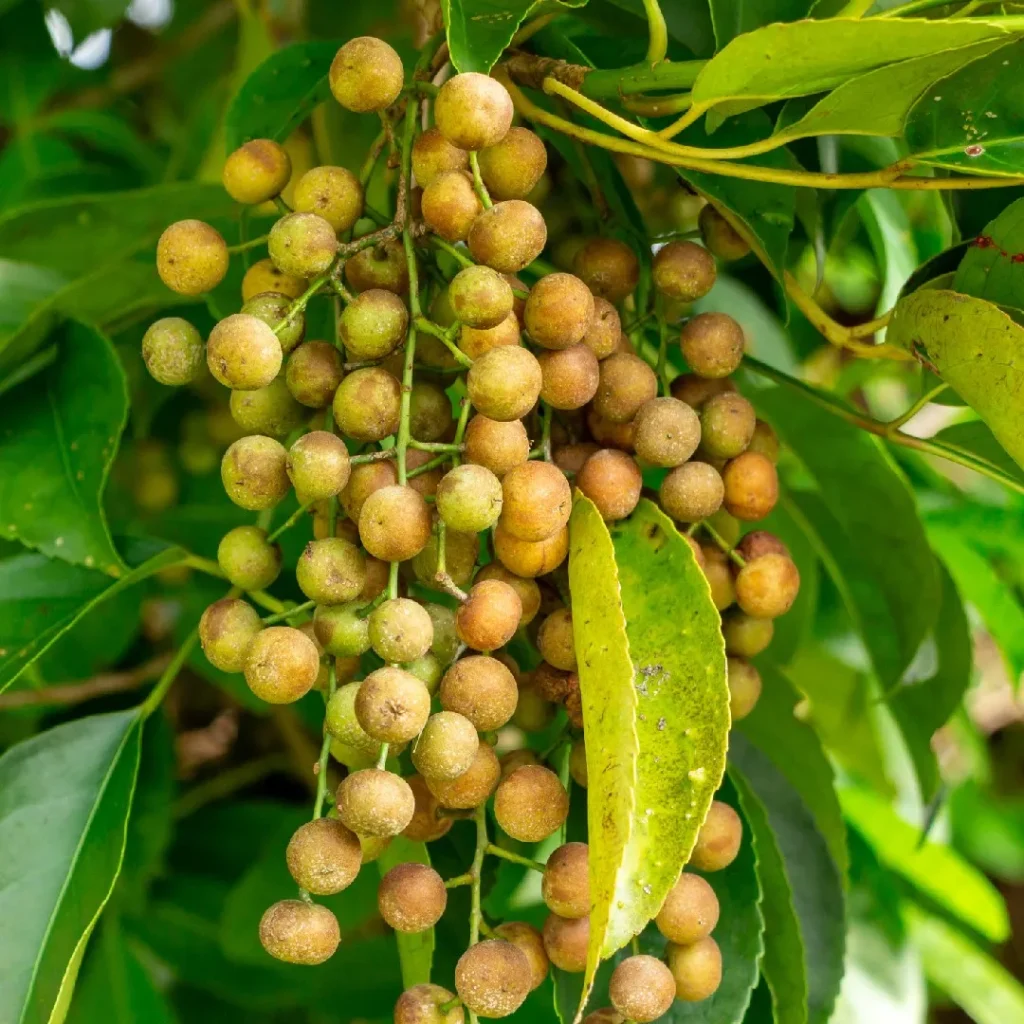
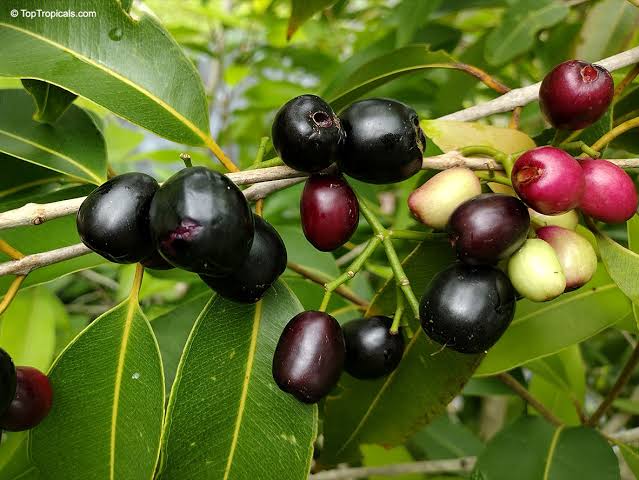
Boni is a tropical fruit-bearing tree admired for its dense canopy, glossy leaves, and dark purple fruit. The tree thrives in humid tropical climates and contributes to the richness of Bali’s natural vegetation.
Fruit trees are traditionally valued in Balinese culture as symbols of abundance, sustainability, and harmony with nature. Trees that provide food are often closely connected to traditional village life.
The tree provides habitat and food for birds and insects while helping maintain biodiversity and environmental balance within tropical ecosystems.
The fruit is traditionally appreciated for its nutritional value and is commonly consumed fresh. Various parts of the tree have also been associated with herbal and wellness practices in traditional communities.
Common Tropical Fruit Tree Species
We use cookies to enhance your browsing experience and provide personalized content. By clicking "Accept All", you consent to our use of cookies. You can customize your preferences anytime.