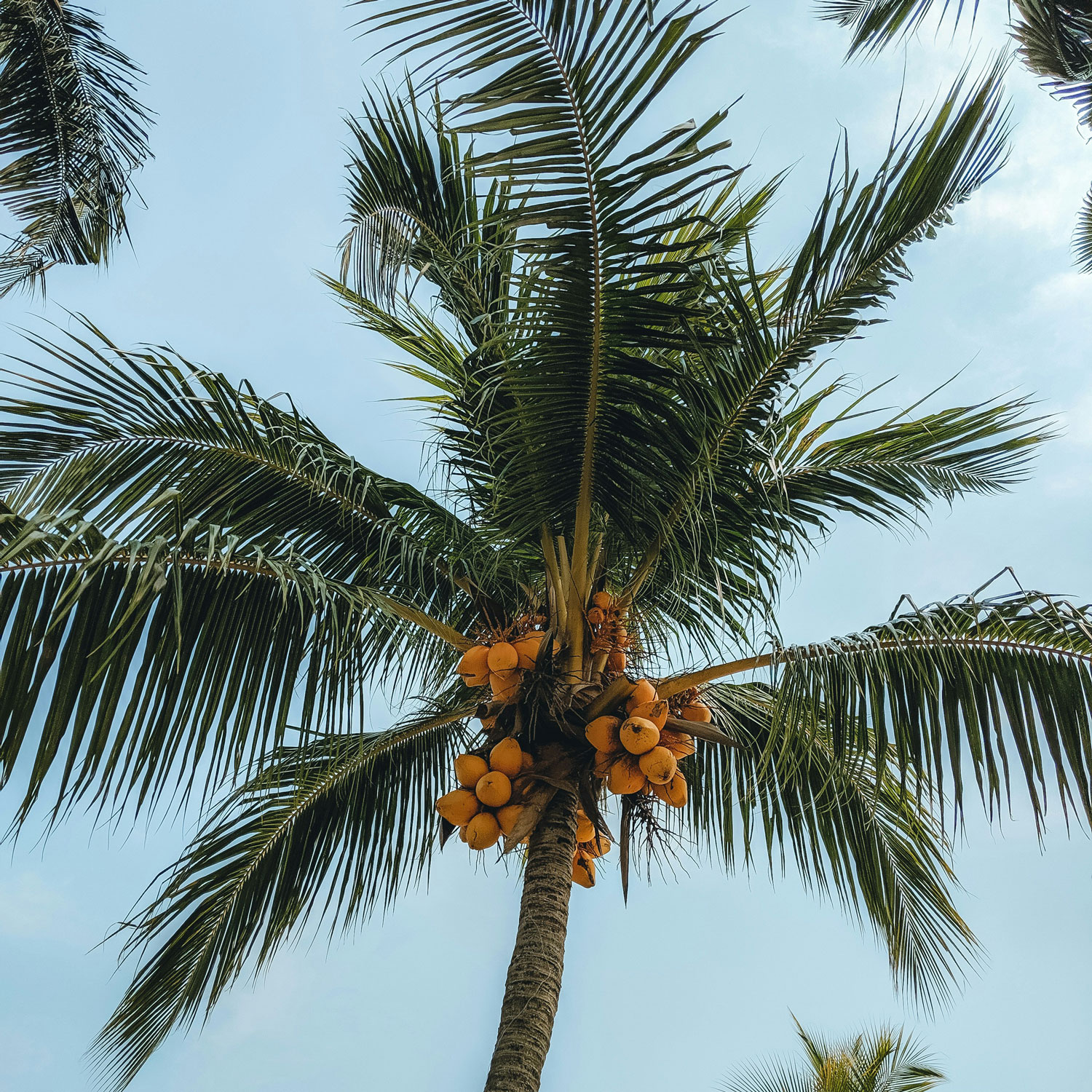
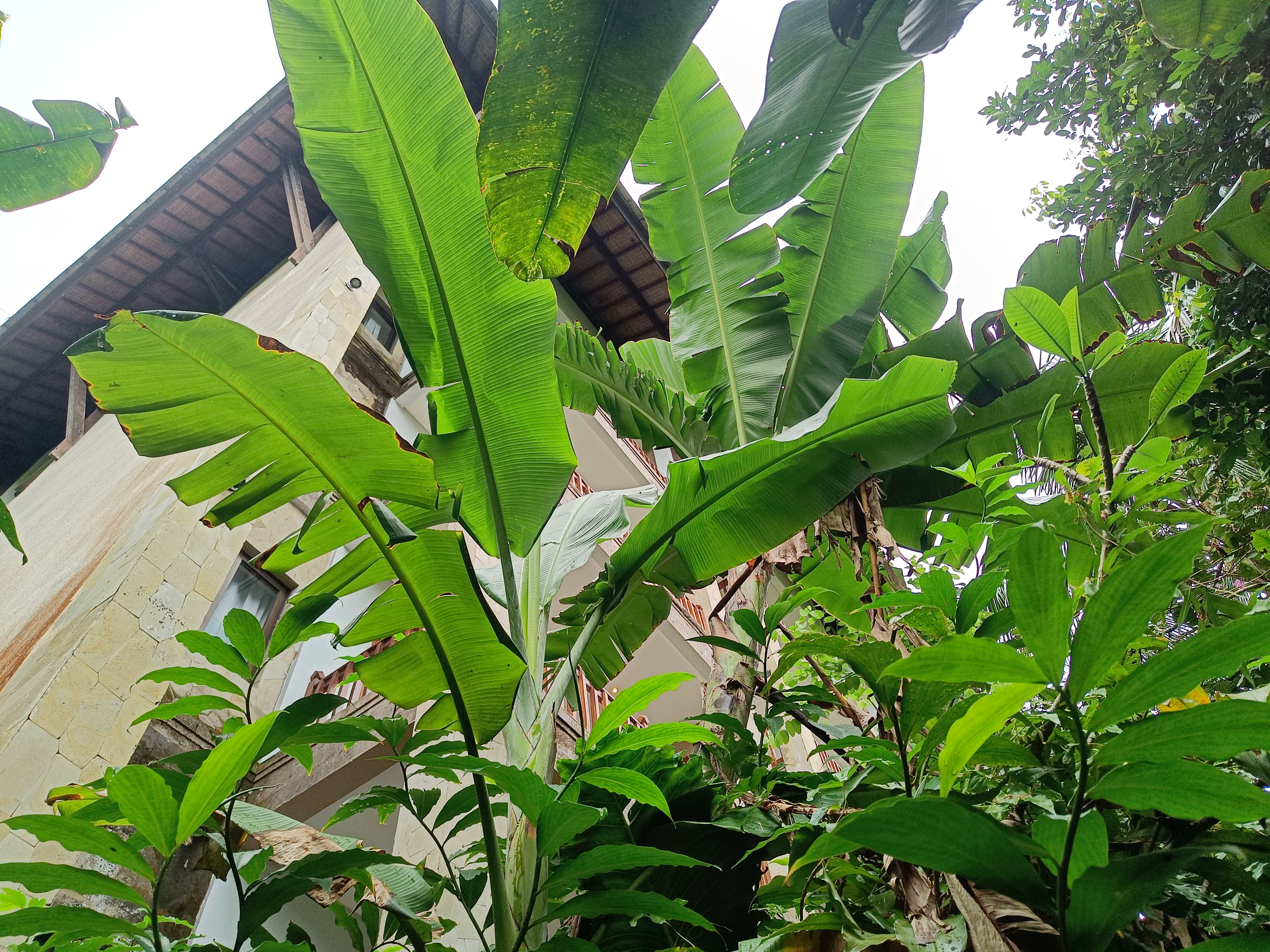
Cempaka is a fragrant tropical flowering tree admired for its beautiful blossoms and soothing aroma. The flower is widely appreciated across Bali for its elegance, spiritual symbolism, and calming natural fragrance.
Cempaka flowers are considered sacred in Balinese Hindu culture and are commonly used in temple offerings, prayer rituals, and traditional ceremonies. The flower symbolizes purity, sincerity, beauty, and spiritual devotion.
The fragrant flowers attract pollinators such as bees and butterflies, helping support the local ecosystem and biodiversity. Its dense foliage also contributes to natural shade and cooling in tropical gardens.
The natural fragrance of cempaka flowers is often associated with relaxation and aromatherapy. Traditionally, the flowers are used to create calming environments and are appreciated for their soothing scent during spiritual and wellness rituals.
Common Tropical Flowering Species
Kamboja is one of Bali’s most iconic tropical flowering trees, admired for its fragrant blossoms and elegant appearance. The flowers bloom in various colors and are strongly associated with the beauty and spirituality of Balinese culture.
Frangipani flowers are widely used in Balinese offerings, temple ceremonies, and traditional decorations. The flower symbolizes purity, spirituality, beauty, and devotion.
The fragrant flowers attract butterflies, bees, and pollinators, helping support biodiversity within tropical ecosystems. The tree also contributes to shade and natural landscaping beauty.
The soothing fragrance of Kamboja flowers is often associated with relaxation and wellness. The flowers are commonly used in spa decorations, aromatherapy settings, and traditional floral arrangements.
Common Tropical Sacred Flowering Tree
Maja is a tropical fruit tree known for its aromatic fruit and strong cultural significance across Southeast Asia. The tree grows well in warm climates and is appreciated for both its ornamental and traditional value.
Fruit-bearing trees are respected in Balinese culture as symbols of abundance, sustainability, and harmony with nature. Traditional fruit trees also reflect Bali’s agricultural heritage.
The tree supports biodiversity by attracting pollinators and providing habitat for birds and insects. Its canopy also contributes to environmental cooling.
The fruit and leaves have long been associated with traditional herbal practices and natural wellness preparations in Asia.
Traditional Tropical Fruit Tree Species
Kutat is a tropical coastal tree recognized for its heart-shaped leaves and soft yellow flowers that gradually change color throughout the day. The tree grows well in warm tropical climates and contributes to the lush greenery commonly found in Bali.
In Balinese culture, tropical flowering trees are often appreciated for their beauty and connection to nature. Trees such as Kutat symbolize harmony, protection, and the importance of preserving the natural balance of the environment.
Kutat trees help stabilize soil, provide natural shade, improve air quality, and support local biodiversity by attracting birds and pollinators. Their dense foliage also contributes to cooler tropical surroundings.
Various parts of the tree have traditionally been associated with herbal and natural uses in tropical communities. Its calming natural appearance also enhances relaxation and wellness-oriented environments.
Common Tropical Tree Species