Sea Mango

Local Name

Bintaro

Scientific Name

Cerbera odollam

Family

Apocynaceae

Description :

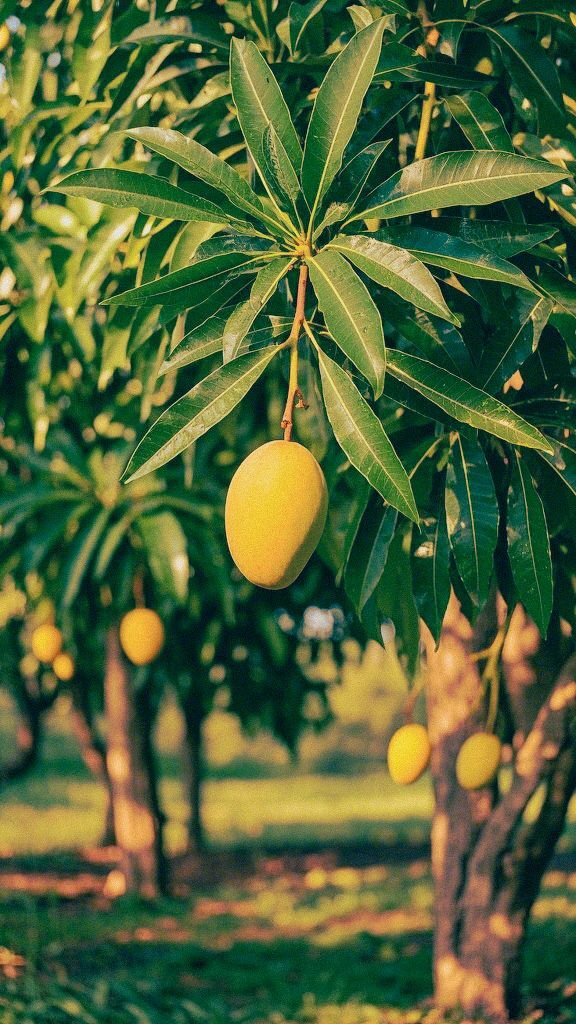
Bintaro is a tropical coastal tree known for its glossy leaves and distinctive green fruits. The tree is widely planted as an ornamental species in tropical landscapes due to its elegant appearance and strong adaptability.

Cultural Meaning (Bali) :

Large tropical trees are appreciated in Balinese landscapes for their beauty, shade, and connection to nature. Bintaro contributes to the lush tropical identity commonly associated with Bali.

Ecological Importance :

The tree provides shade, improves air quality, and supports tropical biodiversity by creating habitat for birds and insects.

Wellness / Traditional Benefits :

Although the tree is mainly ornamental, tropical greenery such as Bintaro contributes to relaxing natural environments that support wellness and mindfulness experiences.

Interesting Facts :

  • Bintaro trees are highly tolerant of tropical coastal conditions.
  • The fruits resemble small mangoes, giving rise to the name “Sea Mango.”
  • The tree is commonly planted along roadsides and parks in tropical regions.
  • Bintaro has attractive glossy foliage year-round.

Conservation Status :

Common Tropical Ornamental Tree Species

Local Name

Latin Name

English Name

Bali Name

Type

Other Flora

Kusum Tree

A native forest tree that supports the natural ecosystem of the surrounding jungle.
See Detail

Maja Fruit

Description :

Maja is a tropical fruit tree known for its aromatic fruit and strong cultural significance across Southeast Asia. The tree grows well in warm climates and is appreciated for both its ornamental and traditional value.

Cultural Meaning (Bali) :

Fruit-bearing trees are respected in Balinese culture as symbols of abundance, sustainability, and harmony with nature. Traditional fruit trees also reflect Bali’s agricultural heritage.

Ecological Importance :

The tree supports biodiversity by attracting pollinators and providing habitat for birds and insects. Its canopy also contributes to environmental cooling.

Wellness / Traditional Benefits :

The fruit and leaves have long been associated with traditional herbal practices and natural wellness preparations in Asia.

Interesting Facts :

  • The fruit has a hard outer shell and aromatic pulp.
  • Maja trees are highly resilient in tropical climates.
  • The fruit has been traditionally valued for centuries.
  • The tree produces fragrant flowers and attractive foliage.

Conservation Status :

Traditional Tropical Fruit Tree Species

See Detail

Indian Cherry Tree

A traditional fruit tree that contributes to the biodiversity of the resort.
See Detail

Tabebuia Tree

Description :

Tabebuya is a beautiful flowering tree admired for its vibrant blossoms that bloom seasonally in shades of pink, yellow, white, or purple. The tree creates a spectacular visual display and enhances the beauty of tropical landscapes.

Cultural Meaning (Bali) :

Flowering trees are appreciated in Balinese landscapes for symbolizing beauty, renewal, and harmony with nature. Seasonal blooming trees help create uplifting and inspiring outdoor environments.

Ecological Importance :

Tabebuya flowers attract bees, butterflies, and pollinators that support biodiversity and ecological balance within tropical ecosystems.

Wellness / Traditional Benefits :

The colorful blossoms and natural beauty of Tabebuya trees help create calming outdoor spaces that support relaxation, mindfulness, and wellness-oriented experiences.

Interesting Facts :

  • Tabebuya trees often bloom dramatically when the branches are nearly leafless.
  • The blooming season creates stunning colorful landscapes.
  • The flowers resemble trumpet shapes.
  • Tabebuya trees are sometimes compared to Japanese cherry blossoms because of their seasonal beauty.

Conservation Status :

Common Tropical Ornamental Flowering Tree Species

See Detail

Whitewort Plant

A traditional herbal plant used in local remedies.
See Detail

Tropical Almond Tree

Description :

Ketapang is a large tropical shade tree recognized for its broad layered branches and seasonal color-changing leaves. The tree is widely planted in tropical landscapes for shade and environmental cooling.

Cultural Meaning (Bali) :

Shade trees such as Ketapang are valued in Balinese culture for creating peaceful communal spaces and maintaining harmony with the natural environment.

Ecological Importance :

Ketapang trees provide extensive shade, help reduce heat, improve air quality, and support habitats for birds and insects. Their fallen leaves also contribute nutrients back into the soil ecosystem.

Wellness / Traditional Benefits :

The calming shade and natural beauty of Ketapang trees help create relaxing outdoor spaces that support wellness and mindfulness experiences.

Interesting Facts :

  • Ketapang leaves change color before falling, similar to seasonal trees.
  • The tree can grow very wide and provide extensive shade.
  • The seeds are edible and resemble almonds.
  • Ketapang trees are commonly planted along tropical beaches and parks.

Conservation Status :

Common Tropical Shade Tree Species

See Detail