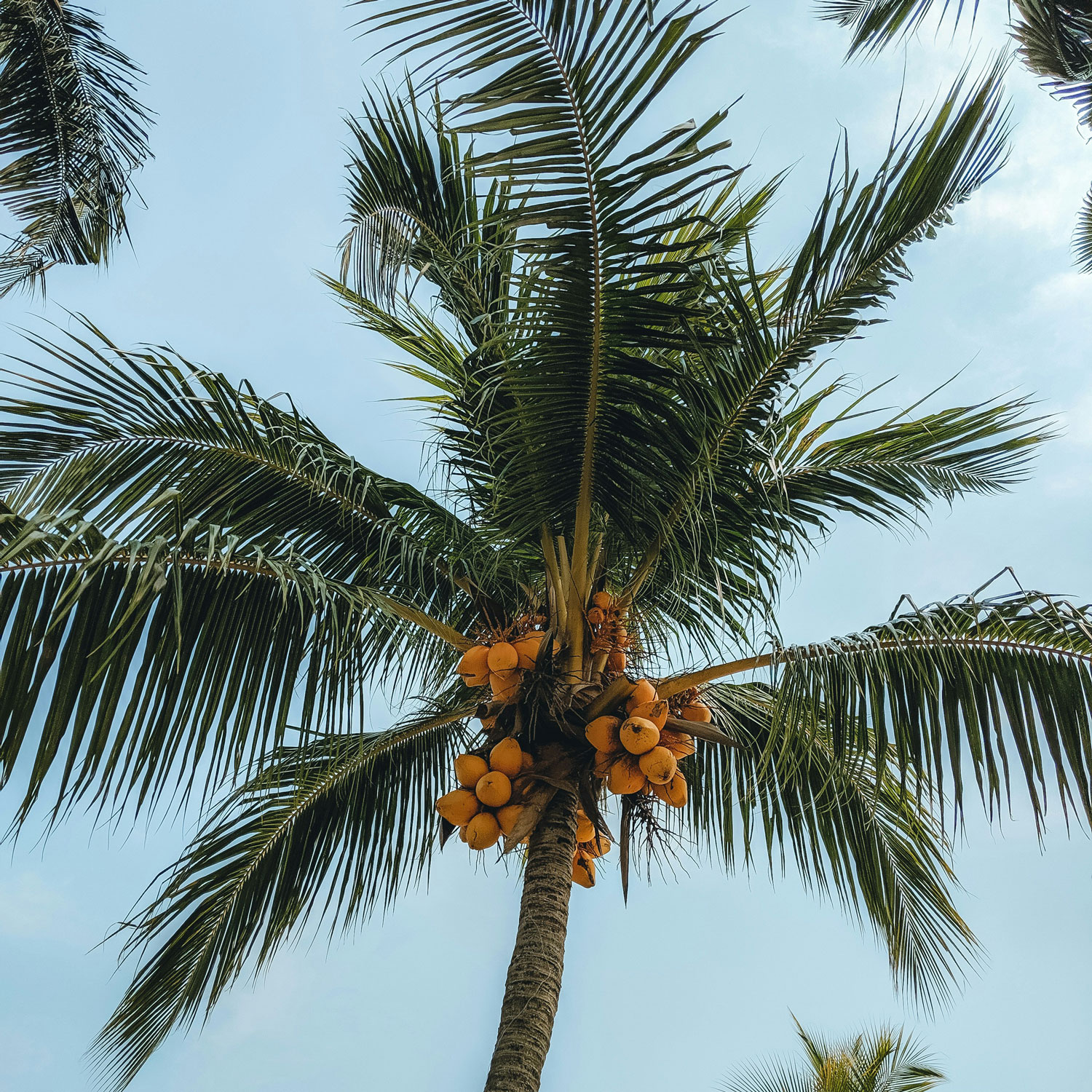
A native forest tree that supports the natural ecosystem of the surrounding jungle.
Sana is a large tropical shade tree known for its wide canopy and calming natural presence. Commonly found in tropical landscapes, the tree provides a cooling atmosphere and contributes to the lush greenery often associated with Bali’s natural environment.
Large tropical trees such as Sana are often associated with protection, balance, and harmony with nature in Balinese culture. Trees with expansive canopies are traditionally valued for creating peaceful communal spaces and natural gathering areas.
The tree provides significant shade, improves air quality, supports biodiversity, and creates habitat for birds and insects. Its broad canopy also helps reduce surrounding temperatures and maintain environmental humidity.
The calming natural shade created by the tree contributes to relaxation and wellness experiences within tropical landscapes. Large tropical trees also help create more comfortable outdoor environments for mindfulness and rest.
Common Tropical Shade Tree Species
Kacang-kacangan refers to various legume plants commonly grown in tropical regions for food, ground cover, and ecological purposes. These plants are important components of sustainable tropical agriculture.
Legume crops are traditionally connected to local farming culture and sustainable food systems in Bali and Indonesia. They symbolize nourishment, productivity, and the relationship between humans and the land.
Legume plants help improve soil fertility through natural nitrogen fixation while supporting biodiversity and sustainable ecosystems.
Legumes are rich in protein, fiber, and nutrients and are widely consumed as part of healthy traditional diets.
Common Agricultural Plant Species
Palem Kipas is a tropical ornamental palm admired for its large fan-shaped leaves and elegant appearance. The plant is commonly used in tropical landscaping to create lush, shaded, and visually striking garden environments.
Palm species are closely associated with tropical beauty, harmony, and hospitality in Balinese landscapes. The symmetrical fan-like leaves symbolize balance and natural elegance within tropical garden settings.
Fan palms contribute to biodiversity, improve air quality, and help maintain tropical humidity. Their broad leaves also provide shelter for small insects and contribute to cooler outdoor environments.
The calming visual appearance of Palem Kipas helps create peaceful and relaxing tropical spaces often associated with wellness and mindfulness experiences.
Common Tropical Ornamental Palm Species