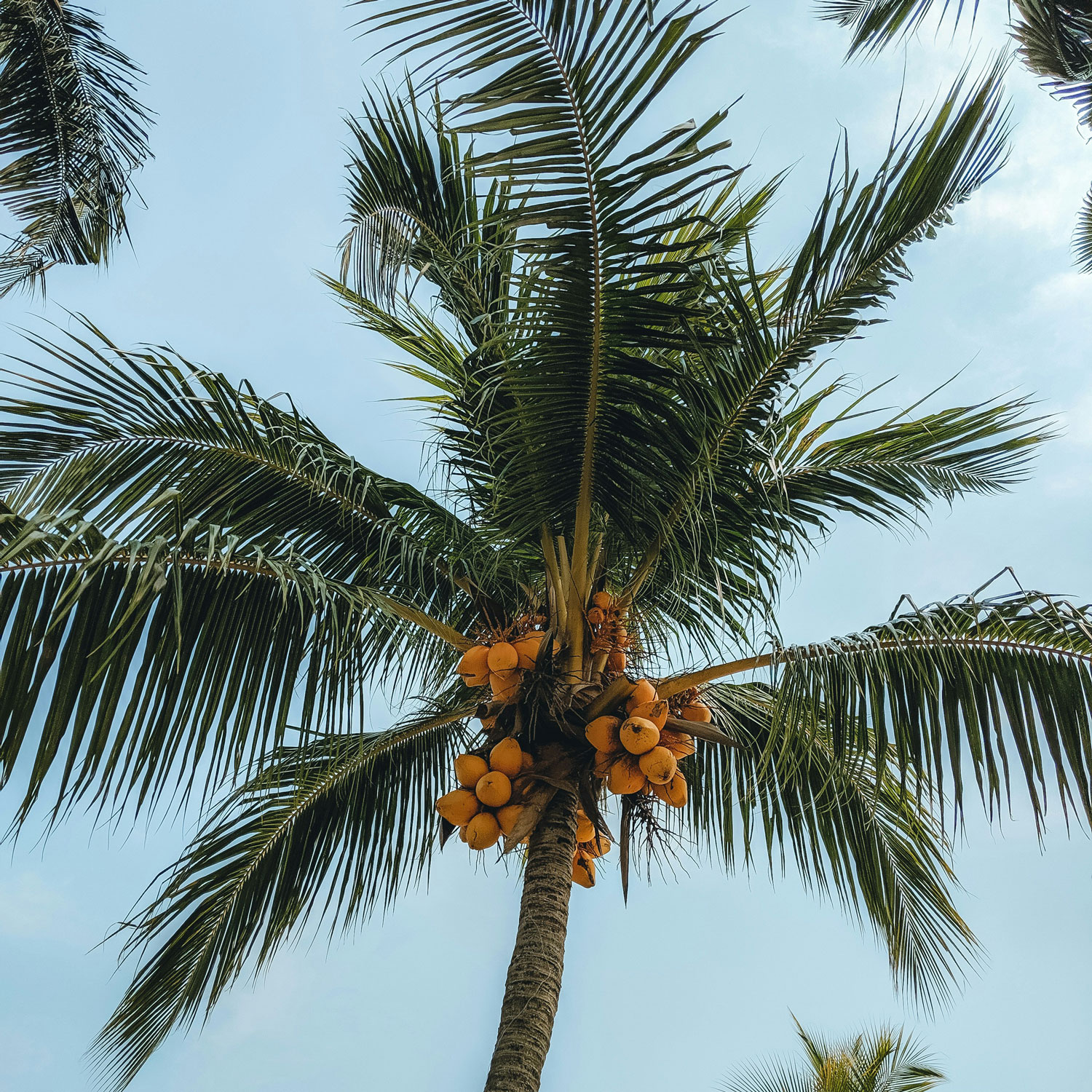
Bintaro is a tropical coastal tree known for its glossy leaves and distinctive green fruits. The tree is widely planted as an ornamental species in tropical landscapes due to its elegant appearance and strong adaptability.
Large tropical trees are appreciated in Balinese landscapes for their beauty, shade, and connection to nature. Bintaro contributes to the lush tropical identity commonly associated with Bali.
The tree provides shade, improves air quality, and supports tropical biodiversity by creating habitat for birds and insects.
Although the tree is mainly ornamental, tropical greenery such as Bintaro contributes to relaxing natural environments that support wellness and mindfulness experiences.
Common Tropical Ornamental Tree Species
Lemputu is a tropical tree species commonly found in lush Balinese environments and traditional landscapes. The tree contributes to the rich biodiversity and natural beauty of tropical ecosystems around Ubud.
Native tropical trees are traditionally respected in Balinese culture as important elements of environmental harmony and spiritual balance. Trees play an essential role in preserving the natural connection between humans and nature.
The tree supports biodiversity by providing shade, oxygen production, and habitat for birds, insects, and other tropical wildlife. It also contributes to maintaining a cooler and healthier environment.
Large tropical trees help create peaceful natural surroundings that support relaxation, mindfulness, and wellness-oriented experiences in tropical resort settings.
Common Tropical Tree Species / Further Botanical Identification Recommended
Kutat is a tropical coastal tree recognized for its heart-shaped leaves and soft yellow flowers that gradually change color throughout the day. The tree grows well in warm tropical climates and contributes to the lush greenery commonly found in Bali.
In Balinese culture, tropical flowering trees are often appreciated for their beauty and connection to nature. Trees such as Kutat symbolize harmony, protection, and the importance of preserving the natural balance of the environment.
Kutat trees help stabilize soil, provide natural shade, improve air quality, and support local biodiversity by attracting birds and pollinators. Their dense foliage also contributes to cooler tropical surroundings.
Various parts of the tree have traditionally been associated with herbal and natural uses in tropical communities. Its calming natural appearance also enhances relaxation and wellness-oriented environments.
Common Tropical Tree Species
Heliconia is a striking tropical ornamental plant recognized for its colorful hanging flowers and lush foliage. Its dramatic appearance adds vibrant beauty to tropical gardens and resort landscapes.
Colorful tropical plants are appreciated in Balinese landscaping for creating harmony, beauty, and a welcoming natural environment. Ornamental flowers symbolize tropical vitality and elegance.
Heliconia flowers attract pollinators such as birds, butterflies, and insects, helping support biodiversity within tropical ecosystems.
The plant’s vibrant appearance contributes to uplifting and calming tropical environments that support relaxation and wellness experiences.
Common Tropical Ornamental Plant Species
Pisang is a tropical fruit-bearing plant widely cultivated throughout Bali and Indonesia. Known for its broad green leaves and nutritious fruit, the banana plant plays an important role in tropical agriculture, culinary traditions, and cultural practices.
Banana leaves and fruits are commonly used in Balinese offerings, ceremonies, and traditional food presentation. The plant symbolizes abundance, prosperity, and the strong relationship between nature and daily life.
Banana plants help maintain soil moisture, support biodiversity, and contribute to the lush greenery of tropical ecosystems. Their large leaves also help create cooler surrounding environments.
Bananas are rich in nutrients and are widely consumed as part of healthy tropical diets. Banana leaves are also traditionally used as natural food wrappers and serving materials.
Common Tropical Fruit Plant Species
Dadap is a tropical flowering tree recognized for its striking red blossoms and distinctive branching structure. The tree is commonly planted in tropical regions for shade, landscaping, and environmental purposes.
Trees with vibrant flowers are often appreciated in Balinese culture for symbolizing energy, vitality, and the beauty of nature. Dadap trees also contribute to the tropical identity of Balinese landscapes.
Dadap trees support biodiversity by attracting birds, bees, and butterflies with their bright flowers. The tree also helps improve soil fertility through natural nitrogen fixation.
In traditional communities, parts of the Dadap tree have been associated with natural herbal uses and environmental cooling benefits through its broad canopy.
Common Tropical Flowering Tree Species