Bignay Tree

Local Name

Boni

Scientific Name

Antidesma bunius

Family

A fruit-bearing forest tree that attracts birds and small wildlife.

Local Name

Latin Name

English Name

Bali Name

Type

Other Flora

Java Plum

Description :

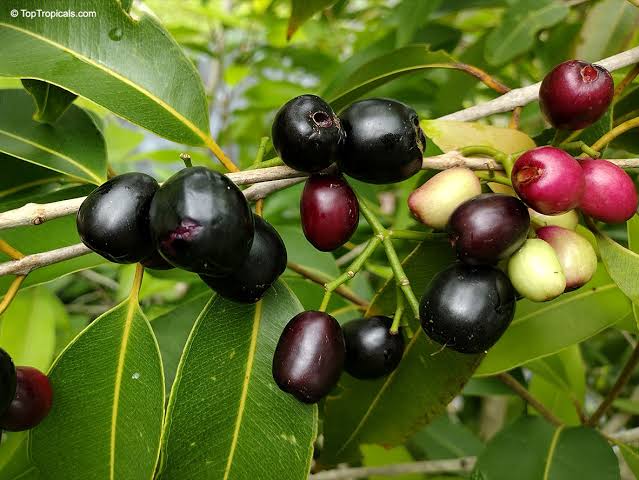
Boni is a tropical fruit-bearing tree admired for its dense canopy, glossy leaves, and dark purple fruit. The tree thrives in humid tropical climates and contributes to the richness of Bali’s natural vegetation.

Cultural Meaning (Bali) :

Fruit trees are traditionally valued in Balinese culture as symbols of abundance, sustainability, and harmony with nature. Trees that provide food are often closely connected to traditional village life.

Ecological Importance :

The tree provides habitat and food for birds and insects while helping maintain biodiversity and environmental balance within tropical ecosystems.

Wellness / Traditional Benefits :

The fruit is traditionally appreciated for its nutritional value and is commonly consumed fresh. Various parts of the tree have also been associated with herbal and wellness practices in traditional communities.

Interesting Facts :

  • Boni fruit changes color from green to deep purple when ripe.
  • The tree can grow quite large in tropical climates.
  • Its fruits are enjoyed by both humans and wildlife.
  • The tree provides dense natural shade.

Conservation Status :

Common Tropical Fruit Tree Species

See Detail

Legume Plants

Description :

Kacang-kacangan refers to various legume plants commonly grown in tropical regions for food, ground cover, and ecological purposes. These plants are important components of sustainable tropical agriculture.

Cultural Meaning (Bali) :

Legume crops are traditionally connected to local farming culture and sustainable food systems in Bali and Indonesia. They symbolize nourishment, productivity, and the relationship between humans and the land.

Ecological Importance :

Legume plants help improve soil fertility through natural nitrogen fixation while supporting biodiversity and sustainable ecosystems.

Wellness / Traditional Benefits :

Legumes are rich in protein, fiber, and nutrients and are widely consumed as part of healthy traditional diets.

Interesting Facts :

  • Legume plants naturally enrich soil quality.
  • Many tropical legumes grow quickly and easily.
  • Legumes are important food sources worldwide.
  • The Fabaceae family is one of the largest plant families on Earth.

Conservation Status :

Common Agricultural Plant Species

See Detail

Glue Berry

Description :

Kendal is a tropical shade tree known for its tall structure, broad canopy, and ability to thrive in warm climates. The tree contributes to the natural beauty and cooling atmosphere of tropical landscapes.

Cultural Meaning (Bali) :

Large tropical trees are traditionally valued in Balinese culture for providing protection, harmony, and a connection to the natural environment. Trees with strong canopies often symbolize stability and balance.

Ecological Importance :

Kendal trees provide shade, help reduce surrounding temperatures, improve air quality, and support habitats for birds and insects within tropical ecosystems.

Wellness / Traditional Benefits :

The cooling shade and greenery created by large tropical trees help support relaxation and create peaceful wellness-oriented outdoor spaces.

Interesting Facts :

  • Kendal trees can grow quite tall in tropical environments.
  • Their broad canopy creates naturally shaded spaces.
  • Large tropical trees help maintain humidity and cooler air temperatures.
  • Shade trees are essential elements in Balinese tropical landscapes.

Conservation Status :

Common Tropical Shade Tree Species

See Detail

Whitewort Plant

A traditional herbal plant used in local remedies.
See Detail

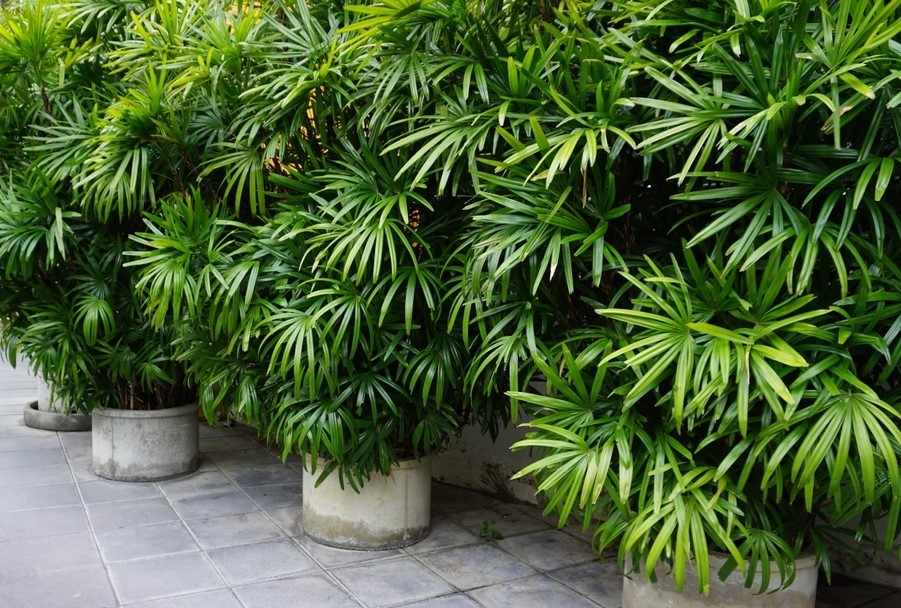
Fan Palm

Description :

Palem Kipas is a tropical ornamental palm admired for its large fan-shaped leaves and elegant appearance. The plant is commonly used in tropical landscaping to create lush, shaded, and visually striking garden environments.

Cultural Meaning (Bali) :

Palm species are closely associated with tropical beauty, harmony, and hospitality in Balinese landscapes. The symmetrical fan-like leaves symbolize balance and natural elegance within tropical garden settings.

Ecological Importance :

Fan palms contribute to biodiversity, improve air quality, and help maintain tropical humidity. Their broad leaves also provide shelter for small insects and contribute to cooler outdoor environments.

Wellness / Traditional Benefits :

The calming visual appearance of Palem Kipas helps create peaceful and relaxing tropical spaces often associated with wellness and mindfulness experiences.

Interesting Facts :

  • The leaves can grow in nearly perfect circular fan shapes.
  • Fan palms are popular ornamental plants in tropical resorts and botanical gardens.
  • The plant thrives in warm and humid environments.
  • Its unique leaf shape creates dramatic tropical visual appeal.

Conservation Status :

Common Tropical Ornamental Palm Species

See Detail

Tabebuia Tree

Description :

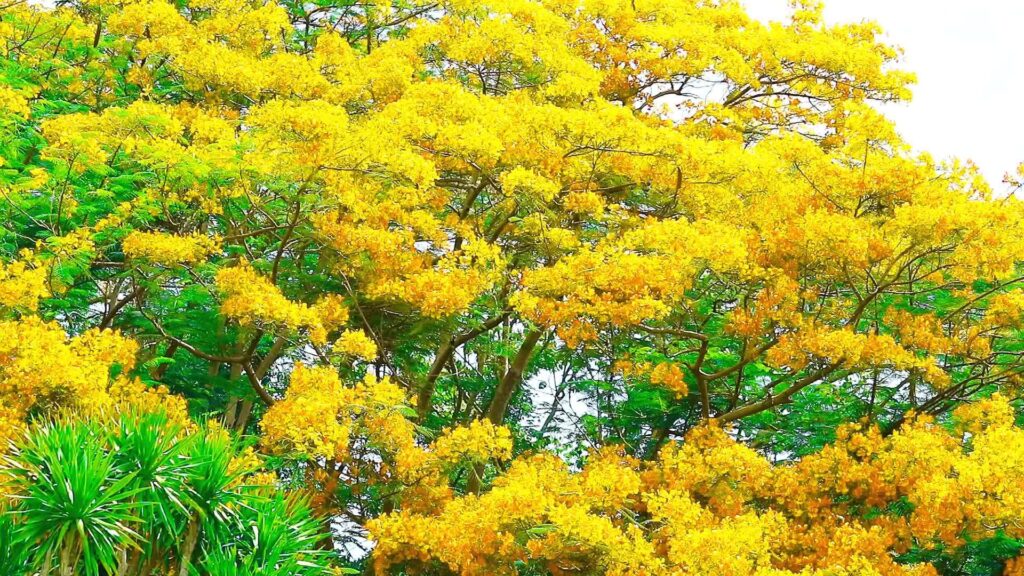
Tabebuya is a beautiful flowering tree admired for its vibrant blossoms that bloom seasonally in shades of pink, yellow, white, or purple. The tree creates a spectacular visual display and enhances the beauty of tropical landscapes.

Cultural Meaning (Bali) :

Flowering trees are appreciated in Balinese landscapes for symbolizing beauty, renewal, and harmony with nature. Seasonal blooming trees help create uplifting and inspiring outdoor environments.

Ecological Importance :

Tabebuya flowers attract bees, butterflies, and pollinators that support biodiversity and ecological balance within tropical ecosystems.

Wellness / Traditional Benefits :

The colorful blossoms and natural beauty of Tabebuya trees help create calming outdoor spaces that support relaxation, mindfulness, and wellness-oriented experiences.

Interesting Facts :

  • Tabebuya trees often bloom dramatically when the branches are nearly leafless.
  • The blooming season creates stunning colorful landscapes.
  • The flowers resemble trumpet shapes.
  • Tabebuya trees are sometimes compared to Japanese cherry blossoms because of their seasonal beauty.

Conservation Status :

Common Tropical Ornamental Flowering Tree Species

See Detail