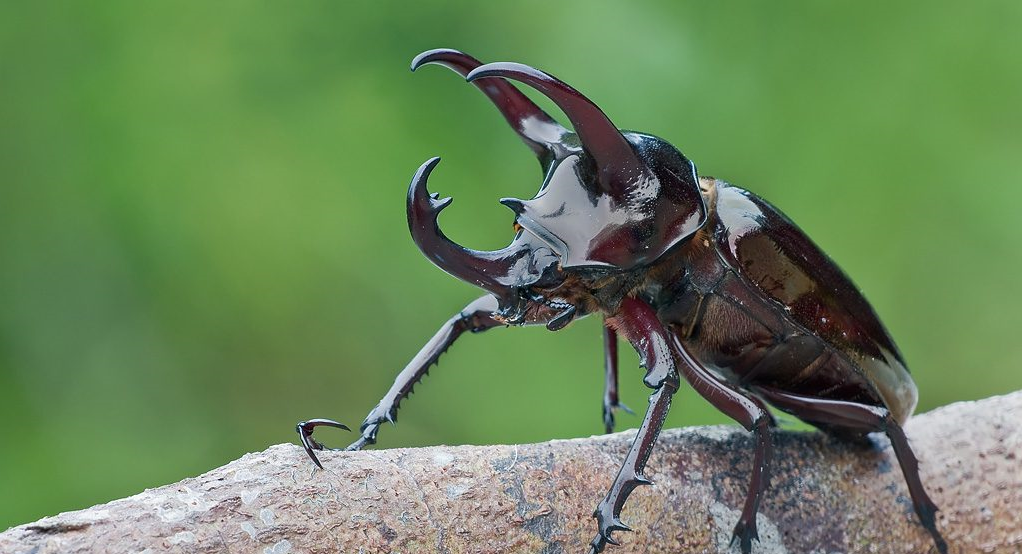
Rhinoceros Beetle

Local Name

Kumbang Tanduk

Scientific Name

Oryctes rhinoceros

Family

Scarabaeidae

Local Name

Latin Name

English Name

Bali Name

Type

Other Fauna

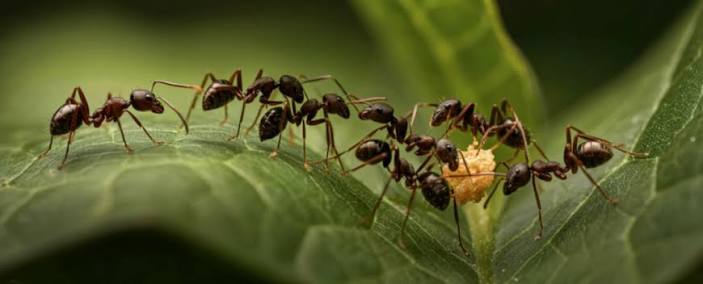
Ant

Ants are highly social insects belonging to the family Formicidae, living in organized colonies with specialized roles such as workers, soldiers, and queens. Known for their incredible strength relative to their size, communication via chemical scents (pheromones), and complex nest building, ants feed on honeydew, nectar, seeds, and small insects. They play a vital ecological role in Bali’s tropical gardens and natural landscapes as soil aerators, decomposers, and seed dispersers.
See Detail

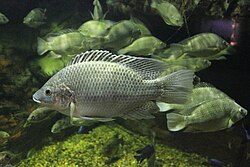
Mozambique Tilapia

The Mozambique Tilapia is a freshwater fish native to southeastern Africa, widely introduced to tropical regions including Bali. Characterized by its dull greyish-green coloration and high adaptability to various aquatic environments, it feeds primarily on algae, aquatic plants, and detritus. Widely cultivated in Balinese aquaculture and freshwater ponds, it serves as a popular and essential local food source.
See Detail

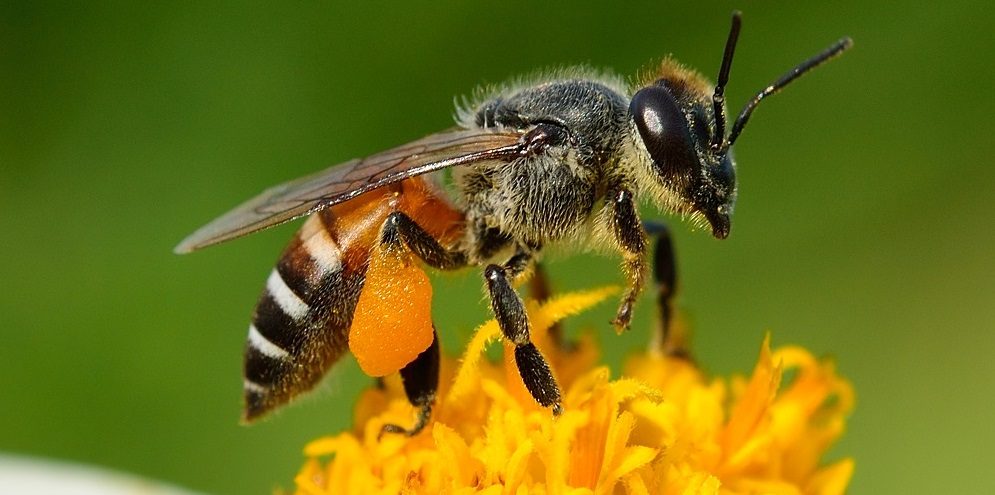
Honey Bee

See Detail

Pigeon

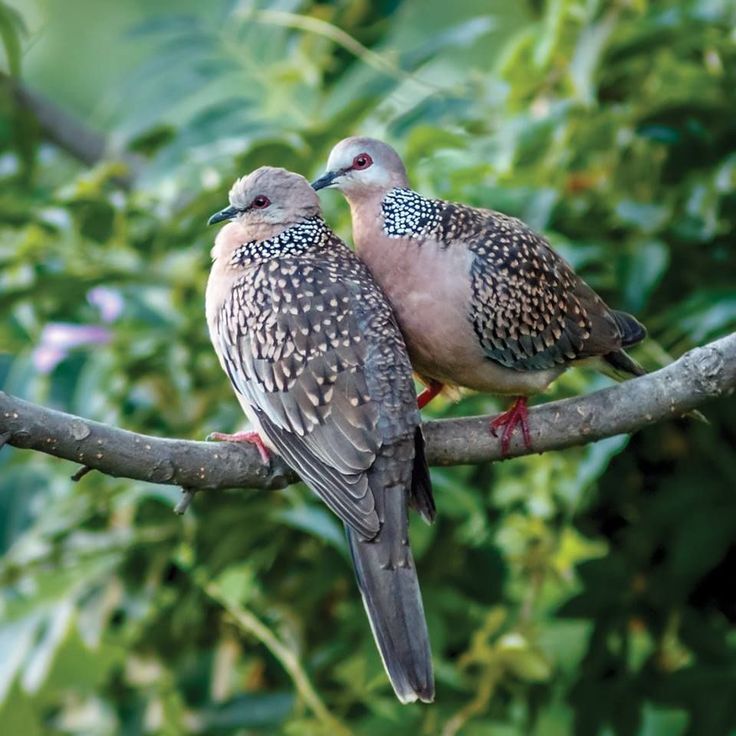
The pigeon is a stout-bodied bird with a short neck and short, slender bill, belonging to the family Columbidae. Well-adapted to both natural environments and urban settings, pigeons feed primarily on seeds, grains, and fruits. Recognized as a global symbol of peace and love, these gentle birds are known for their exceptional navigation abilities, strong homing instincts, and distinctive cooing calls.
See Detail

Lightning Bug

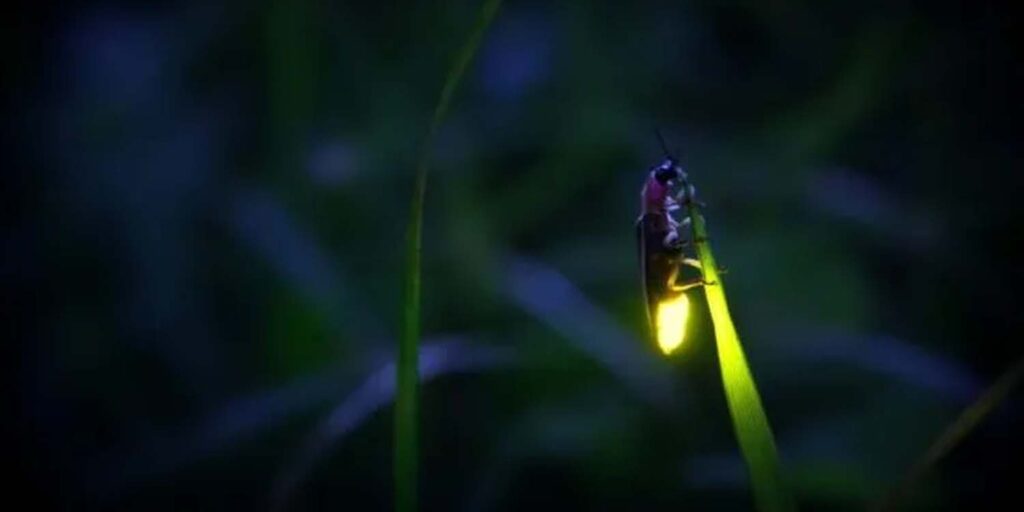
Fireflies are soft-bodied beetles belonging to the family Lampyridae, famous for their ability to produce bioluminescent light from their lower abdomen. This chemical light is primarily used to attract mates and communicate with other individuals. Thriving in warm, humid tropical environments with clean water sources and dense vegetation, fireflies feed on nectar or smaller soft-bodied insects. In Bali, their glowing presence in rice fields and gardens serves as a natural indicator of a healthy, unpolluted ecosystem.
See Detail

Garden Lizard

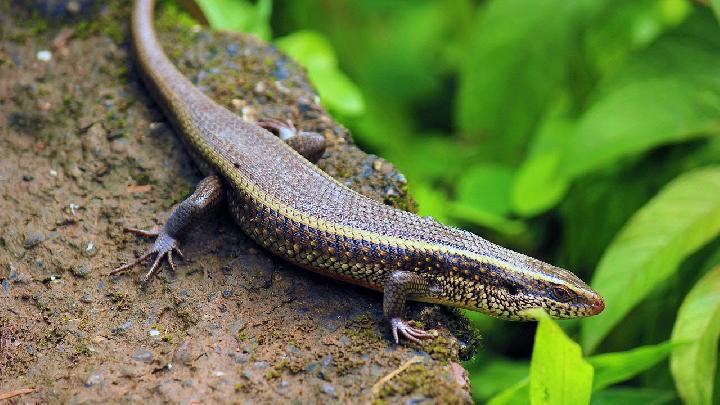
Lizards are scaled, cold-blooded reptiles characterized by long bodies, four agile legs, and typically a long tail that can detach as a defense mechanism against predators. Active during the day (diurnal), they bask in the sun to regulate their body temperature and feed primarily on insects, spiders, and small invertebrates. Agile and alert, lizards are a common sight darting through tropical gardens, stone walls, and natural landscapes across Bali, playing an important role in controlling local insect populations.
See Detail