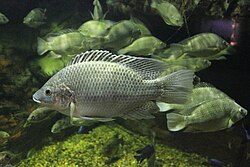
Mozambique Tilapia

Local Name

Ikan Mujair

Scientific Name

Oreochromis mossambicus

Family

Cichlidae

The Mozambique Tilapia is a freshwater fish native to southeastern Africa, widely introduced to tropical regions including Bali. Characterized by its dull greyish-green coloration and high adaptability to various aquatic environments, it feeds primarily on algae, aquatic plants, and detritus. Widely cultivated in Balinese aquaculture and freshwater ponds, it serves as a popular and essential local food source.

Local Name

Latin Name

English Name

Bali Name

Type

Other Fauna

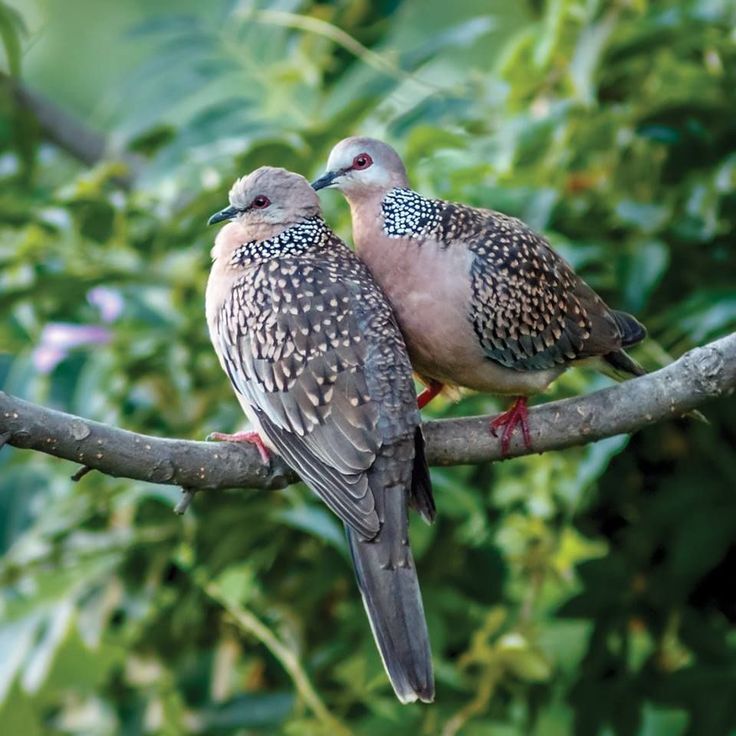
Pigeon

The pigeon is a stout-bodied bird with a short neck and short, slender bill, belonging to the family Columbidae. Well-adapted to both natural environments and urban settings, pigeons feed primarily on seeds, grains, and fruits. Recognized as a global symbol of peace and love, these gentle birds are known for their exceptional navigation abilities, strong homing instincts, and distinctive cooing calls.
See Detail

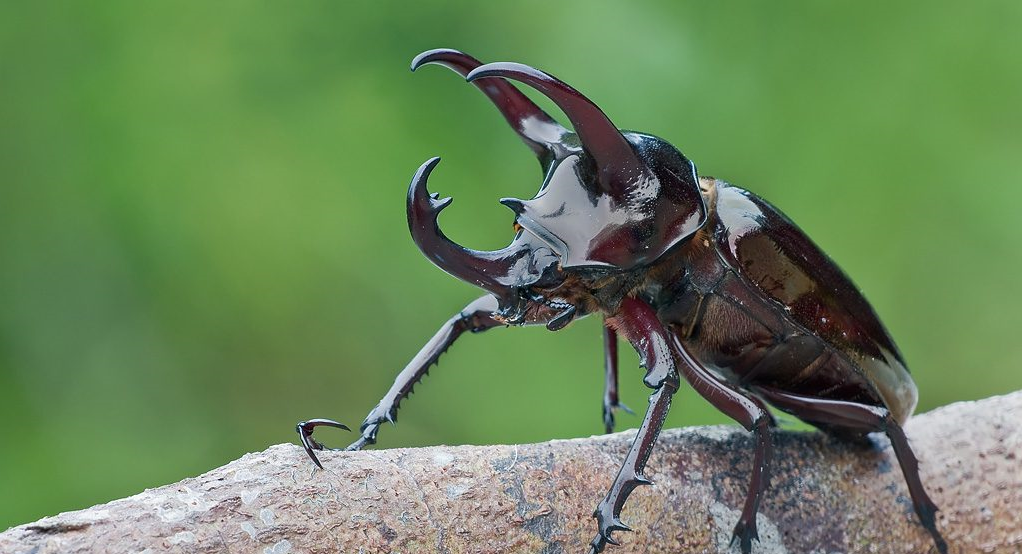
Rhinoceros Beetle

See Detail

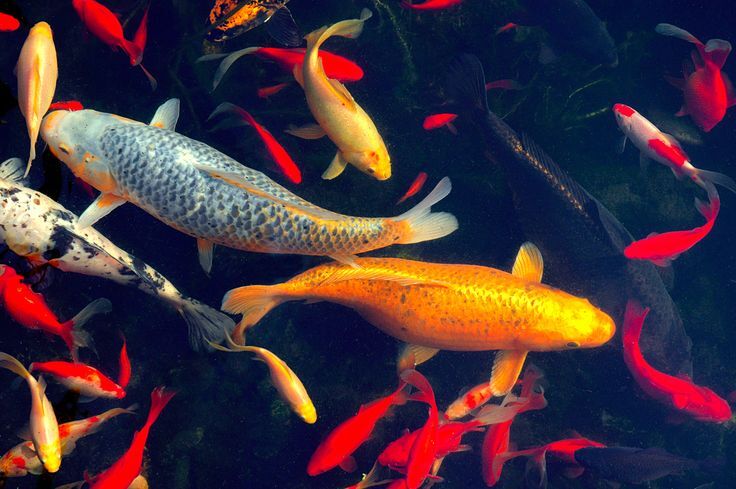
Koi

Koi are domesticated ornamental varieties of the Amur carp (Cyprinus rubrofuscus) widely kept in outdoor ponds and water gardens for decorative purposes. Renowned for their striking color variationsโ€”including white, red, black, yellow, and orangeโ€”koi are active, friendly freshwater fish that symbolize good fortune, strength, and perseverance. They can grow quite large, live for several decades with proper care, and thrive in clean, oxygen-rich freshwater environments.
See Detail

Squirrel

Tupai (Plantain Squirrel / Treeshrew) is a small, agile mammal commonly found in trees across Southeast Asia. It features a slender body, sharp claws for climbing, a pointed snout, and a bushy tail. Active mainly during the day (diurnal), its diet consists of fruits, seeds, small insects, and nectar. In Bali, it is locally known as Semal and is frequently spotted in coconut groves, tropical gardens, and lush forest areas.
See Detail

Honey Bee

See Detail

Ant

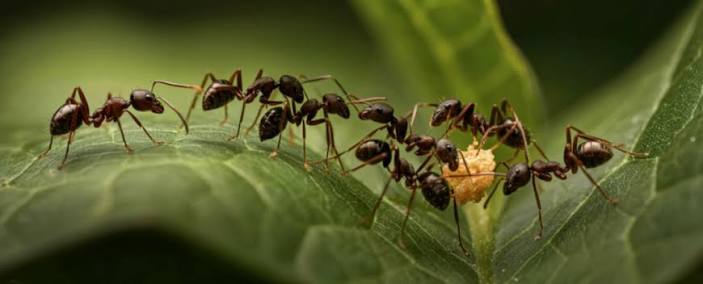
Ants are highly social insects belonging to the family Formicidae, living in organized colonies with specialized roles such as workers, soldiers, and queens. Known for their incredible strength relative to their size, communication via chemical scents (pheromones), and complex nest building, ants feed on honeydew, nectar, seeds, and small insects. They play a vital ecological role in Bali’s tropical gardens and natural landscapes as soil aerators, decomposers, and seed dispersers.
See Detail