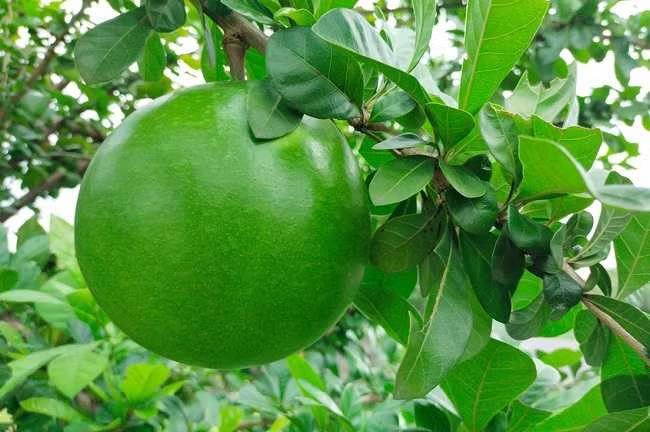
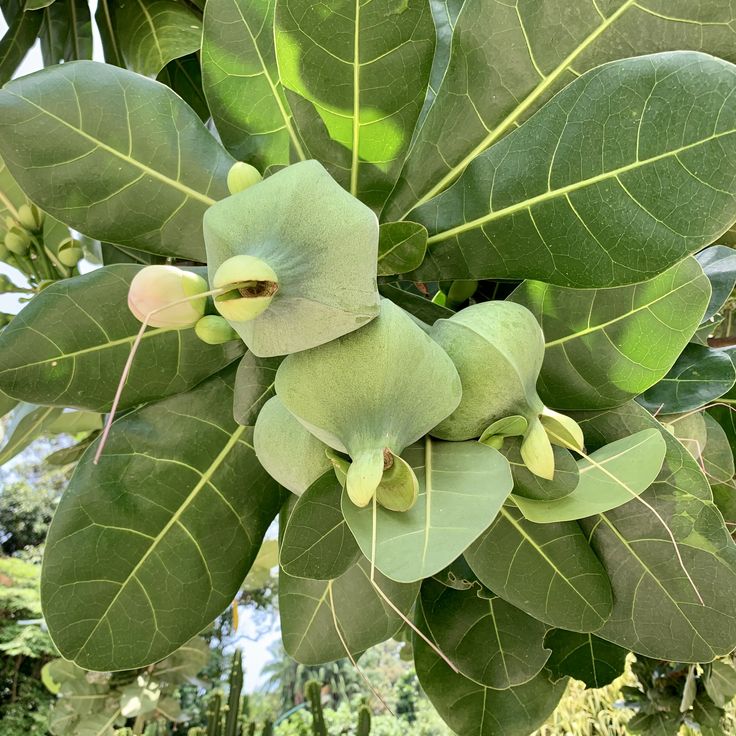
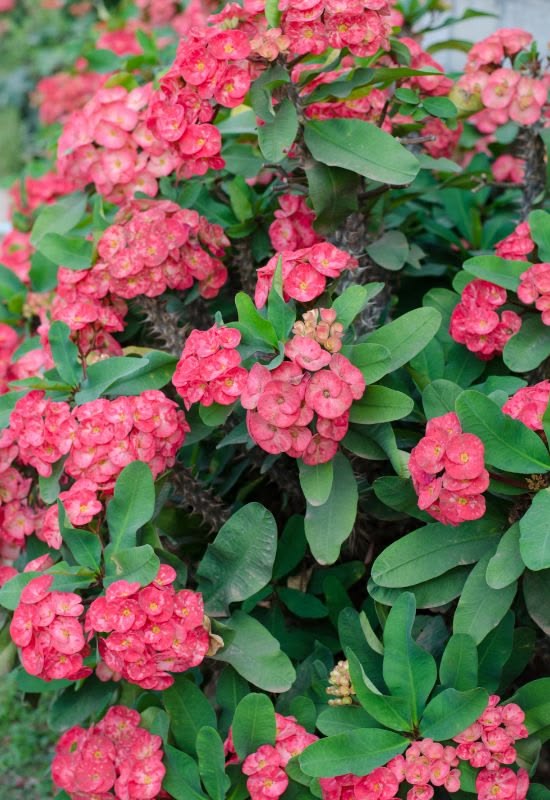
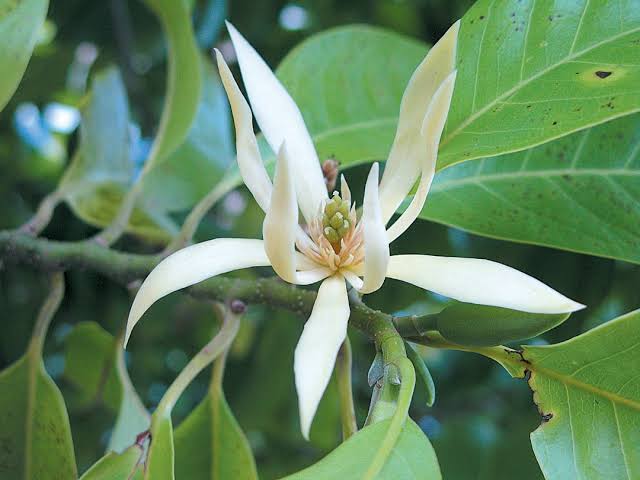
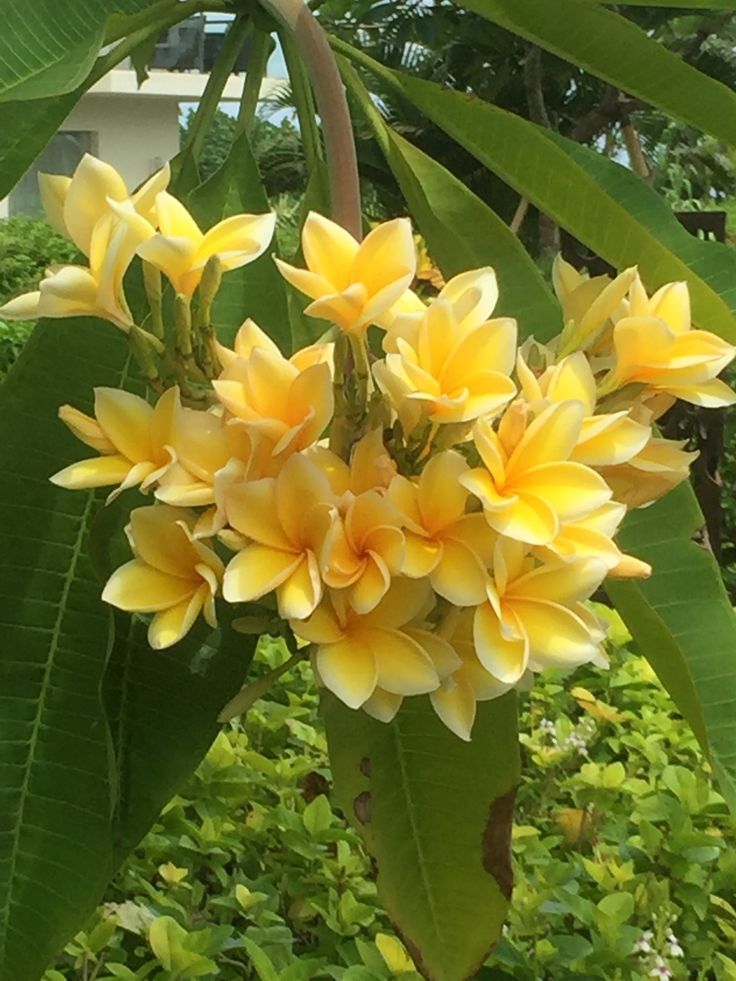
Maja is a tropical fruit tree known for its aromatic fruit and strong cultural significance across Southeast Asia. The tree grows well in warm climates and is appreciated for both its ornamental and traditional value.
Fruit-bearing trees are respected in Balinese culture as symbols of abundance, sustainability, and harmony with nature. Traditional fruit trees also reflect Bali’s agricultural heritage.
The tree supports biodiversity by attracting pollinators and providing habitat for birds and insects. Its canopy also contributes to environmental cooling.
The fruit and leaves have long been associated with traditional herbal practices and natural wellness preparations in Asia.
Traditional Tropical Fruit Tree Species
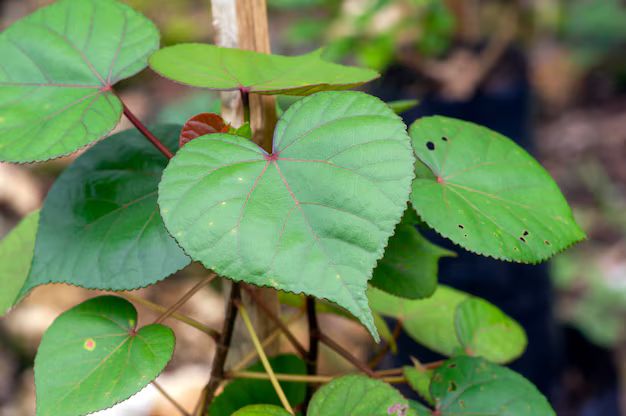
Kutat is a tropical coastal tree recognized for its heart-shaped leaves and soft yellow flowers that gradually change color throughout the day. The tree grows well in warm tropical climates and contributes to the lush greenery commonly found in Bali.
In Balinese culture, tropical flowering trees are often appreciated for their beauty and connection to nature. Trees such as Kutat symbolize harmony, protection, and the importance of preserving the natural balance of the environment.
Kutat trees help stabilize soil, provide natural shade, improve air quality, and support local biodiversity by attracting birds and pollinators. Their dense foliage also contributes to cooler tropical surroundings.
Various parts of the tree have traditionally been associated with herbal and natural uses in tropical communities. Its calming natural appearance also enhances relaxation and wellness-oriented environments.
Common Tropical Tree Species
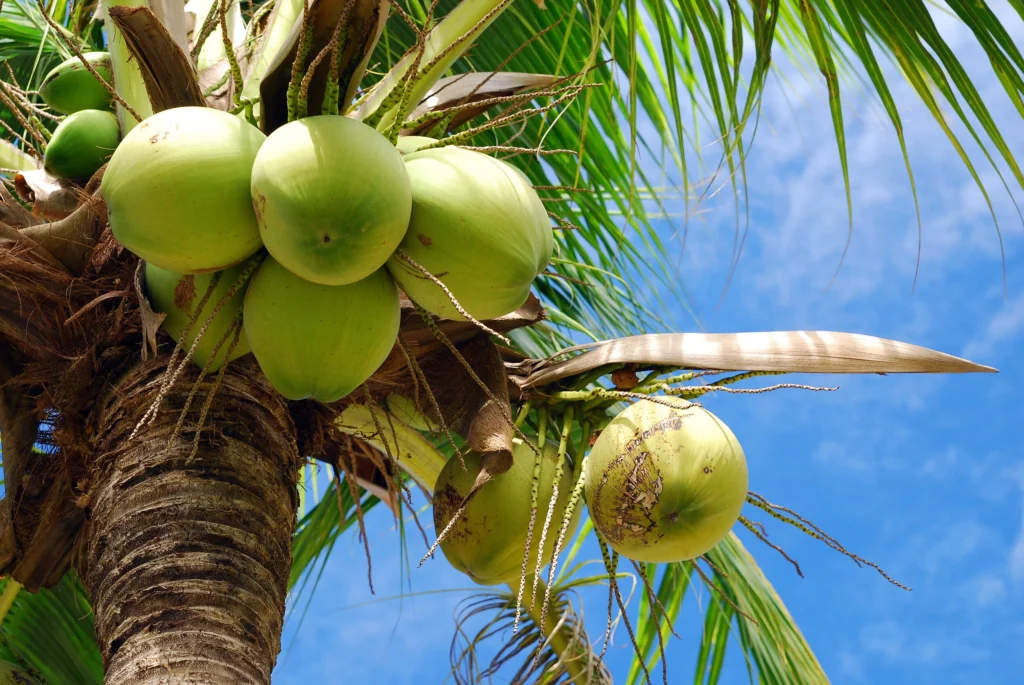
Kendal is a tropical shade tree known for its tall structure, broad canopy, and ability to thrive in warm climates. The tree contributes to the natural beauty and cooling atmosphere of tropical landscapes.
Large tropical trees are traditionally valued in Balinese culture for providing protection, harmony, and a connection to the natural environment. Trees with strong canopies often symbolize stability and balance.
Kendal trees provide shade, help reduce surrounding temperatures, improve air quality, and support habitats for birds and insects within tropical ecosystems.
The cooling shade and greenery created by large tropical trees help support relaxation and create peaceful wellness-oriented outdoor spaces.
Common Tropical Shade Tree Species
Dadap is a tropical flowering tree recognized for its striking red blossoms and distinctive branching structure. The tree is commonly planted in tropical regions for shade, landscaping, and environmental purposes.
Trees with vibrant flowers are often appreciated in Balinese culture for symbolizing energy, vitality, and the beauty of nature. Dadap trees also contribute to the tropical identity of Balinese landscapes.
Dadap trees support biodiversity by attracting birds, bees, and butterflies with their bright flowers. The tree also helps improve soil fertility through natural nitrogen fixation.
In traditional communities, parts of the Dadap tree have been associated with natural herbal uses and environmental cooling benefits through its broad canopy.
Common Tropical Flowering Tree Species