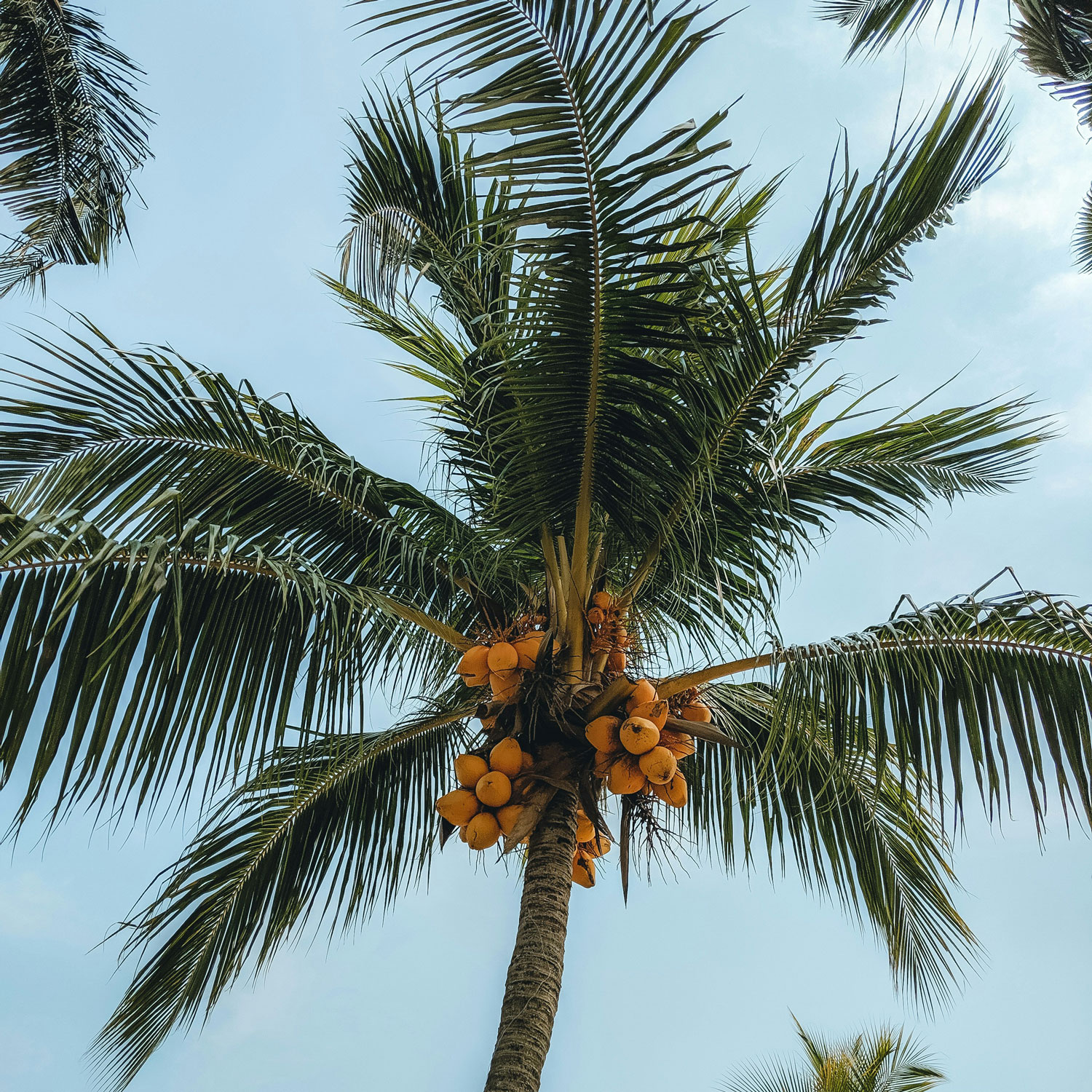
Lemputu is a tropical tree species commonly found in lush Balinese environments and traditional landscapes. The tree contributes to the rich biodiversity and natural beauty of tropical ecosystems around Ubud.
Native tropical trees are traditionally respected in Balinese culture as important elements of environmental harmony and spiritual balance. Trees play an essential role in preserving the natural connection between humans and nature.
The tree supports biodiversity by providing shade, oxygen production, and habitat for birds, insects, and other tropical wildlife. It also contributes to maintaining a cooler and healthier environment.
Large tropical trees help create peaceful natural surroundings that support relaxation, mindfulness, and wellness-oriented experiences in tropical resort settings.
Common Tropical Tree Species / Further Botanical Identification Recommended
Tabebuya is a beautiful flowering tree admired for its vibrant blossoms that bloom seasonally in shades of pink, yellow, white, or purple. The tree creates a spectacular visual display and enhances the beauty of tropical landscapes.
Flowering trees are appreciated in Balinese landscapes for symbolizing beauty, renewal, and harmony with nature. Seasonal blooming trees help create uplifting and inspiring outdoor environments.
Tabebuya flowers attract bees, butterflies, and pollinators that support biodiversity and ecological balance within tropical ecosystems.
The colorful blossoms and natural beauty of Tabebuya trees help create calming outdoor spaces that support relaxation, mindfulness, and wellness-oriented experiences.
Common Tropical Ornamental Flowering Tree Species
Dadap is a tropical flowering tree recognized for its striking red blossoms and distinctive branching structure. The tree is commonly planted in tropical regions for shade, landscaping, and environmental purposes.
Trees with vibrant flowers are often appreciated in Balinese culture for symbolizing energy, vitality, and the beauty of nature. Dadap trees also contribute to the tropical identity of Balinese landscapes.
Dadap trees support biodiversity by attracting birds, bees, and butterflies with their bright flowers. The tree also helps improve soil fertility through natural nitrogen fixation.
In traditional communities, parts of the Dadap tree have been associated with natural herbal uses and environmental cooling benefits through its broad canopy.
Common Tropical Flowering Tree Species
Sana is a large tropical shade tree known for its wide canopy and calming natural presence. Commonly found in tropical landscapes, the tree provides a cooling atmosphere and contributes to the lush greenery often associated with Bali’s natural environment.
Large tropical trees such as Sana are often associated with protection, balance, and harmony with nature in Balinese culture. Trees with expansive canopies are traditionally valued for creating peaceful communal spaces and natural gathering areas.
The tree provides significant shade, improves air quality, supports biodiversity, and creates habitat for birds and insects. Its broad canopy also helps reduce surrounding temperatures and maintain environmental humidity.
The calming natural shade created by the tree contributes to relaxation and wellness experiences within tropical landscapes. Large tropical trees also help create more comfortable outdoor environments for mindfulness and rest.
Common Tropical Shade Tree Species
Oil palm is a tropical palm species widely cultivated in tropical regions for its highly valuable fruit and oil production. With its strong upright trunk and large feather-like leaves, the oil palm is well adapted to warm and humid climates such as Indonesia.
Although not traditionally sacred like coconut trees, palm species are often associated with tropical abundance, fertility, and prosperity in Indonesian culture. Palm vegetation also contributes to the lush tropical scenery commonly found throughout Bali.
Palm trees help create shaded environments, support biodiversity, and contribute to the tropical ecosystem. Their presence can also help reduce heat around landscaped resort areas and provide habitat for birds and insects.
Palm oil derivatives are widely used in soaps, cosmetics, candles, and wellness products. Various parts of the plant are also utilized in traditional and commercial industries across tropical regions.
Widely Cultivated Tropical Species
Bamboo is a fast-growing tropical grass species admired for its strength, flexibility, and sustainability. Commonly found throughout Bali, bamboo has long been used in traditional architecture, art, and daily life. Its elegant appearance also enhances the tranquil ambiance of tropical landscapes.
In Bali, bamboo plays an important role in ceremonies, traditional decorations, and community life. It is widely used for making penjor, ceremonial ornaments placed during Balinese Hindu celebrations. Bamboo symbolizes resilience, harmony, and balance with nature.
Bamboo helps prevent soil erosion, improves soil stability, absorbs carbon dioxide efficiently, and supports biodiversity. Its rapid growth also makes bamboo one of the most sustainable natural resources in tropical ecosystems.
Young bamboo shoots are edible and commonly used in traditional cuisine. Bamboo forests are also known to create calming environments that support relaxation, mindfulness, and wellness experiences.
Common Tropical Species / Sustainable Plant Resource