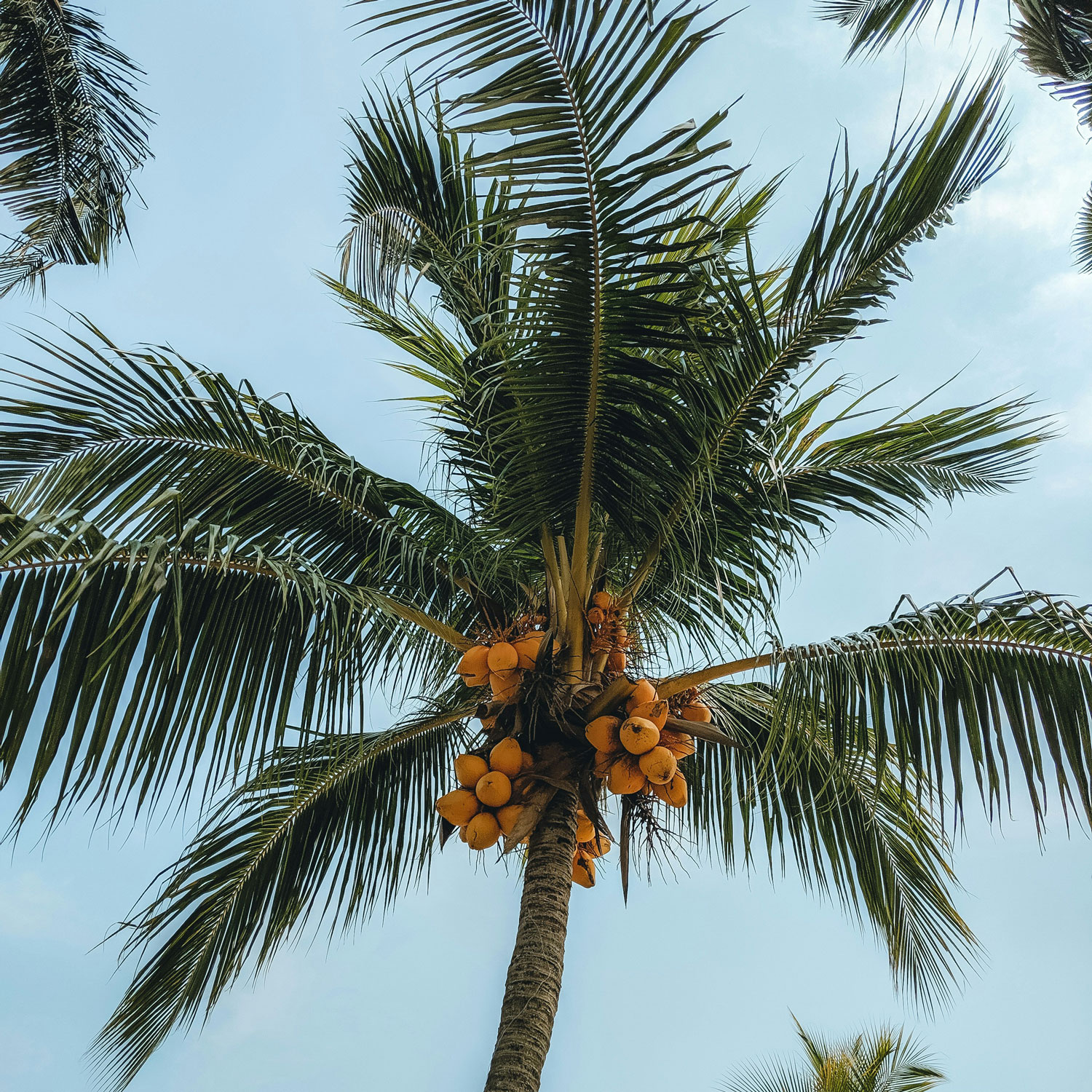
Bael Tree

Local Name

Mojo

Scientific Name

Aegle marmelos

Family

Rutaceae

Description :

Mojo is a tropical fruit tree known for its aromatic fruit, medicinal value, and cultural significance in many parts of Asia. The tree grows well in warm climates and is appreciated for its resilience and natural beauty within tropical landscapes.

Cultural Meaning (Bali) :

Traditional fruit trees are often associated with prosperity, balance, and harmony with nature in Balinese culture. Trees that produce beneficial fruits are highly valued for supporting both daily life and traditional wellness practices.

Ecological Importance :

Mojo trees help support biodiversity by providing shade, flowers for pollinators, and habitat for birds and insects. Their presence also contributes to the greenery and ecological balance of tropical environments.

Wellness / Traditional Benefits :

The fruit, leaves, and other parts of the tree have long been used in traditional herbal practices across Asia. The fruit is often associated with digestive wellness and natural health remedies.

Interesting Facts :

  • The fruit has a distinctive aromatic fragrance.
  • Mojo trees are known for their ability to survive in dry tropical conditions.
  • Various parts of the tree are traditionally used in herbal preparations.
  • The fruit has been valued for centuries in traditional Asian cultures.

Conservation Status :

Common Tropical Fruit Tree Species

Local Name

Latin Name

English Name

Bali Name

Type

Other Flora

Champacaย Flower

Description :

Cempaka is a fragrant tropical flowering tree admired for its beautiful blossoms and soothing aroma. The flower is widely appreciated across Bali for its elegance, spiritual symbolism, and calming natural fragrance.

Cultural Meaning (Bali) :

Cempaka flowers are considered sacred in Balinese Hindu culture and are commonly used in temple offerings, prayer rituals, and traditional ceremonies. The flower symbolizes purity, sincerity, beauty, and spiritual devotion.

Ecological Importance :

The fragrant flowers attract pollinators such as bees and butterflies, helping support the local ecosystem and biodiversity. Its dense foliage also contributes to natural shade and cooling in tropical gardens.

Wellness / Traditional Benefits :

The natural fragrance of cempaka flowers is often associated with relaxation and aromatherapy. Traditionally, the flowers are used to create calming environments and are appreciated for their soothing scent during spiritual and wellness rituals.

Interesting Facts :

  • Cempaka flowers release a stronger fragrance during the evening.
  • The flower is often associated with temples and sacred spaces in Bali.
  • Its fragrance is highly valued in traditional perfumes and aromatherapy.
  • Cempaka trees can bloom multiple times throughout the year in tropical climates.

Conservation Status :

Common Tropical Flowering Species

See Detail

Devil Tree / Blackboard Tree

Description :

Pule, also known as Pulai, is a tall tropical evergreen tree admired for its elegant form, fragrant flowers, and strong spiritual presence. Commonly found throughout Bali, the tree contributes to the serene atmosphere of tropical landscapes with its dense canopy and calming natural beauty.

Cultural Meaning (Bali) :

In Balinese culture, the Pule tree is considered sacred and is often associated with temples, spiritual rituals, and traditional ceremonies. The tree symbolizes protection, wisdom, purity, and harmony between humans and nature. Pule wood is also traditionally used for creating sacred masks and ceremonial carvings in Balinese art and spiritual performances.

Ecological Importance :

The Pule tree provides extensive shade, improves air quality, and supports biodiversity by creating habitat for birds, insects, and pollinators. Its large canopy helps maintain cooler temperatures and contributes to environmental balance within tropical ecosystems.

Wellness / Traditional Benefits :

Traditionally, various parts of the Pule tree have been associated with herbal and natural wellness practices. The peaceful atmosphere created by mature Pule trees also supports relaxation, meditation, and mindfulness experiences in natural environments.

Interesting Facts :

  • Pule trees are often planted near temples and sacred areas in Bali.
  • The flowers release a subtle fragrance, especially during the evening.
  • The tree can grow very tall and live for many decades.
  • Historically, the wood was used for making traditional school writing boards, inspiring the scientific name scholaris.
  • Pule wood is commonly used in Balinese ceremonial masks and traditional carvings.

Conservation Status :

Common Tropical Sacred Tree Species

See Detail

African Tulip Tree

Known for its vibrant orange-red blooms, bringing striking color to the jungle landscape.
See Detail

Fan Palm

Description :

Palem Kipas is a tropical ornamental palm admired for its large fan-shaped leaves and elegant appearance. The plant is commonly used in tropical landscaping to create lush, shaded, and visually striking garden environments.

Cultural Meaning (Bali) :

Palm species are closely associated with tropical beauty, harmony, and hospitality in Balinese landscapes. The symmetrical fan-like leaves symbolize balance and natural elegance within tropical garden settings.

Ecological Importance :

Fan palms contribute to biodiversity, improve air quality, and help maintain tropical humidity. Their broad leaves also provide shelter for small insects and contribute to cooler outdoor environments.

Wellness / Traditional Benefits :

The calming visual appearance of Palem Kipas helps create peaceful and relaxing tropical spaces often associated with wellness and mindfulness experiences.

Interesting Facts :

  • The leaves can grow in nearly perfect circular fan shapes.
  • Fan palms are popular ornamental plants in tropical resorts and botanical gardens.
  • The plant thrives in warm and humid environments.
  • Its unique leaf shape creates dramatic tropical visual appeal.

Conservation Status :

Common Tropical Ornamental Palm Species

See Detail

Heliconia / Lobster Claw Plant

Description :

Heliconia is a striking tropical ornamental plant recognized for its colorful hanging flowers and lush foliage. Its dramatic appearance adds vibrant beauty to tropical gardens and resort landscapes.

Cultural Meaning (Bali) :

Colorful tropical plants are appreciated in Balinese landscaping for creating harmony, beauty, and a welcoming natural environment. Ornamental flowers symbolize tropical vitality and elegance.

Ecological Importance :

Heliconia flowers attract pollinators such as birds, butterflies, and insects, helping support biodiversity within tropical ecosystems.

Wellness / Traditional Benefits :

The plant’s vibrant appearance contributes to uplifting and calming tropical environments that support relaxation and wellness experiences.

Interesting Facts :

  • Heliconia flowers are known for their unusual claw-like shapes.
  • The plant thrives in warm and humid tropical climates.
  • Some species attract hummingbird-like pollinators in tropical regions.
  • Heliconia is widely used in tropical landscape design.

Conservation Status :

Common Tropical Ornamental Plant Species

See Detail

Fishtail Palm

A decorative palm with distinctive leaves shaped like a fishโ€™s tail.
See Detail