Hibiscus

Local Name

Sepatudea

Scientific Name

Hibiscus rosa-sinensis

Family

Malvaceae

Description :

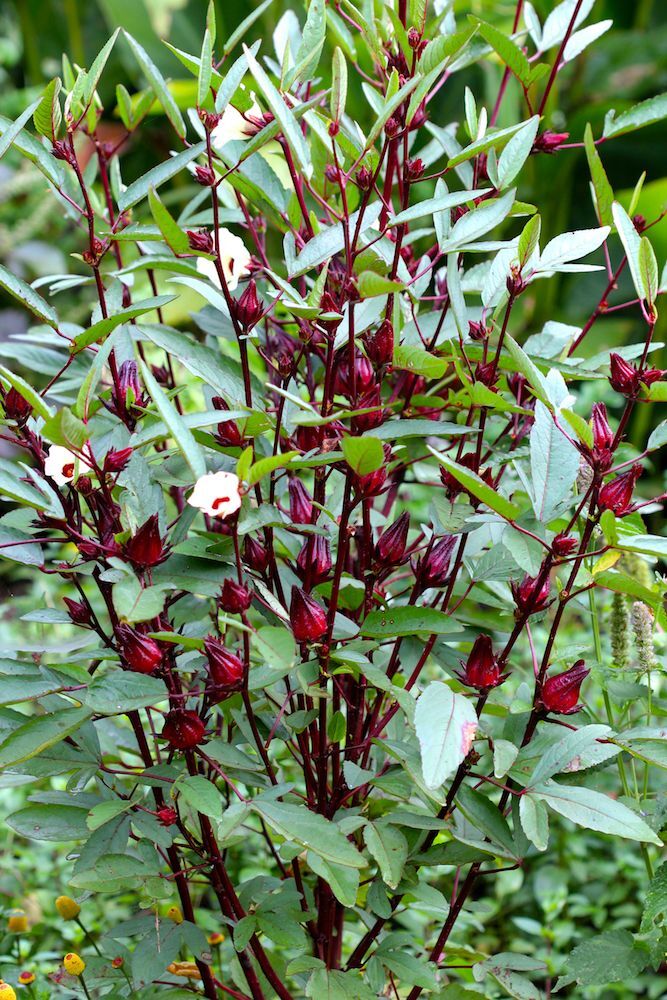
Sepatudea, or hibiscus, is a vibrant tropical flowering plant admired for its large colorful blooms and ornamental beauty. The plant is widely used in tropical landscaping and enhances the visual appeal of gardens and resort environments.

Cultural Meaning (Bali) :

Hibiscus flowers are often associated with beauty, hospitality, and tropical elegance. In Bali, colorful flowers are commonly used to decorate homes, temples, and ceremonial offerings, representing harmony and gratitude toward nature.

Ecological Importance :

The bright flowers attract butterflies, bees, and pollinating insects that support biodiversity and ecological balance within tropical ecosystems.

Wellness / Traditional Benefits :

Certain hibiscus varieties are traditionally used in herbal drinks, natural hair care, and wellness practices. The flowers are also appreciated for their soothing visual beauty and calming garden presence.

Interesting Facts :

  • Hibiscus flowers bloom in many vibrant colors including red, pink, yellow, orange, and white.
  • Each flower usually blooms for only a short period of time.
  • The plant is popular in tropical gardens around the world.
  • Hibiscus flowers naturally attract butterflies and bees.

Conservation Status :

Common Tropical Flowering Plant

Local Name

Latin Name

English Name

Bali Name

Type

Other Flora

Sugar Palm

Description :

The Sugar Palm is a tropical palm species valued for its sweet sap, strong fibers, and traditional uses. The tree is commonly found in tropical forests and rural landscapes across Indonesia.

Cultural Meaning (Bali) :

Palm trees such as Aren are traditionally connected to rural life, sustainability, and natural resourcefulness in Indonesian culture. The tree represents abundance and the practical relationship between humans and nature.

Ecological Importance :

Aren trees help support biodiversity, improve soil stability, and contribute to the tropical ecosystem through their dense foliage and habitat value.

Wellness / Traditional Benefits :

The sap of the Aren tree is traditionally processed into palm sugar and local beverages. Various parts of the tree are also used in handicrafts, roofing, and traditional culinary practices.

Interesting Facts :

  • Sugar palms can produce natural sweet sap for many years.
  • Palm sugar made from Aren is widely used in Indonesian cuisine.
  • The fibers from the tree are used for ropes and brushes.
  • Aren palms grow naturally in tropical forest environments.

Conservation Status :

Traditional Tropical Palm Species

See Detail

Champaca Flower

Description :

Cempaka is a fragrant tropical flowering tree admired for its beautiful blossoms and soothing aroma. The flower is widely appreciated across Bali for its elegance, spiritual symbolism, and calming natural fragrance.

Cultural Meaning (Bali) :

Cempaka flowers are considered sacred in Balinese Hindu culture and are commonly used in temple offerings, prayer rituals, and traditional ceremonies. The flower symbolizes purity, sincerity, beauty, and spiritual devotion.

Ecological Importance :

The fragrant flowers attract pollinators such as bees and butterflies, helping support the local ecosystem and biodiversity. Its dense foliage also contributes to natural shade and cooling in tropical gardens.

Wellness / Traditional Benefits :

The natural fragrance of cempaka flowers is often associated with relaxation and aromatherapy. Traditionally, the flowers are used to create calming environments and are appreciated for their soothing scent during spiritual and wellness rituals.

Interesting Facts :

  • Cempaka flowers release a stronger fragrance during the evening.
  • The flower is often associated with temples and sacred spaces in Bali.
  • Its fragrance is highly valued in traditional perfumes and aromatherapy.
  • Cempaka trees can bloom multiple times throughout the year in tropical climates.

Conservation Status :

Common Tropical Flowering Species

See Detail

Coral Tree

Description :

Dadap is a tropical flowering tree recognized for its striking red blossoms and distinctive branching structure. The tree is commonly planted in tropical regions for shade, landscaping, and environmental purposes.

Cultural Meaning (Bali) :

Trees with vibrant flowers are often appreciated in Balinese culture for symbolizing energy, vitality, and the beauty of nature. Dadap trees also contribute to the tropical identity of Balinese landscapes.

Ecological Importance :

Dadap trees support biodiversity by attracting birds, bees, and butterflies with their bright flowers. The tree also helps improve soil fertility through natural nitrogen fixation.

Wellness / Traditional Benefits :

In traditional communities, parts of the Dadap tree have been associated with natural herbal uses and environmental cooling benefits through its broad canopy.

Interesting Facts :

  • Dadap flowers are known for their bright coral-red color.
  • The tree is often used as a natural shade tree in tropical regions.
  • It belongs to the legume family, which helps enrich soil quality.
  • The flowers attract many pollinating birds and insects.

Conservation Status :

Common Tropical Flowering Tree Species

See Detail

Kusum Tree

A native forest tree that supports the natural ecosystem of the surrounding jungle.
See Detail

Bamboo

Description :

Bamboo is a fast-growing tropical grass species admired for its strength, flexibility, and sustainability. Commonly found throughout Bali, bamboo has long been used in traditional architecture, art, and daily life. Its elegant appearance also enhances the tranquil ambiance of tropical landscapes.

Cultural Meaning (Bali) :

In Bali, bamboo plays an important role in ceremonies, traditional decorations, and community life. It is widely used for making penjor, ceremonial ornaments placed during Balinese Hindu celebrations. Bamboo symbolizes resilience, harmony, and balance with nature.

Ecological Importance :

Bamboo helps prevent soil erosion, improves soil stability, absorbs carbon dioxide efficiently, and supports biodiversity. Its rapid growth also makes bamboo one of the most sustainable natural resources in tropical ecosystems.

Wellness / Traditional Benefits :

Young bamboo shoots are edible and commonly used in traditional cuisine. Bamboo forests are also known to create calming environments that support relaxation, mindfulness, and wellness experiences.

Interesting Facts :

Bamboo is one of the fastest-growing plants in the world.
Some bamboo species can grow several centimeters in a single day.
Bamboo has been used for centuries in Balinese construction and handicrafts.
Despite its tree-like appearance, bamboo is technically a type of grass.

Conservation Status :

Common Tropical Species / Sustainable Plant Resource

See Detail

Bael Fruit / Golden Apple

Description :

Maja is a tropical fruit tree known for its aromatic fruit and strong cultural significance across Southeast Asia. The tree grows well in warm climates and is appreciated for both its ornamental and traditional value.

Cultural Meaning (Bali) :

Fruit-bearing trees are respected in Balinese culture as symbols of abundance, sustainability, and harmony with nature. Traditional fruit trees also reflect Bali’s agricultural heritage.

Ecological Importance :

The tree supports biodiversity by attracting pollinators and providing habitat for birds and insects. Its canopy also contributes to environmental cooling.

Wellness / Traditional Benefits :

The fruit and leaves have long been associated with traditional herbal practices and natural wellness preparations in Asia.

Interesting Facts :

  • The fruit has a hard outer shell and aromatic pulp.
  • Maja trees are highly resilient in tropical climates.
  • The fruit has been traditionally valued for centuries.
  • The tree produces fragrant flowers and attractive foliage.

Conservation Status :

Traditional Tropical Fruit Tree Species

See Detail