
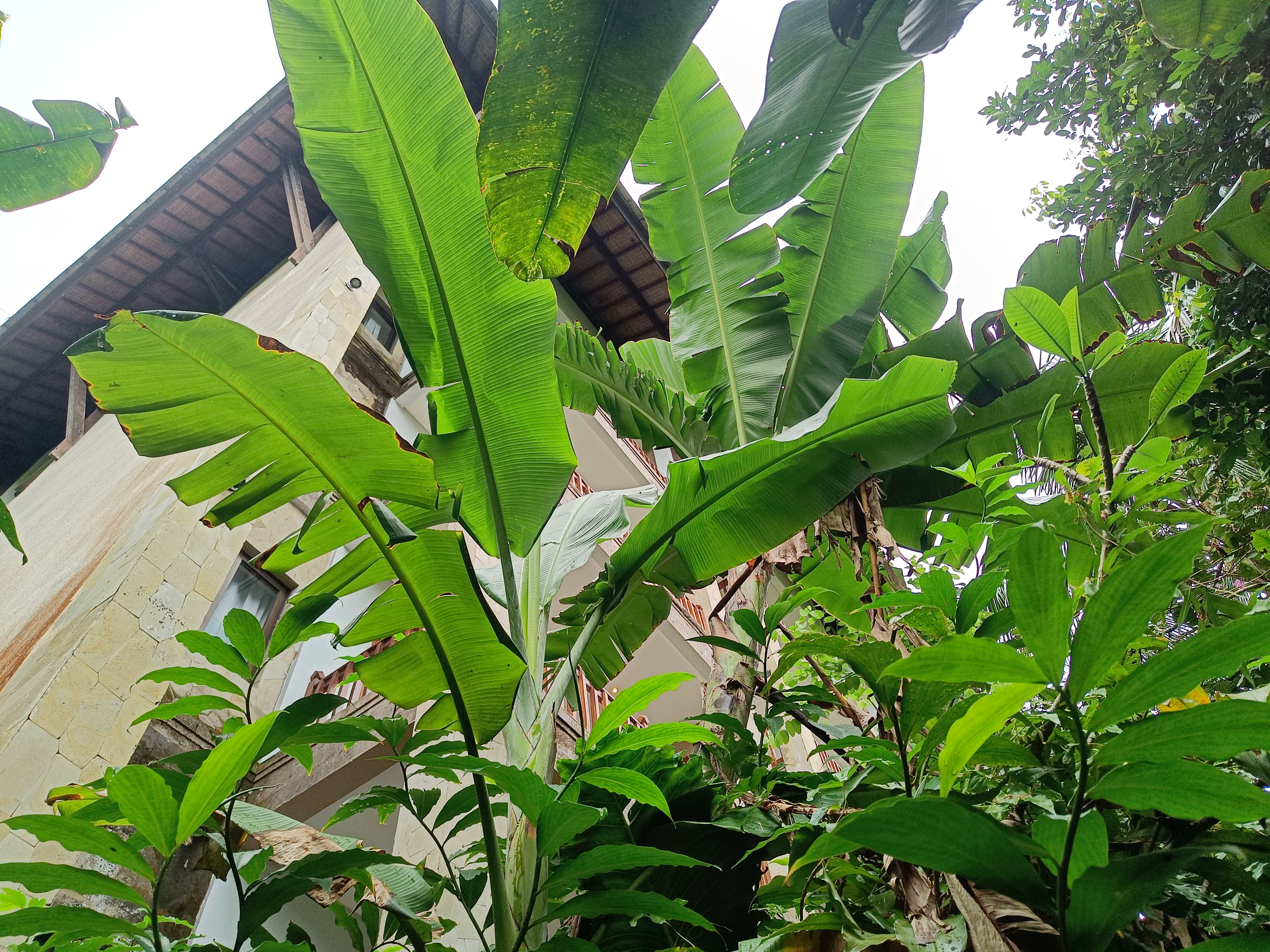
Pisang is a tropical fruit-bearing plant widely cultivated throughout Bali and Indonesia. Known for its broad green leaves and nutritious fruit, the banana plant plays an important role in tropical agriculture, culinary traditions, and cultural practices.
Banana leaves and fruits are commonly used in Balinese offerings, ceremonies, and traditional food presentation. The plant symbolizes abundance, prosperity, and the strong relationship between nature and daily life.
Banana plants help maintain soil moisture, support biodiversity, and contribute to the lush greenery of tropical ecosystems. Their large leaves also help create cooler surrounding environments.
Bananas are rich in nutrients and are widely consumed as part of healthy tropical diets. Banana leaves are also traditionally used as natural food wrappers and serving materials.
Common Tropical Fruit Plant Species


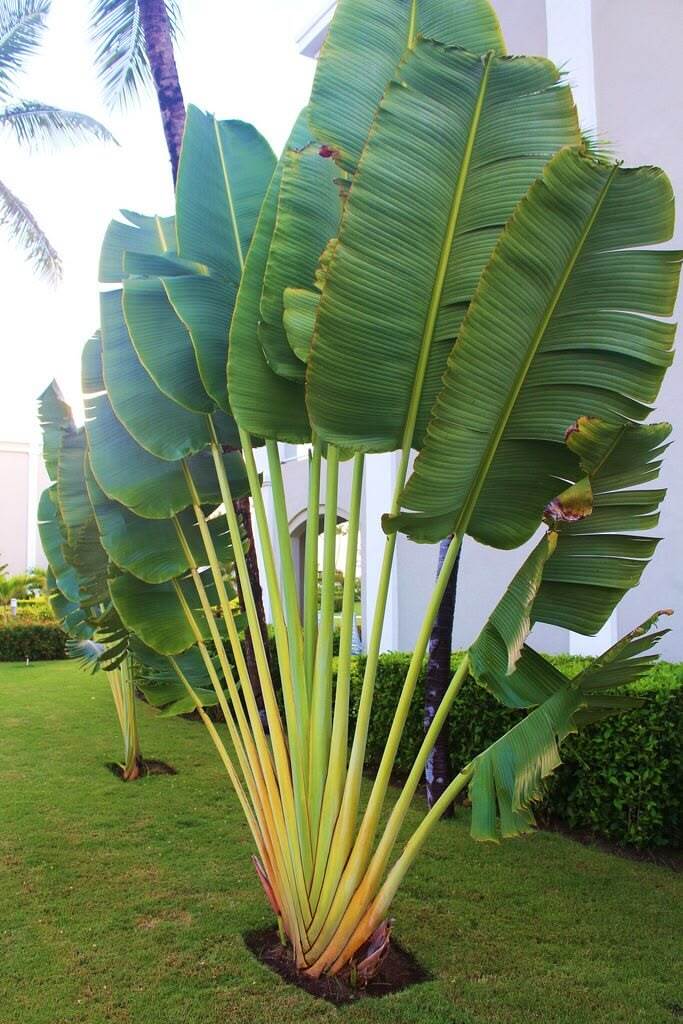
Tunjang Langit, commonly known as the Traveler’s Palm, is a striking tropical plant admired for its dramatic fan-shaped leaves and architectural appearance. Its unique structure creates a strong visual statement in tropical gardens and resort landscapes.
Large tropical plants with elegant forms are often appreciated in Balinese landscaping for representing harmony, beauty, and the grandeur of nature. Their presence enhances the peaceful atmosphere of tropical environments.
The plant contributes to biodiversity, provides shade, and supports tropical ecosystems by helping maintain humidity and greenery within landscaped areas.
The lush tropical appearance of the Traveler’s Palm helps create calming natural surroundings that support relaxation and wellness-focused experiences.
Common Ornamental Tropical Plant Species
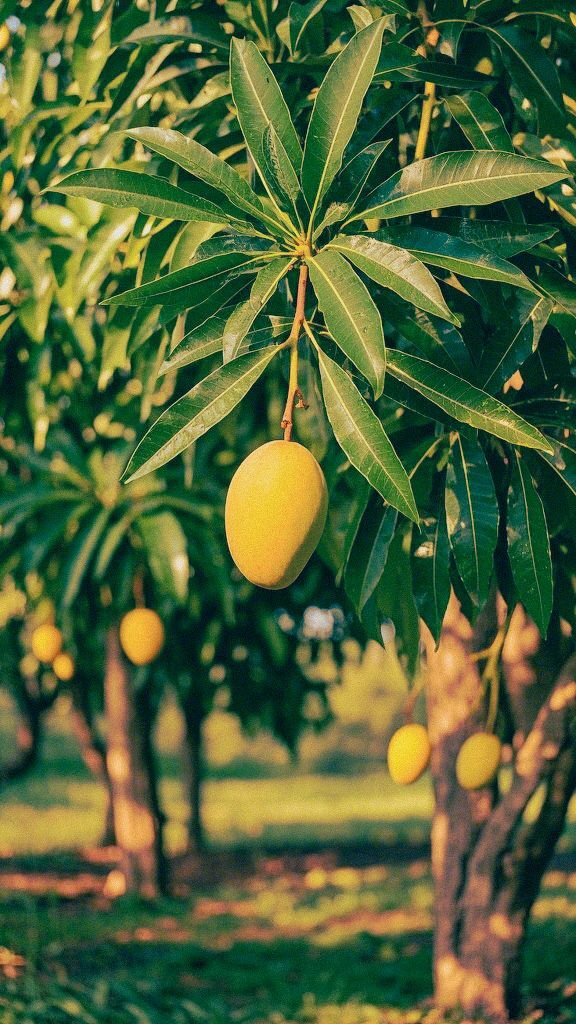
Bintaro is a tropical coastal tree known for its glossy leaves and distinctive green fruits. The tree is widely planted as an ornamental species in tropical landscapes due to its elegant appearance and strong adaptability.
Large tropical trees are appreciated in Balinese landscapes for their beauty, shade, and connection to nature. Bintaro contributes to the lush tropical identity commonly associated with Bali.
The tree provides shade, improves air quality, and supports tropical biodiversity by creating habitat for birds and insects.
Although the tree is mainly ornamental, tropical greenery such as Bintaro contributes to relaxing natural environments that support wellness and mindfulness experiences.
Common Tropical Ornamental Tree Species
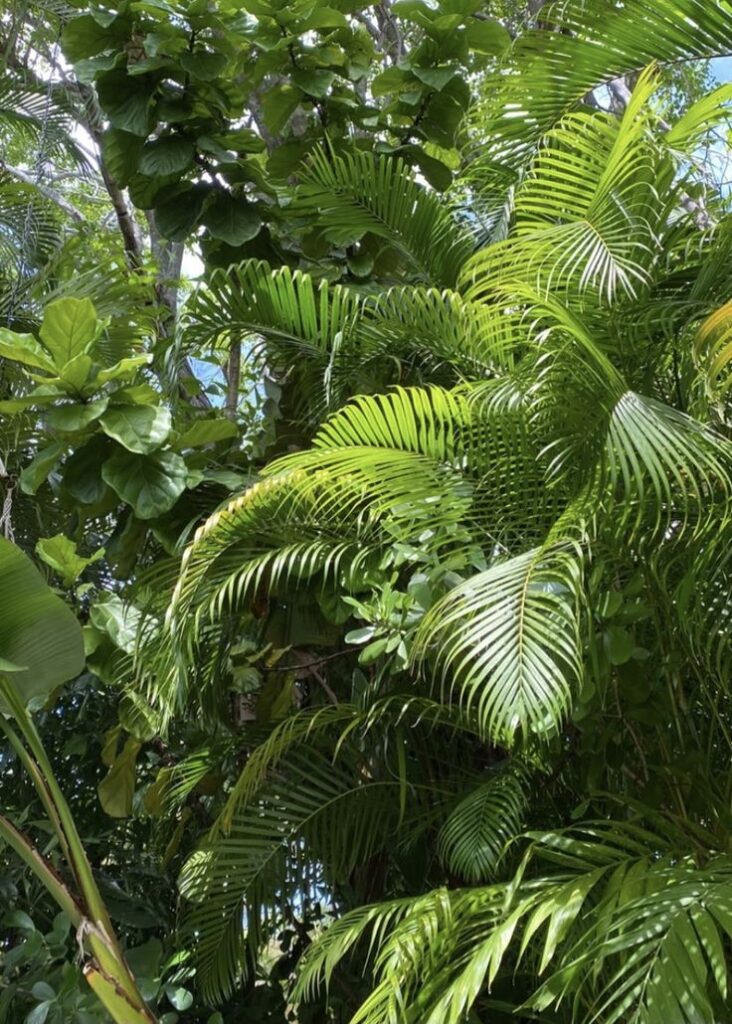
Lemputu is a tropical tree species commonly found in lush Balinese environments and traditional landscapes. The tree contributes to the rich biodiversity and natural beauty of tropical ecosystems around Ubud.
Native tropical trees are traditionally respected in Balinese culture as important elements of environmental harmony and spiritual balance. Trees play an essential role in preserving the natural connection between humans and nature.
The tree supports biodiversity by providing shade, oxygen production, and habitat for birds, insects, and other tropical wildlife. It also contributes to maintaining a cooler and healthier environment.
Large tropical trees help create peaceful natural surroundings that support relaxation, mindfulness, and wellness-oriented experiences in tropical resort settings.
Common Tropical Tree Species / Further Botanical Identification Recommended
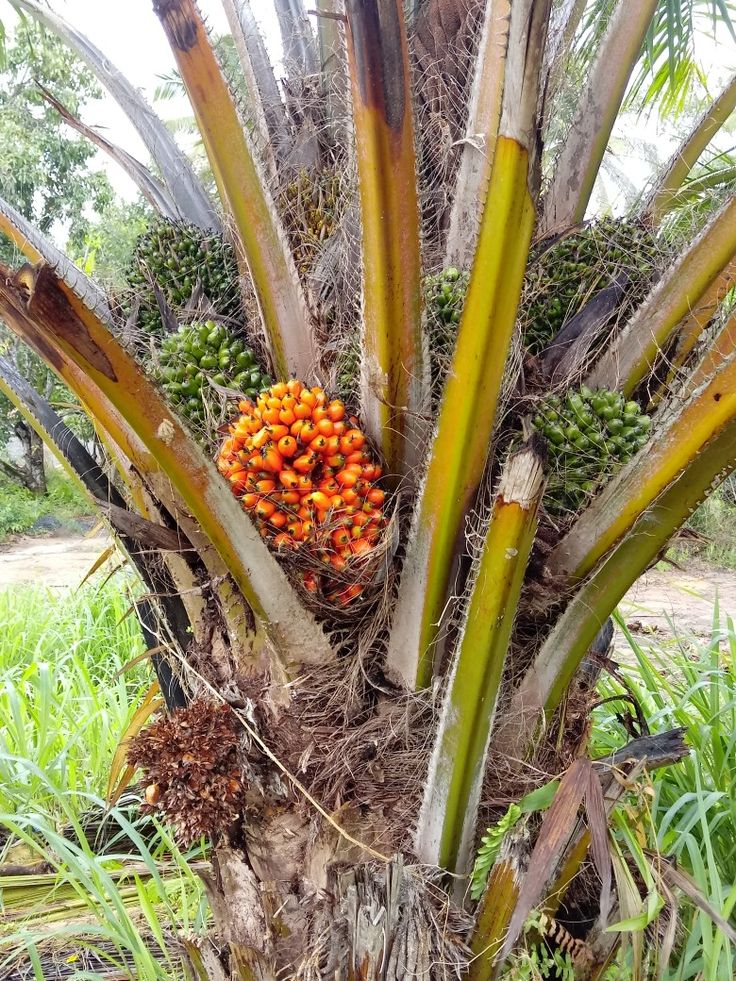
Oil palm is a tropical palm species widely cultivated in tropical regions for its highly valuable fruit and oil production. With its strong upright trunk and large feather-like leaves, the oil palm is well adapted to warm and humid climates such as Indonesia.
Although not traditionally sacred like coconut trees, palm species are often associated with tropical abundance, fertility, and prosperity in Indonesian culture. Palm vegetation also contributes to the lush tropical scenery commonly found throughout Bali.
Palm trees help create shaded environments, support biodiversity, and contribute to the tropical ecosystem. Their presence can also help reduce heat around landscaped resort areas and provide habitat for birds and insects.
Palm oil derivatives are widely used in soaps, cosmetics, candles, and wellness products. Various parts of the plant are also utilized in traditional and commercial industries across tropical regions.
Widely Cultivated Tropical Species
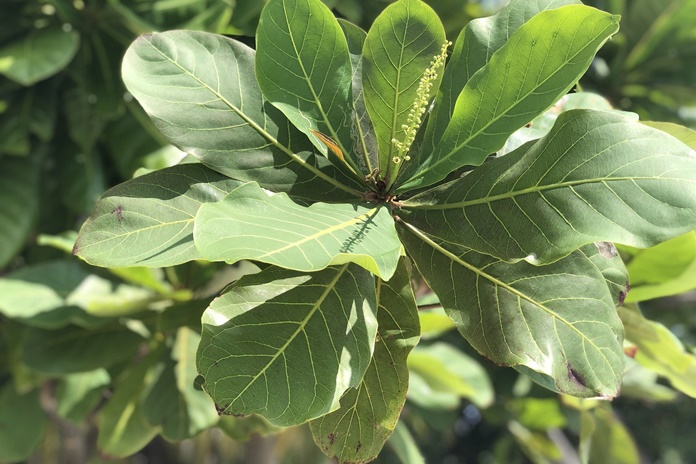
Ketapang is a large tropical shade tree recognized for its broad layered branches and seasonal color-changing leaves. The tree is widely planted in tropical landscapes for shade and environmental cooling.
Shade trees such as Ketapang are valued in Balinese culture for creating peaceful communal spaces and maintaining harmony with the natural environment.
Ketapang trees provide extensive shade, help reduce heat, improve air quality, and support habitats for birds and insects. Their fallen leaves also contribute nutrients back into the soil ecosystem.
The calming shade and natural beauty of Ketapang trees help create relaxing outdoor spaces that support wellness and mindfulness experiences.
Common Tropical Shade Tree Species

Mangga is a popular tropical fruit tree admired for its sweet fruit, dense canopy, and refreshing shade. Mango trees thrive in warm climates and are commonly found in tropical gardens, villages, and agricultural landscapes throughout Bali and Indonesia.
Fruit-bearing trees are traditionally valued in Balinese culture as symbols of abundance, prosperity, and the harmonious relationship between humans and nature. Mango trees are often planted in family compounds and tropical gardens.
Mango trees support biodiversity by providing food and habitat for birds, insects, and pollinators. Their broad canopy also helps cool the environment and improve air quality.
Mango fruits are rich in vitamins and antioxidants and are widely enjoyed fresh or in tropical dishes and beverages. Traditionally, various parts of the tree have also been associated with natural wellness practices.
Common Tropical Fruit Tree Species
We use cookies to enhance your browsing experience and provide personalized content. By clicking "Accept All", you consent to our use of cookies. You can customize your preferences anytime.