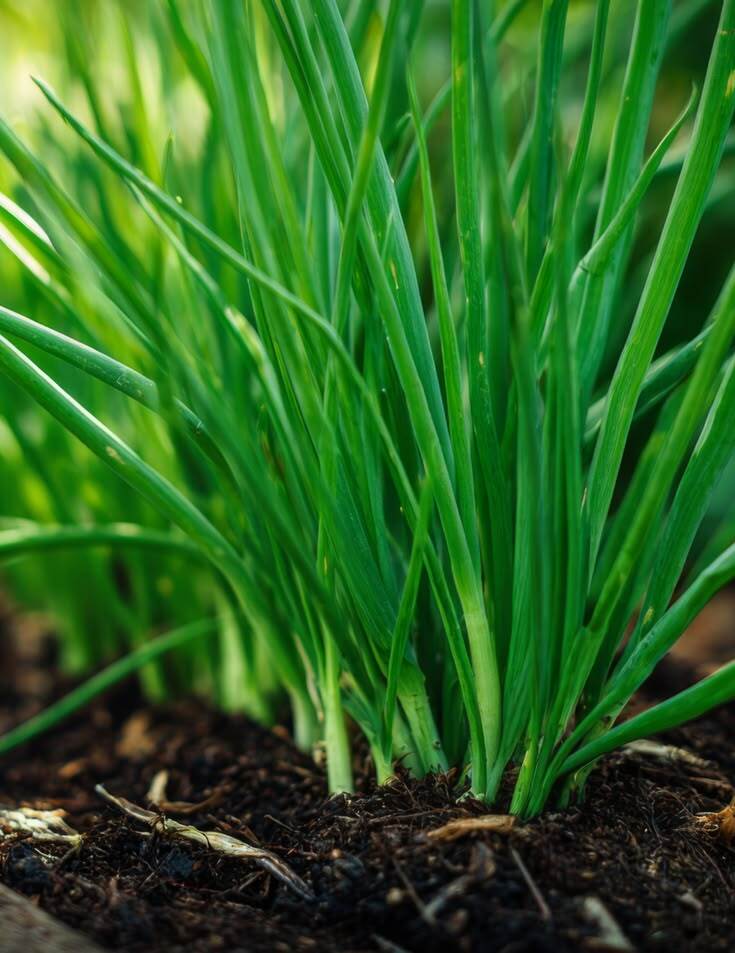
Kucai is a leafy herb plant widely used in Asian cuisine for its mild garlic-like flavor and fresh aroma. The plant grows well in tropical and subtropical environments and is appreciated for both culinary and herbal purposes.
Herbal plants are traditionally valued in Balinese and Indonesian culture for supporting healthy living, natural wellness, and sustainable culinary traditions.
Herb plants contribute to biodiversity, support pollinating insects, and enrich tropical garden ecosystems.
Kucai is commonly used in cooking and is traditionally associated with digestive wellness and natural nutritional benefits.
Common Culinary Herb Species
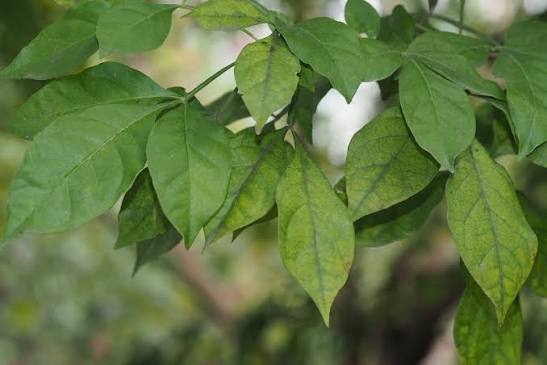
Cempaka is a fragrant tropical flowering tree admired for its beautiful blossoms and soothing aroma. The flower is widely appreciated across Bali for its elegance, spiritual symbolism, and calming natural fragrance.
Cempaka flowers are considered sacred in Balinese Hindu culture and are commonly used in temple offerings, prayer rituals, and traditional ceremonies. The flower symbolizes purity, sincerity, beauty, and spiritual devotion.
The fragrant flowers attract pollinators such as bees and butterflies, helping support the local ecosystem and biodiversity. Its dense foliage also contributes to natural shade and cooling in tropical gardens.
The natural fragrance of cempaka flowers is often associated with relaxation and aromatherapy. Traditionally, the flowers are used to create calming environments and are appreciated for their soothing scent during spiritual and wellness rituals.
Common Tropical Flowering Species
Kamboja is one of Bali’s most iconic tropical flowering trees, admired for its fragrant blossoms and elegant appearance. The flowers bloom in various colors and are strongly associated with the beauty and spirituality of Balinese culture.
Frangipani flowers are widely used in Balinese offerings, temple ceremonies, and traditional decorations. The flower symbolizes purity, spirituality, beauty, and devotion.
The fragrant flowers attract butterflies, bees, and pollinators, helping support biodiversity within tropical ecosystems. The tree also contributes to shade and natural landscaping beauty.
The soothing fragrance of Kamboja flowers is often associated with relaxation and wellness. The flowers are commonly used in spa decorations, aromatherapy settings, and traditional floral arrangements.
Common Tropical Sacred Flowering Tree
Tunjang Langit, commonly known as the Traveler’s Palm, is a striking tropical plant admired for its dramatic fan-shaped leaves and architectural appearance. Its unique structure creates a strong visual statement in tropical gardens and resort landscapes.
Large tropical plants with elegant forms are often appreciated in Balinese landscaping for representing harmony, beauty, and the grandeur of nature. Their presence enhances the peaceful atmosphere of tropical environments.
The plant contributes to biodiversity, provides shade, and supports tropical ecosystems by helping maintain humidity and greenery within landscaped areas.
The lush tropical appearance of the Traveler’s Palm helps create calming natural surroundings that support relaxation and wellness-focused experiences.
Common Ornamental Tropical Plant Species
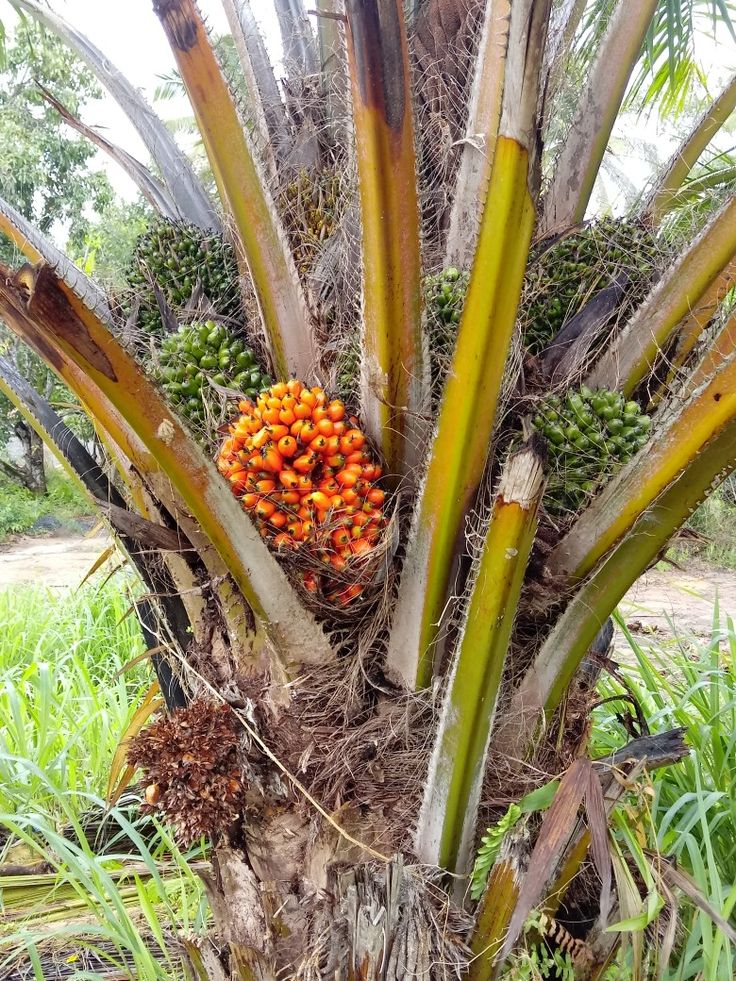
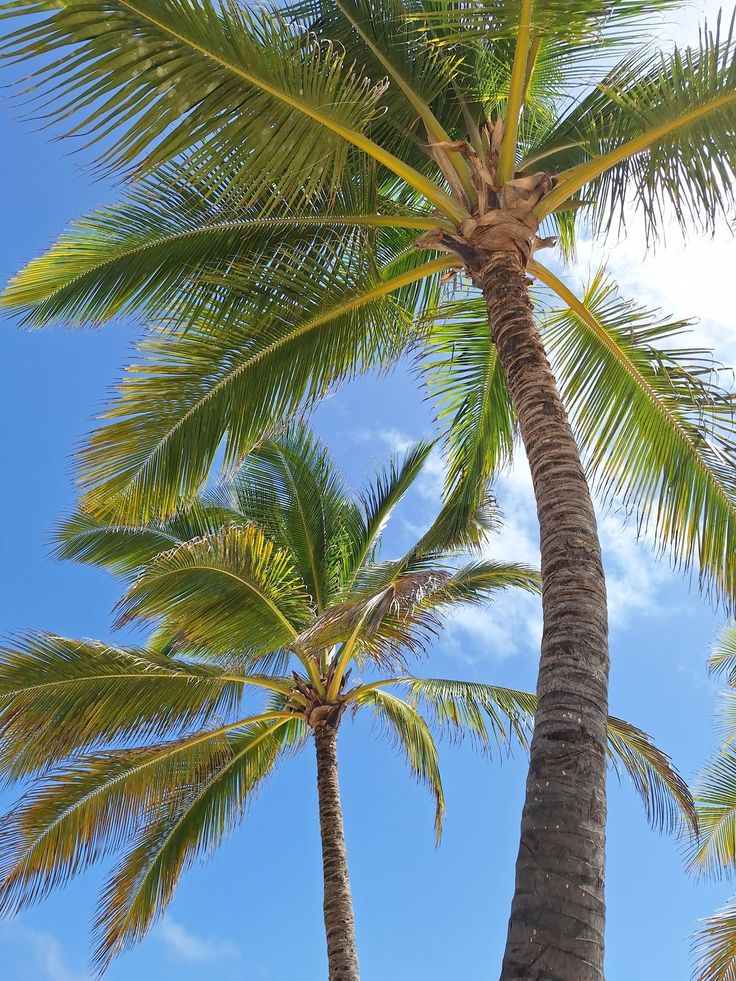
The Sugar Palm is a tropical palm species valued for its sweet sap, strong fibers, and traditional uses. The tree is commonly found in tropical forests and rural landscapes across Indonesia.
Palm trees such as Aren are traditionally connected to rural life, sustainability, and natural resourcefulness in Indonesian culture. The tree represents abundance and the practical relationship between humans and nature.
Aren trees help support biodiversity, improve soil stability, and contribute to the tropical ecosystem through their dense foliage and habitat value.
The sap of the Aren tree is traditionally processed into palm sugar and local beverages. Various parts of the tree are also used in handicrafts, roofing, and traditional culinary practices.
Traditional Tropical Palm Species