Coconut Tree

Local Name

Pohon Kelapa

Scientific Name

Cocos nucifera

Family

Arecaceae

Description :

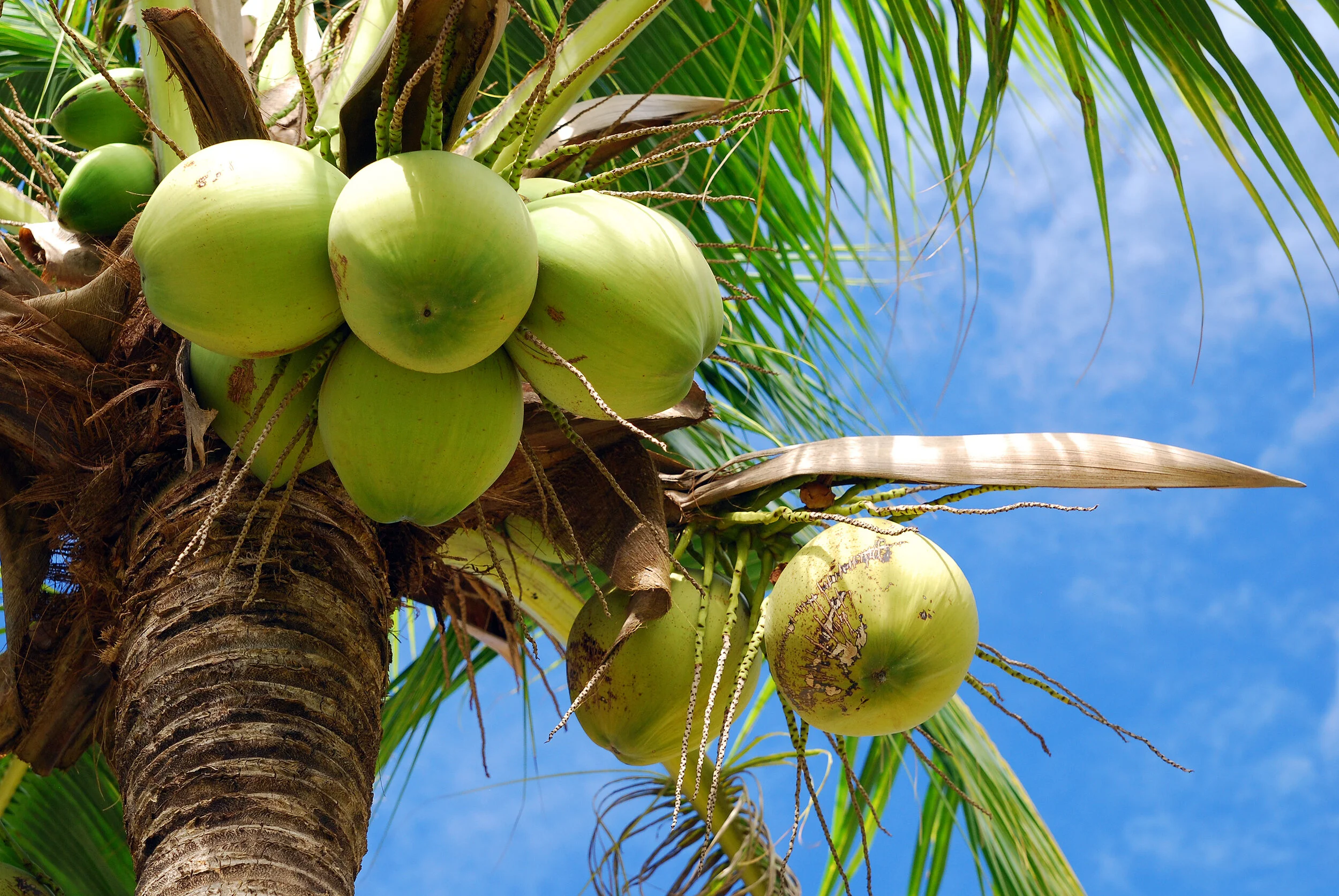
The coconut tree is a highly versatile tropical plant often known as the “Tree of Life” because nearly every part of the tree can be utilized for daily living, food, wellness, traditional ceremonies, and handicrafts. Thriving in tropical climates such as Bali, the coconut tree has become an essential part of the island’s natural landscape and cultural heritage.

Cultural Meaning (Bali) :

In Balinese culture, the coconut tree holds deep spiritual and ceremonial significance. Coconuts, young leaves, and other parts of the tree are commonly used in daily offerings (Canang Sari), temple ceremonies, purification rituals, traditional decorations, and various religious activities. The coconut tree symbolizes purity, harmony, gratitude, and the strong connection between humans and nature.

Ecological Importance :

Coconut trees help create natural shade, maintain tropical humidity, improve air quality, and support habitats for birds and insects. Their root systems also contribute to soil stability and help reduce erosion in tropical environments.

Wellness / Traditional Benefits :

Coconut water is widely known as a natural hydrating drink rich in electrolytes. Coconut oil is traditionally used for massage, hair treatment, and skin care. Coconut flesh is commonly used in Balinese cuisine, while the leaves and shells are utilized for traditional crafts and ceremonial purposes.

Interesting Facts :

• Often referred to as the “Tree of Life” because almost every part can be used.
• Coconut trees can live for more than 60 years.
• A mature tree can produce dozens of coconuts annually.
• Young coconut leaves are frequently woven into Balinese ceremonial decorations.
• Coconut trees are considered one of the iconic symbols of tropical Indonesia.

Conservation Status :

Common Tropical Species / Widely Cultivated Species

Local Name

Latin Name

English Name

Bali Name

Type

Other Flora

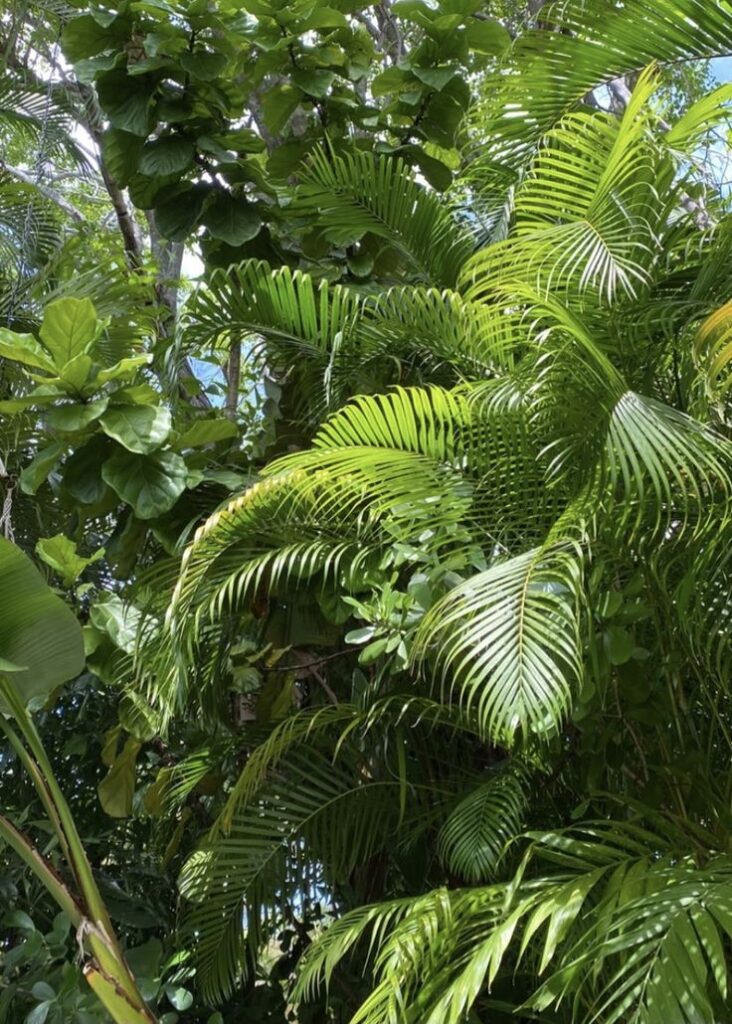
Areca Palm / Betel Nut Palm

Description :

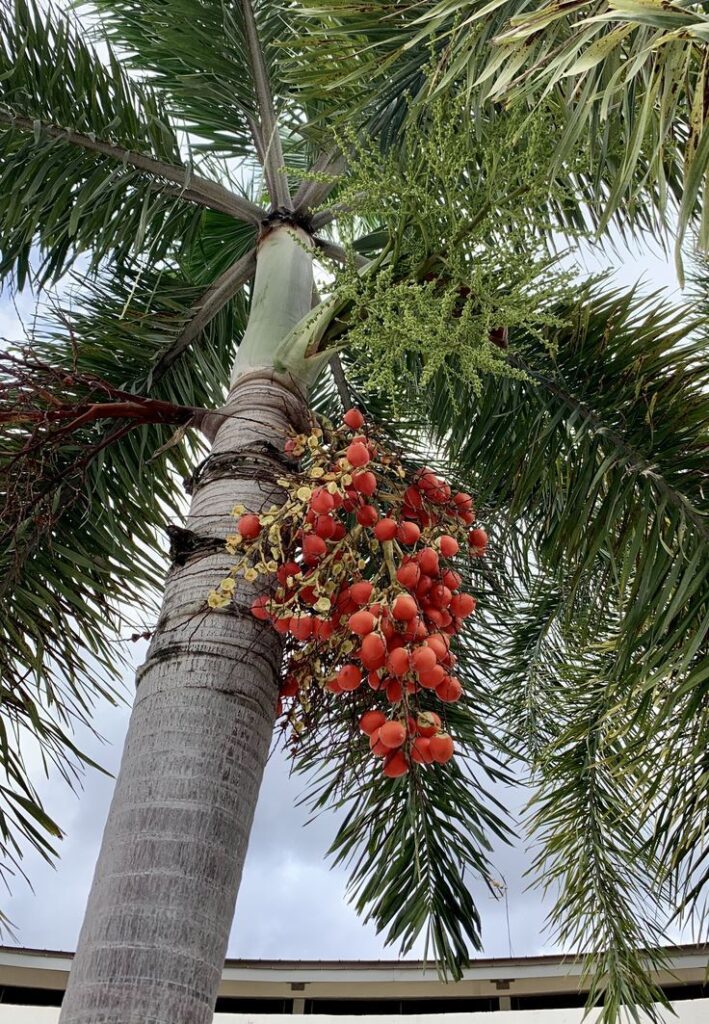
Pinang is a slender tropical palm tree widely recognized for its smooth trunk and bright orange fruit known as betel nut. The tree is commonly found in tropical landscapes and traditional village environments throughout Indonesia.

Cultural Meaning (Bali) :

Pinang has long been associated with hospitality, traditional customs, and ceremonial practices in many Indonesian cultures. Palm species also symbolize prosperity, tropical abundance, and harmony with nature in Balinese landscapes.

Ecological Importance :

Pinang trees help support biodiversity, improve air quality, and contribute to tropical greenery. Their vertical growth pattern makes them ideal for maintaining open yet shaded landscapes.

Wellness / Traditional Benefits :

Traditionally, betel nut has been used in cultural practices and herbal preparations in various parts of Asia. The tree also contributes to the calming ambiance of tropical garden settings.

Interesting Facts :

  • Pinang palms can grow tall and slender in tropical climates.
  • The fruit is commonly known as betel nut.
  • The tree is widely cultivated across Southeast Asia.
  • Pinang palms are popular ornamental plants in tropical resorts.

Conservation Status :

Common Tropical Palm Species

See Detail

Tropical Forest Tree

Description :

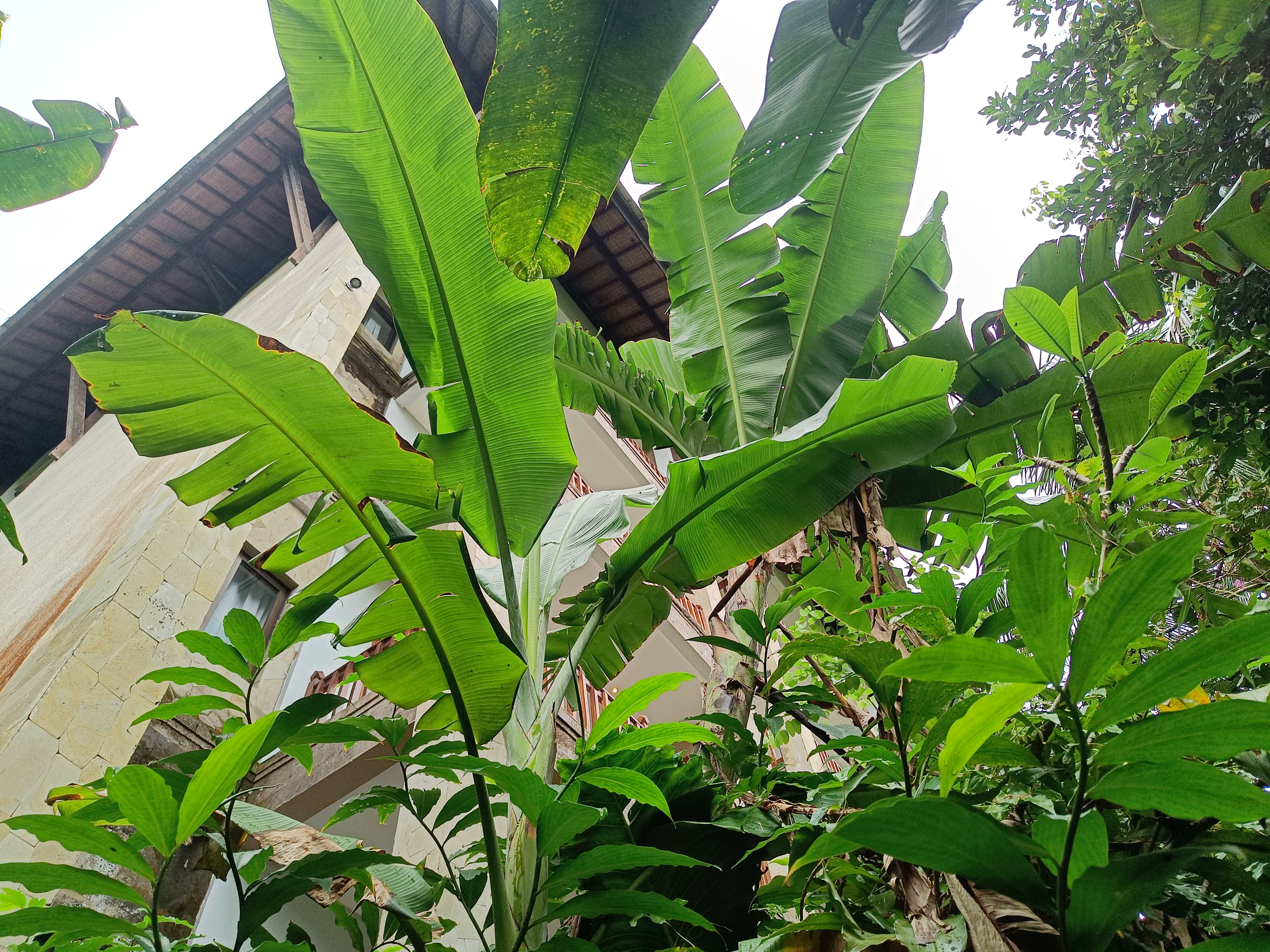
Lemputu is a tropical tree species commonly found in lush Balinese environments and traditional landscapes. The tree contributes to the rich biodiversity and natural beauty of tropical ecosystems around Ubud.

Cultural Meaning (Bali) :

Native tropical trees are traditionally respected in Balinese culture as important elements of environmental harmony and spiritual balance. Trees play an essential role in preserving the natural connection between humans and nature.

Ecological Importance :

The tree supports biodiversity by providing shade, oxygen production, and habitat for birds, insects, and other tropical wildlife. It also contributes to maintaining a cooler and healthier environment.

Wellness / Traditional Benefits :

Large tropical trees help create peaceful natural surroundings that support relaxation, mindfulness, and wellness-oriented experiences in tropical resort settings.

Interesting Facts :

  • Tropical trees are essential to maintaining Bali’s lush green landscapes.
  • Mature trees help regulate temperature and humidity naturally.
  • Trees contribute significantly to cleaner air and environmental comfort.
  • Ubud’s tropical identity is strongly connected to its rich vegetation.

Conservation Status :

Common Tropical Tree Species / Further Botanical Identification Recommended

See Detail

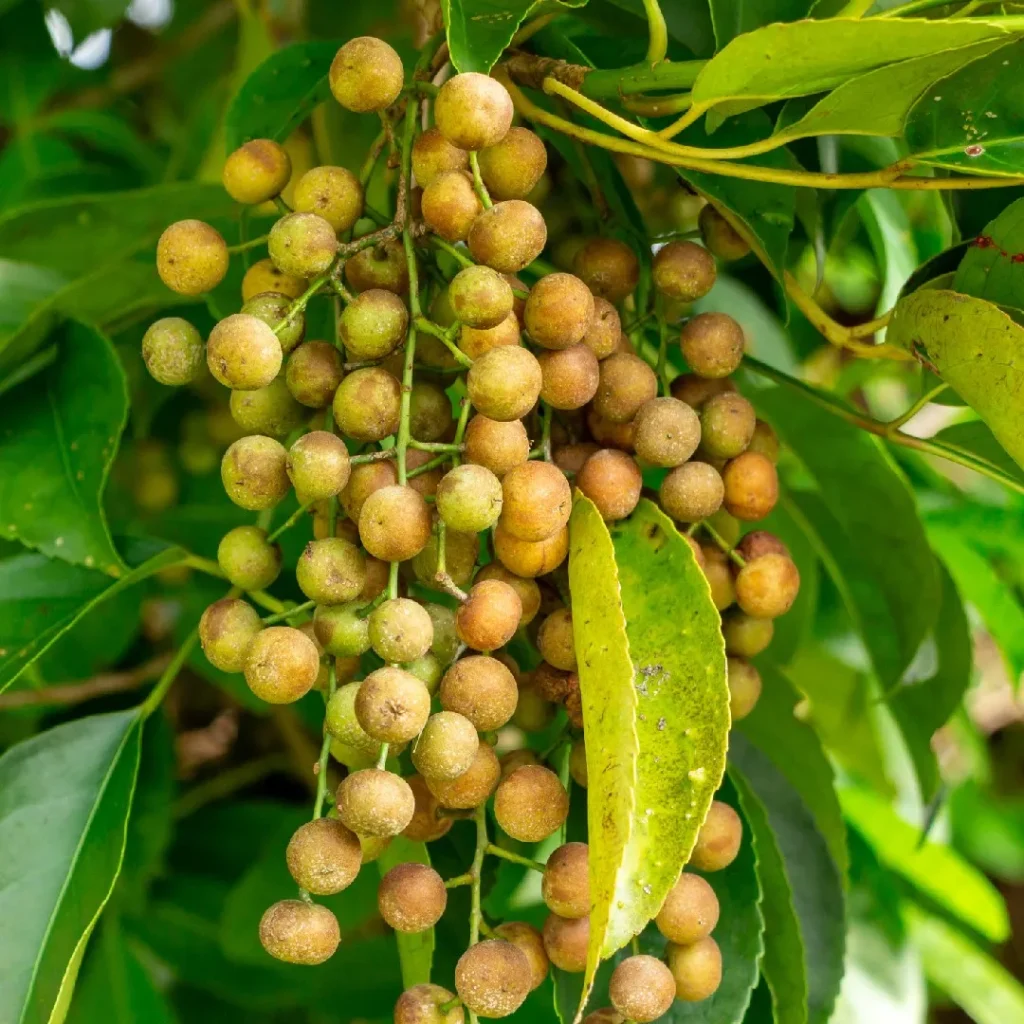
Bignay Tree

A fruit-bearing forest tree that attracts birds and small wildlife.
See Detail

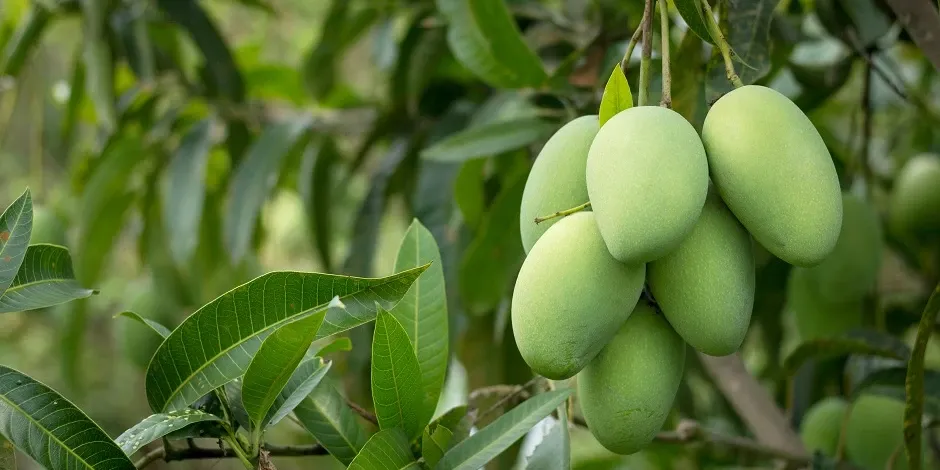
White Mango

Description :

Wani is a rare tropical fruit tree native to Bali and several parts of Indonesia. Closely related to the mango, the fruit is known for its pale flesh, fragrant aroma, and unique sweet taste. Wani is considered one of Bali’s distinctive local tropical fruits.

Cultural Meaning (Bali) :

Wani fruit is closely connected to Balinese agricultural heritage and traditional village life. Local fruit trees are valued as symbols of abundance, sustainability, and the island’s deep relationship with nature.

Ecological Importance :

The tree supports tropical biodiversity by providing food sources for birds and insects while contributing to the greenery and ecological balance of tropical landscapes.

Wellness / Traditional Benefits :

Wani fruit contains natural nutrients and is traditionally enjoyed fresh as part of Bali’s tropical culinary culture. Fruit-bearing trees also contribute to healthier and more sustainable environments.

Interesting Facts :

  • Wani is considered a unique fruit native to Bali.
  • The fruit has a fragrant aroma and creamy texture.
  • It is closely related to the common mango.
  • Wani trees are becoming increasingly rare in some areas.

Conservation Status :

Traditional Local Tropical Fruit Species / Limited Cultivation Areas

See Detail

Bishop Wood Tree

A tall tropical tree providing natural shade and a true jungle ambience.
See Detail

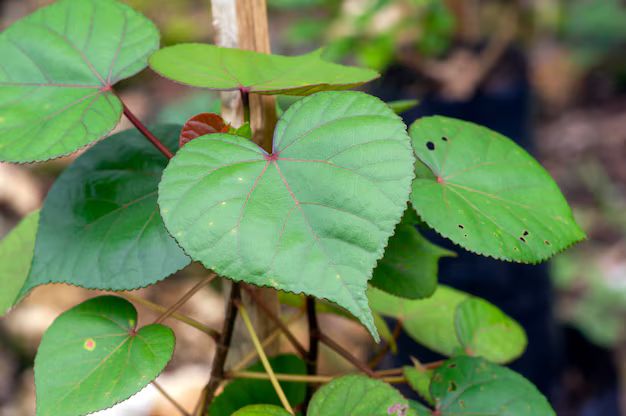
Waru

A shade-giving tree with heart-shaped leaves, commonly found across Bali.
See Detail