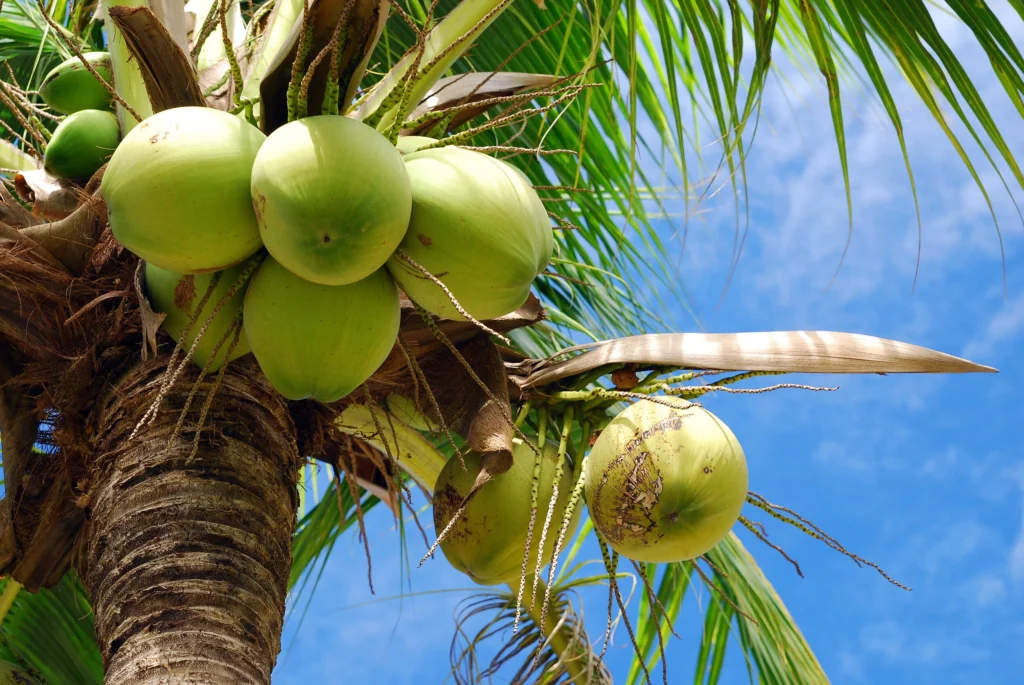
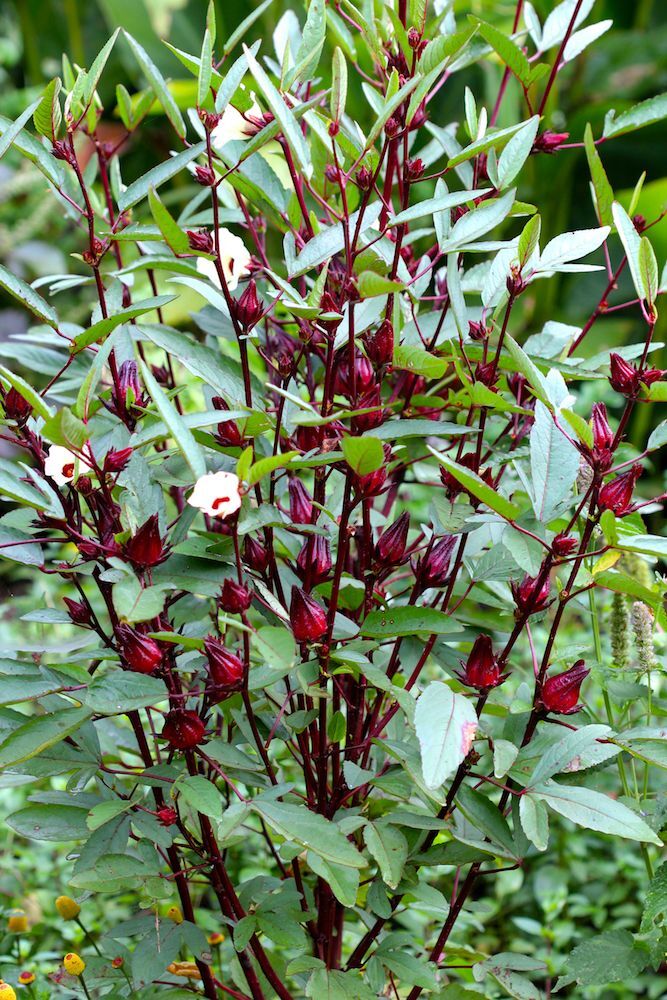
A fruit-bearing forest tree that attracts birds and small wildlife.
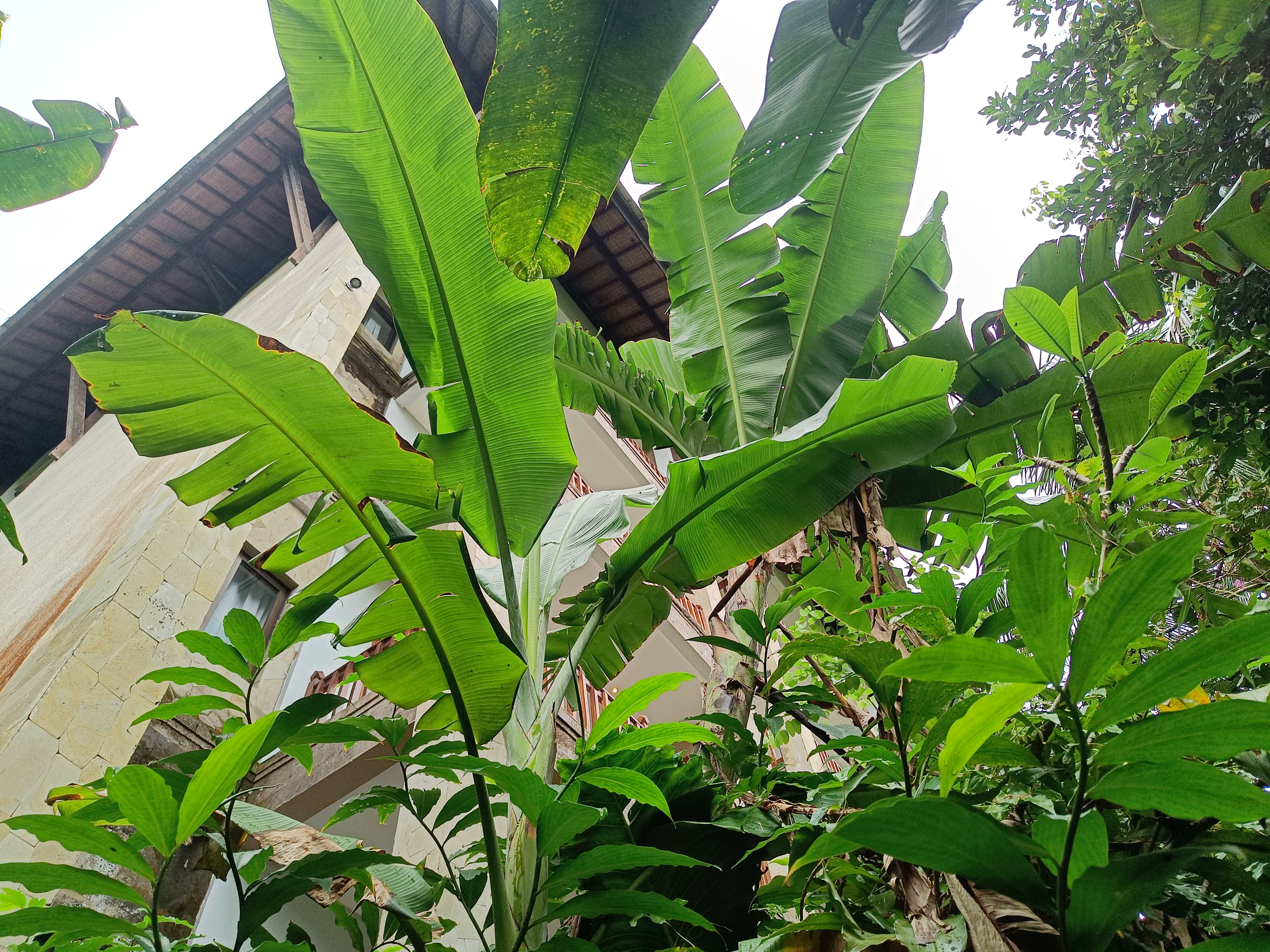
Pisang is a tropical fruit-bearing plant widely cultivated throughout Bali and Indonesia. Known for its broad green leaves and nutritious fruit, the banana plant plays an important role in tropical agriculture, culinary traditions, and cultural practices.
Banana leaves and fruits are commonly used in Balinese offerings, ceremonies, and traditional food presentation. The plant symbolizes abundance, prosperity, and the strong relationship between nature and daily life.
Banana plants help maintain soil moisture, support biodiversity, and contribute to the lush greenery of tropical ecosystems. Their large leaves also help create cooler surrounding environments.
Bananas are rich in nutrients and are widely consumed as part of healthy tropical diets. Banana leaves are also traditionally used as natural food wrappers and serving materials.
Common Tropical Fruit Plant Species
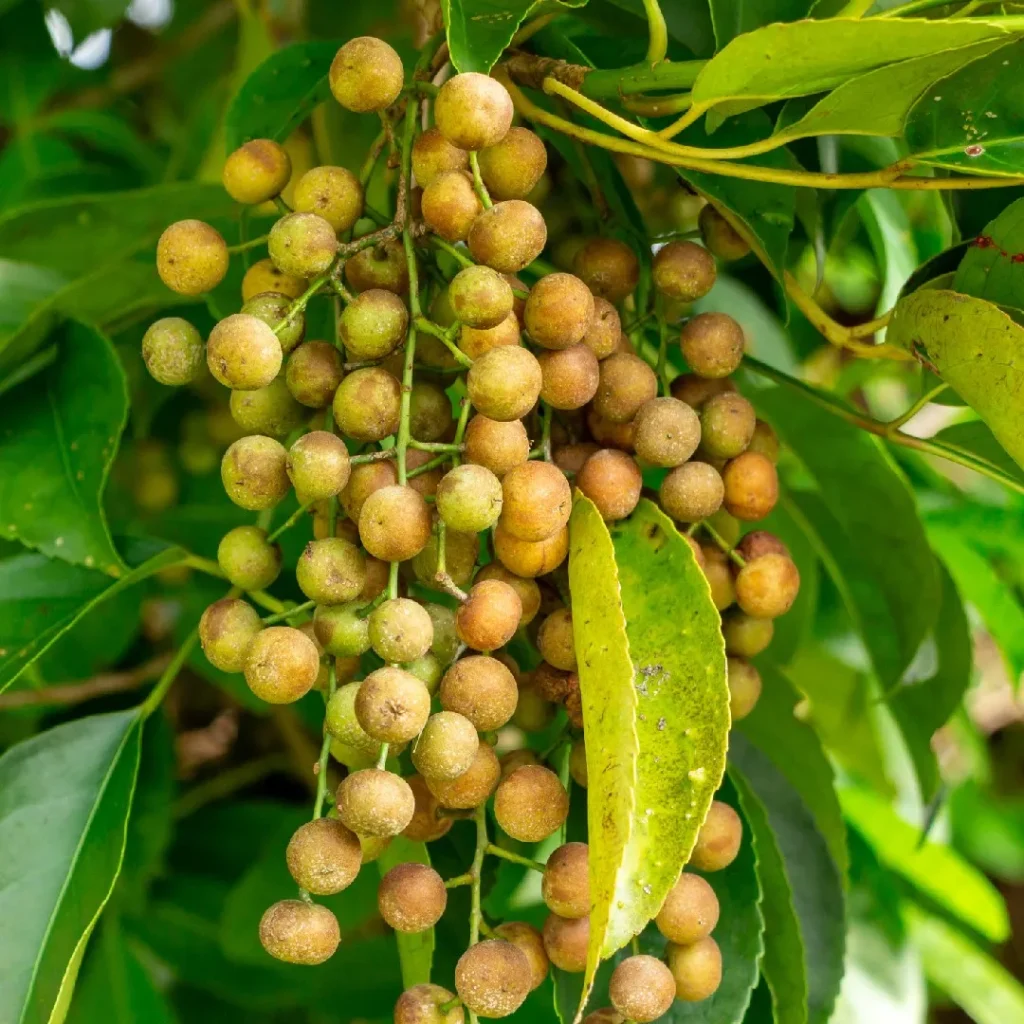
Gintungan is a tropical tree species commonly found in lush Balinese landscapes and natural environments. The tree contributes to the richness of tropical vegetation and enhances the serene atmosphere of resort gardens.
Trees native to Bali’s tropical environment are often respected as important elements of harmony between humans and nature. Tropical vegetation plays an essential role in maintaining the spiritual and ecological balance of Balinese landscapes.
The tree contributes to biodiversity, supports natural habitats for insects and birds, and helps maintain tropical environmental balance through shade and oxygen production.
Tropical trees help create peaceful and refreshing natural surroundings that support relaxation, mindfulness, and wellness-oriented experiences within resort environments.
Common Tropical Tree Species / Further Botanical Identification Recommended
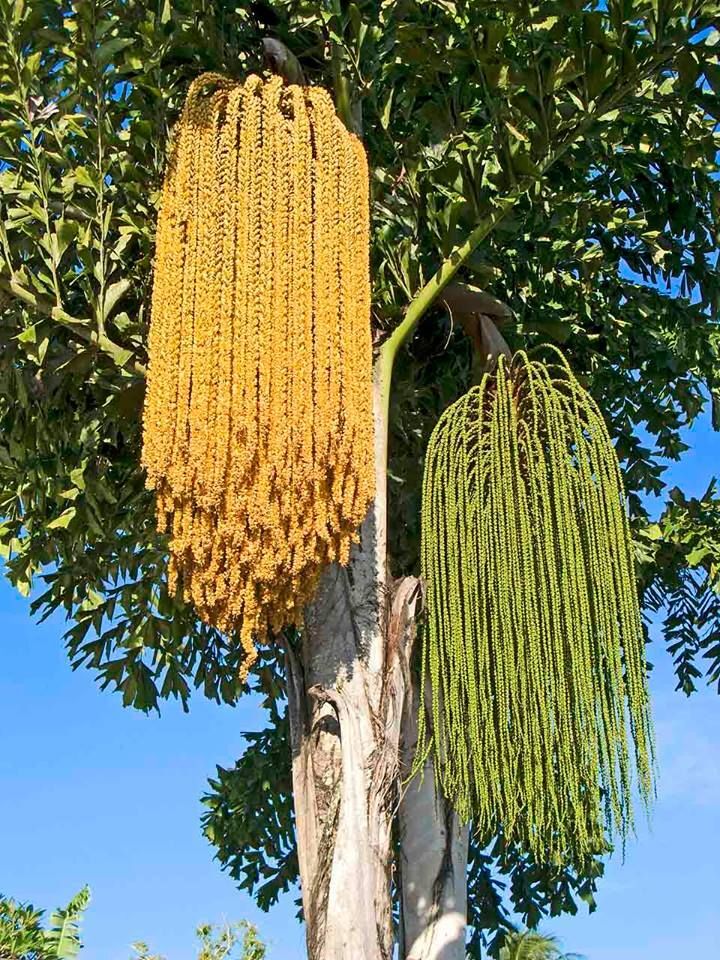
Kacang-kacangan refers to various legume plants commonly grown in tropical regions for food, ground cover, and ecological purposes. These plants are important components of sustainable tropical agriculture.
Legume crops are traditionally connected to local farming culture and sustainable food systems in Bali and Indonesia. They symbolize nourishment, productivity, and the relationship between humans and the land.
Legume plants help improve soil fertility through natural nitrogen fixation while supporting biodiversity and sustainable ecosystems.
Legumes are rich in protein, fiber, and nutrients and are widely consumed as part of healthy traditional diets.
Common Agricultural Plant Species
Wani is a rare tropical fruit tree native to Bali and several parts of Indonesia. Closely related to the mango, the fruit is known for its pale flesh, fragrant aroma, and unique sweet taste. Wani is considered one of Bali’s distinctive local tropical fruits.
Wani fruit is closely connected to Balinese agricultural heritage and traditional village life. Local fruit trees are valued as symbols of abundance, sustainability, and the island’s deep relationship with nature.
The tree supports tropical biodiversity by providing food sources for birds and insects while contributing to the greenery and ecological balance of tropical landscapes.
Wani fruit contains natural nutrients and is traditionally enjoyed fresh as part of Bali’s tropical culinary culture. Fruit-bearing trees also contribute to healthier and more sustainable environments.
Traditional Local Tropical Fruit Species / Limited Cultivation Areas