God’s Crown Plant

Local Name

Mahkota Dewa

Scientific Name

Phaleria macrocarpa

Family

Thymelaeaceae

Description :

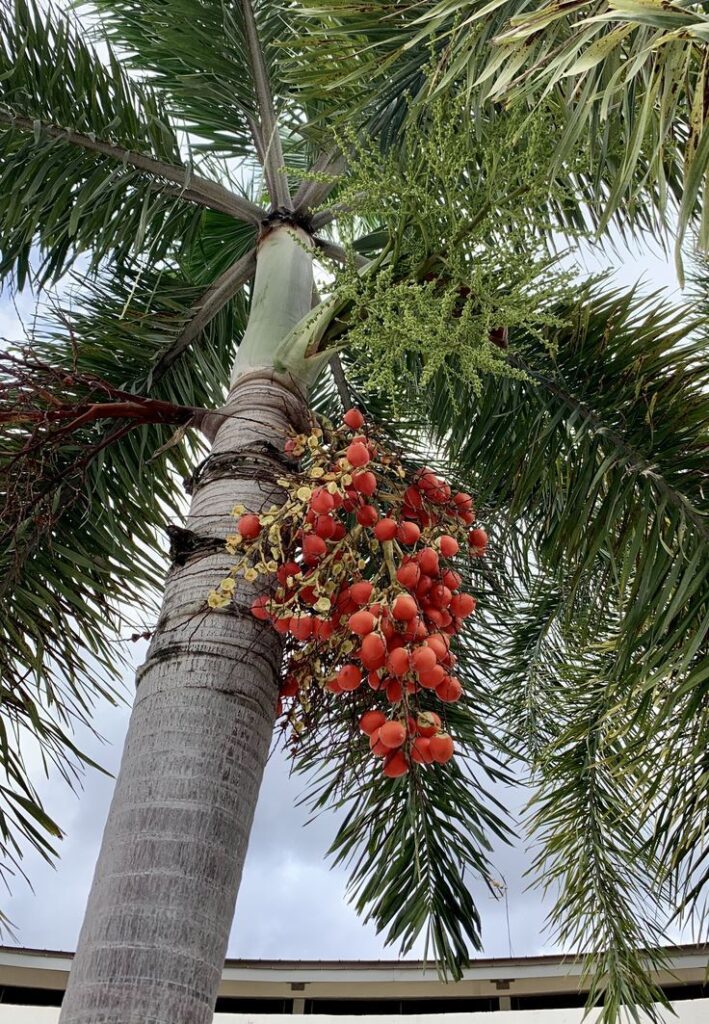
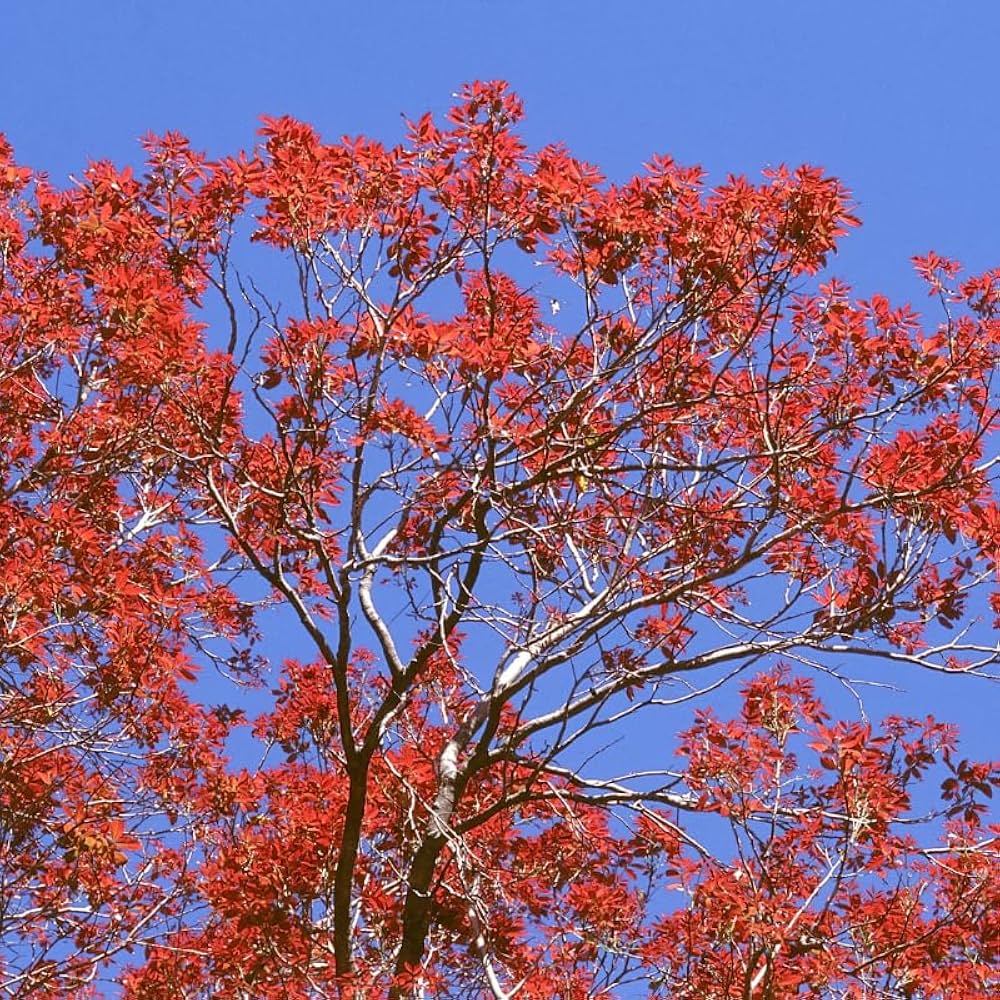
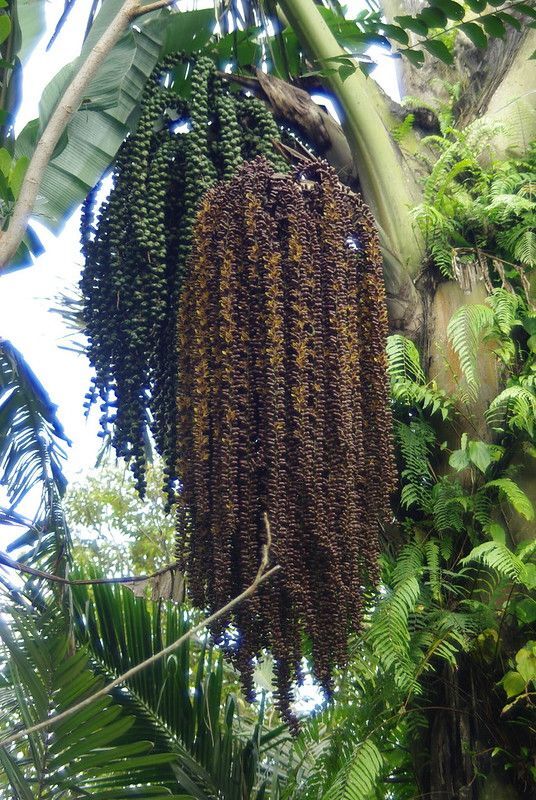
Mahkota Dewa is a medicinal tropical plant native to Indonesia, recognized for its bright red fruit and traditional herbal value. The plant is widely appreciated for both its ornamental appearance and its long history in natural wellness practices.

Cultural Meaning (Bali) :

Medicinal plants are highly respected in Balinese traditional knowledge and wellness culture. Mahkota Dewa represents the close relationship between nature and holistic healing practices within Indonesian heritage.

Ecological Importance :

The plant contributes to biodiversity and supports tropical garden ecosystems by providing greenery and habitat for small insects and pollinators.

Wellness / Traditional Benefits :

Mahkota Dewa has long been used in traditional herbal practices in Indonesia. Various parts of the plant are believed to support wellness when properly processed and traditionally prepared.

Interesting Facts :

  • The fruit changes from green to bright red when ripe.
  • Mahkota Dewa is widely known in Indonesia as a traditional medicinal plant.
  • Despite its medicinal reputation, some parts of the fruit should not be consumed raw.
  • The plant is often cultivated as both a wellness and ornamental species.

Conservation Status :

Traditional Medicinal Tropical Plant Species

Local Name

Latin Name

English Name

Bali Name

Type

Other Flora

Tropical Almond Tree

Description :

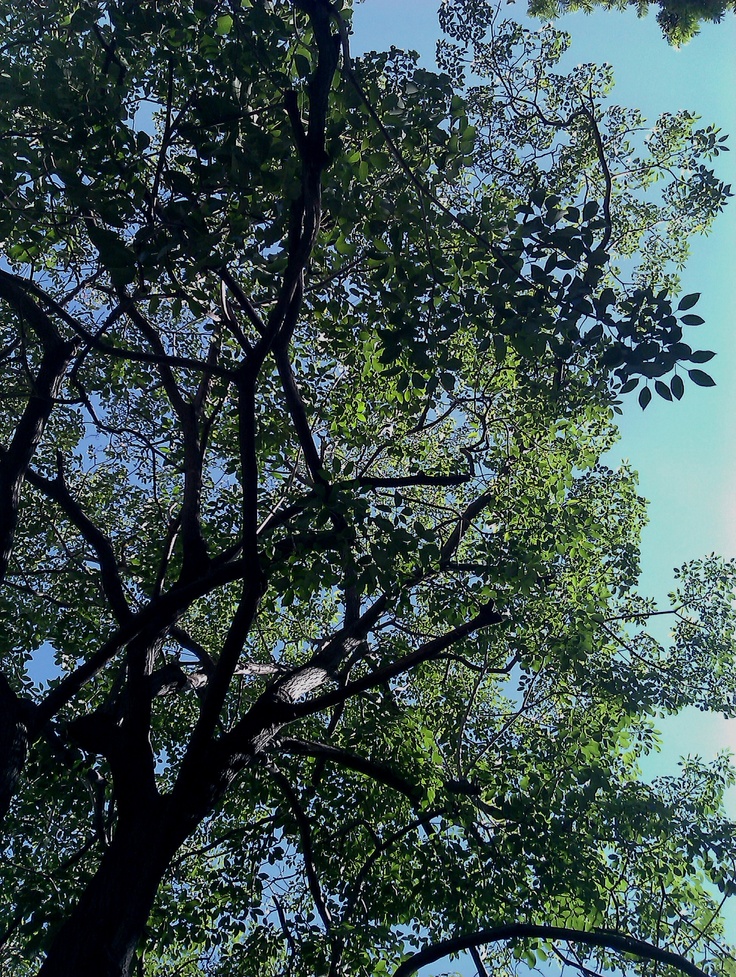
Ketapang is a large tropical shade tree recognized for its broad layered branches and seasonal color-changing leaves. The tree is widely planted in tropical landscapes for shade and environmental cooling.

Cultural Meaning (Bali) :

Shade trees such as Ketapang are valued in Balinese culture for creating peaceful communal spaces and maintaining harmony with the natural environment.

Ecological Importance :

Ketapang trees provide extensive shade, help reduce heat, improve air quality, and support habitats for birds and insects. Their fallen leaves also contribute nutrients back into the soil ecosystem.

Wellness / Traditional Benefits :

The calming shade and natural beauty of Ketapang trees help create relaxing outdoor spaces that support wellness and mindfulness experiences.

Interesting Facts :

  • Ketapang leaves change color before falling, similar to seasonal trees.
  • The tree can grow very wide and provide extensive shade.
  • The seeds are edible and resemble almonds.
  • Ketapang trees are commonly planted along tropical beaches and parks.

Conservation Status :

Common Tropical Shade Tree Species

See Detail

African Tulip Tree

Known for its vibrant orange-red blooms, bringing striking color to the jungle landscape.
See Detail

Banana Plant

Description :

Pisang is a tropical fruit-bearing plant widely cultivated throughout Bali and Indonesia. Known for its broad green leaves and nutritious fruit, the banana plant plays an important role in tropical agriculture, culinary traditions, and cultural practices.

Cultural Meaning (Bali) :

Banana leaves and fruits are commonly used in Balinese offerings, ceremonies, and traditional food presentation. The plant symbolizes abundance, prosperity, and the strong relationship between nature and daily life.

Ecological Importance :

Banana plants help maintain soil moisture, support biodiversity, and contribute to the lush greenery of tropical ecosystems. Their large leaves also help create cooler surrounding environments.

Wellness / Traditional Benefits :

Bananas are rich in nutrients and are widely consumed as part of healthy tropical diets. Banana leaves are also traditionally used as natural food wrappers and serving materials.

Interesting Facts :

  • Despite its size, the banana plant is technically classified as a giant herb rather than a tree.
  • Almost every part of the banana plant can be utilized.
  • Banana leaves are commonly used in traditional Balinese cuisine and ceremonies.
  • Banana plants grow very quickly in tropical climates.

Conservation Status :

Common Tropical Fruit Plant Species

See Detail

Bamboo

Description :

Bamboo is a fast-growing tropical grass species admired for its strength, flexibility, and sustainability. Commonly found throughout Bali, bamboo has long been used in traditional architecture, art, and daily life. Its elegant appearance also enhances the tranquil ambiance of tropical landscapes.

Cultural Meaning (Bali) :

In Bali, bamboo plays an important role in ceremonies, traditional decorations, and community life. It is widely used for making penjor, ceremonial ornaments placed during Balinese Hindu celebrations. Bamboo symbolizes resilience, harmony, and balance with nature.

Ecological Importance :

Bamboo helps prevent soil erosion, improves soil stability, absorbs carbon dioxide efficiently, and supports biodiversity. Its rapid growth also makes bamboo one of the most sustainable natural resources in tropical ecosystems.

Wellness / Traditional Benefits :

Young bamboo shoots are edible and commonly used in traditional cuisine. Bamboo forests are also known to create calming environments that support relaxation, mindfulness, and wellness experiences.

Interesting Facts :

Bamboo is one of the fastest-growing plants in the world.
Some bamboo species can grow several centimeters in a single day.
Bamboo has been used for centuries in Balinese construction and handicrafts.
Despite its tree-like appearance, bamboo is technically a type of grass.

Conservation Status :

Common Tropical Species / Sustainable Plant Resource

See Detail

Bignay Tree

A fruit-bearing forest tree that attracts birds and small wildlife.
See Detail

Sea Hibiscus

Description :

Waru is a tropical flowering tree known for its heart-shaped leaves and soft yellow flowers that gradually change color throughout the day. The tree is commonly found in tropical coastal and riverside environments.

Cultural Meaning (Bali) :

In Balinese culture, tropical trees such as Waru are appreciated for their beauty, environmental importance, and connection to nature. The tree symbolizes harmony, protection, and natural balance.

Ecological Importance :

Waru trees help stabilize soil, provide shade, improve air quality, and support biodiversity by attracting birds and pollinators. Their broad canopy contributes to cooler tropical surroundings.

Wellness / Traditional Benefits :

Various parts of the tree have traditionally been associated with herbal and natural uses in tropical communities. Its calming appearance also supports wellness-oriented landscapes.

Interesting Facts :

  • Waru flowers change color as they mature.
  • The tree grows well in humid tropical climates.
  • Its large leaves create excellent natural shade.
  • Waru trees are often found near rivers and coastal areas.

Conservation Status :

Common Tropical Tree Species

See Detail