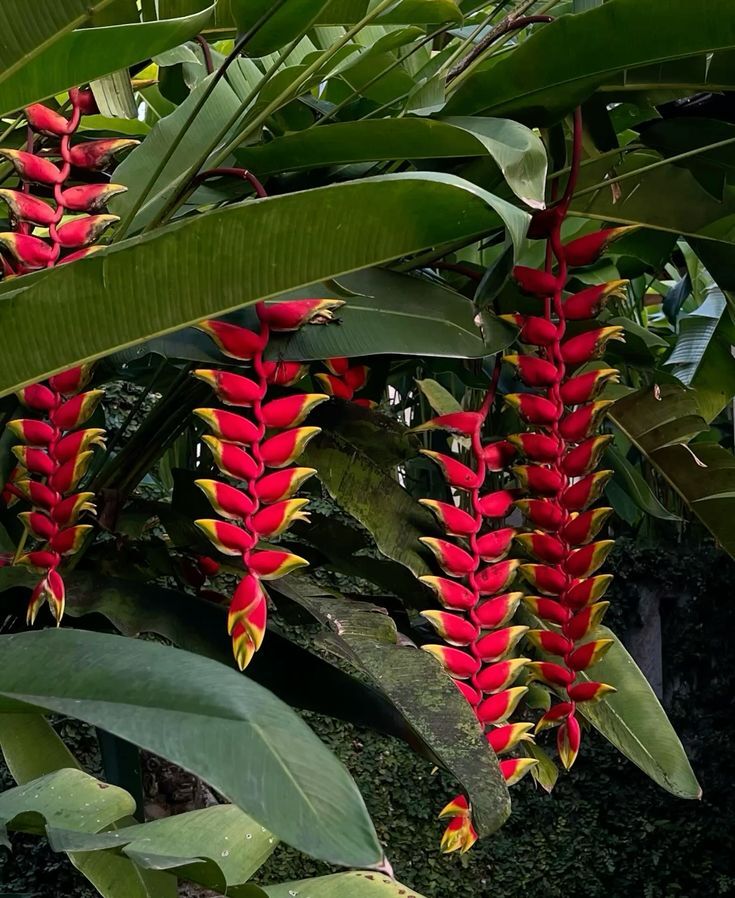
Heliconia

Local Name

Heliconia

Scientific Name

Heliconia spp.

Family

Heliconiaceae

Description :

Heliconia is a striking tropical ornamental plant recognized for its colorful hanging flowers and lush foliage. Its dramatic appearance adds vibrant beauty to tropical gardens and resort landscapes.

Cultural Meaning (Bali) :

Colorful tropical plants are appreciated in Balinese landscaping for creating harmony, beauty, and a welcoming natural environment. Ornamental flowers symbolize tropical vitality and elegance.

Ecological Importance :

Heliconia flowers attract pollinators such as birds, butterflies, and insects, helping support biodiversity within tropical ecosystems.

Wellness / Traditional Benefits :

The plant’s vibrant appearance contributes to uplifting and calming tropical environments that support relaxation and wellness experiences.

Interesting Facts :

  • Heliconia flowers are known for their unusual claw-like shapes.
  • The plant thrives in warm and humid tropical climates.
  • Some species attract hummingbird-like pollinators in tropical regions.
  • Heliconia is widely used in tropical landscape design.

Conservation Status :

Common Tropical Ornamental Plant Species

Local Name

Latin Name

English Name

Bali Name

Type

Other Flora

Mango Tree

Description :

Mangga is a popular tropical fruit tree admired for its sweet fruit, dense canopy, and refreshing shade. Mango trees thrive in warm climates and are commonly found in tropical gardens, villages, and agricultural landscapes throughout Bali and Indonesia.

Cultural Meaning (Bali) :

Fruit-bearing trees are traditionally valued in Balinese culture as symbols of abundance, prosperity, and the harmonious relationship between humans and nature. Mango trees are often planted in family compounds and tropical gardens.

Ecological Importance :

Mango trees support biodiversity by providing food and habitat for birds, insects, and pollinators. Their broad canopy also helps cool the environment and improve air quality.

Wellness / Traditional Benefits :

Mango fruits are rich in vitamins and antioxidants and are widely enjoyed fresh or in tropical dishes and beverages. Traditionally, various parts of the tree have also been associated with natural wellness practices.

Interesting Facts :

  • Mangoes are often called the “King of Tropical Fruits.”
  • A mature mango tree can produce hundreds of fruits annually.
  • Mango trees can live for many decades in tropical climates.
  • The tree provides excellent natural shade in tropical environments.

Conservation Status :

Common Tropical Fruit Tree Species

See Detail

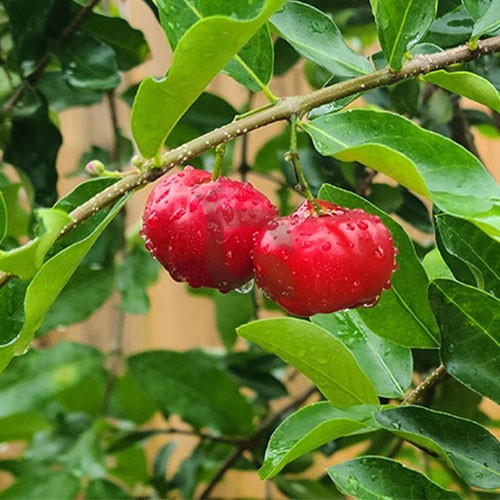
Indian Cherry Tree

A traditional fruit tree that contributes to the biodiversity of the resort.
See Detail

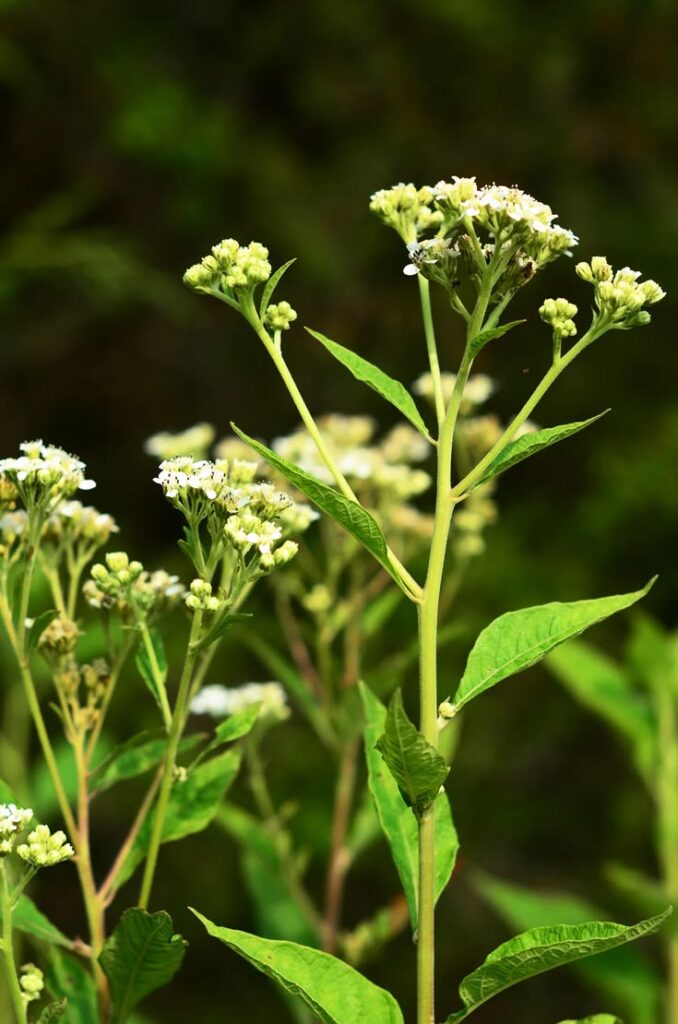
Whitewort Plant

A traditional herbal plant used in local remedies.
See Detail

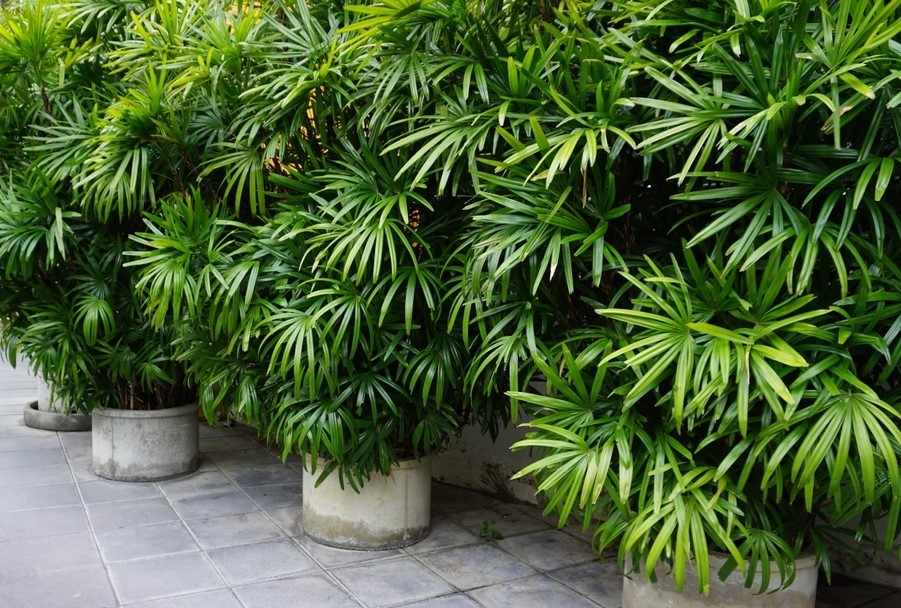
Dwarf Umbrella Tree

A unique shrub with twisted pods, commonly found in Baliโ€™s natural landscapes.
See Detail

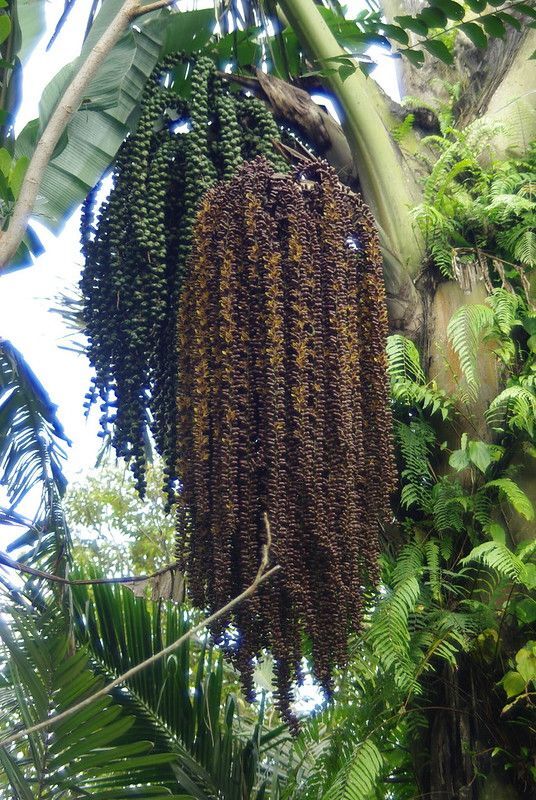
Sugar Palm

Description :

The Sugar Palm is a tropical palm species valued for its sweet sap, strong fibers, and traditional uses. The tree is commonly found in tropical forests and rural landscapes across Indonesia.

Cultural Meaning (Bali) :

Palm trees such as Aren are traditionally connected to rural life, sustainability, and natural resourcefulness in Indonesian culture. The tree represents abundance and the practical relationship between humans and nature.

Ecological Importance :

Aren trees help support biodiversity, improve soil stability, and contribute to the tropical ecosystem through their dense foliage and habitat value.

Wellness / Traditional Benefits :

The sap of the Aren tree is traditionally processed into palm sugar and local beverages. Various parts of the tree are also used in handicrafts, roofing, and traditional culinary practices.

Interesting Facts :

  • Sugar palms can produce natural sweet sap for many years.
  • Palm sugar made from Aren is widely used in Indonesian cuisine.
  • The fibers from the tree are used for ropes and brushes.
  • Aren palms grow naturally in tropical forest environments.

Conservation Status :

Traditional Tropical Palm Species

See Detail

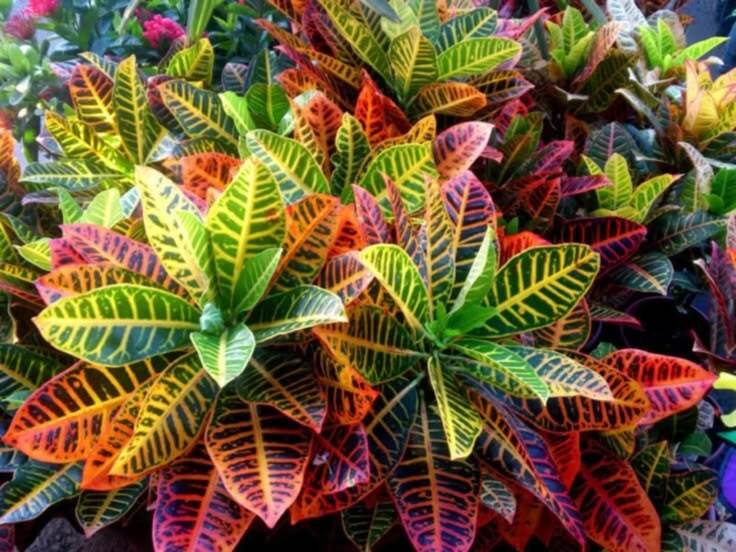
Croton Plant

Description :

Canging is an ornamental tropical plant admired for its colorful leaves and decorative appearance. Its vibrant foliage adds beauty and visual contrast to tropical gardens and landscaped resort environments.

Cultural Meaning (Bali) :

Decorative tropical plants are commonly used in Balinese compounds and garden landscapes to create harmony, beauty, and connection with nature. Colorful foliage plants are often appreciated for enhancing peaceful tropical surroundings.

Ecological Importance :

Ornamental plants contribute to biodiversity, support small insects and pollinators, and improve the aesthetic quality of tropical green spaces. They also help maintain environmental freshness and humidity.

Wellness / Traditional Benefits :

The presence of ornamental tropical plants helps create visually calming environments that support relaxation and wellness experiences. Green landscapes are often associated with stress reduction and mindfulness.

Interesting Facts :

  • Croton plants are famous for their highly colorful leaves.
  • Leaf colors may include green, yellow, orange, red, and purple.
  • Each plant often develops unique leaf patterns.
  • The plant is widely used in tropical garden landscaping.

Conservation Status :

Common Ornamental Tropical Plant

See Detail