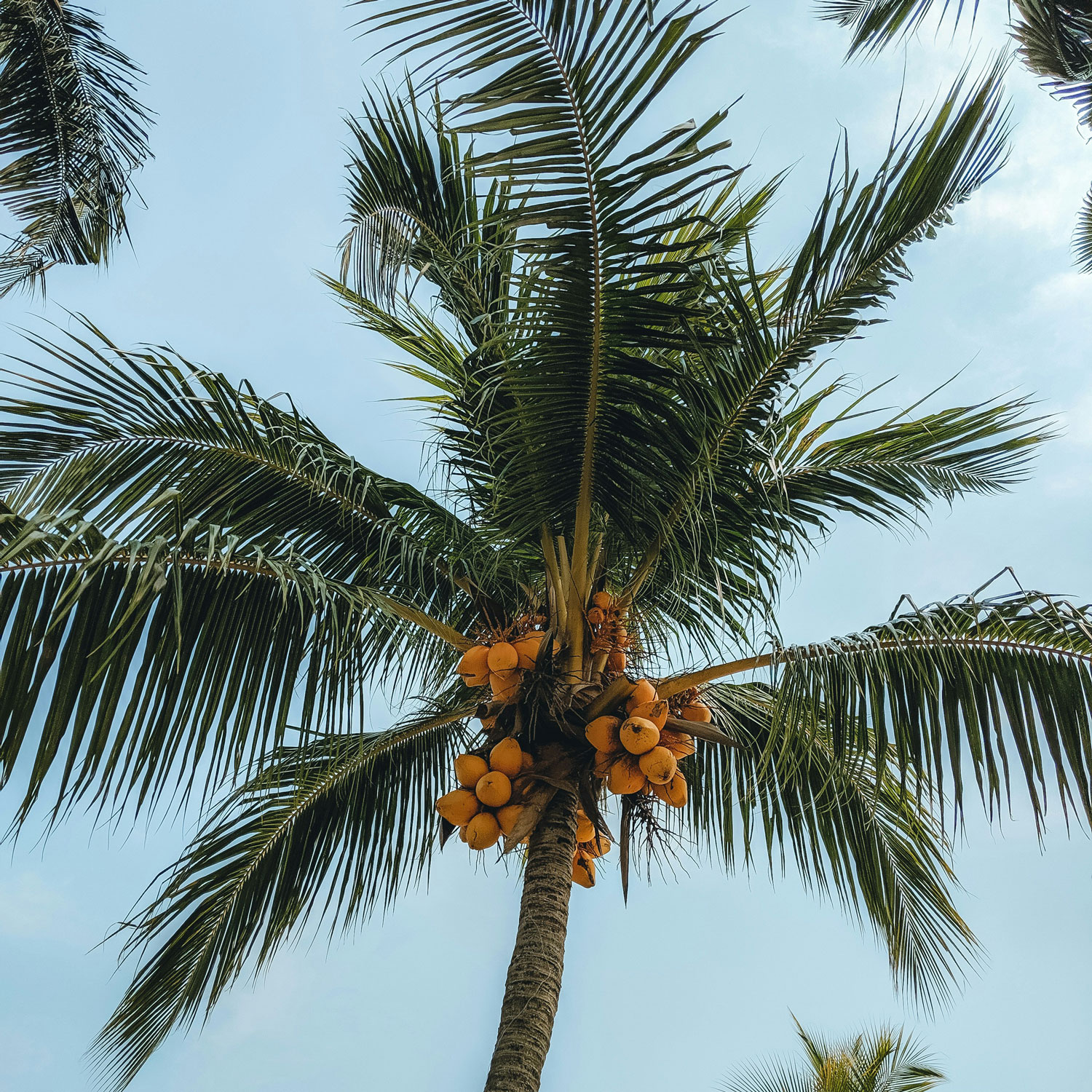
Java Olive Tree

Local Name

Kendal

Scientific Name

Sterculia foetida

Family

Malvaceae

Description :

Kendal is a tropical shade tree known for its tall structure, broad canopy, and ability to thrive in warm climates. The tree contributes to the natural beauty and cooling atmosphere of tropical landscapes.

Cultural Meaning (Bali) :

Large tropical trees are traditionally valued in Balinese culture for providing protection, harmony, and a connection to the natural environment. Trees with strong canopies often symbolize stability and balance.

Ecological Importance :

Kendal trees provide shade, help reduce surrounding temperatures, improve air quality, and support habitats for birds and insects within tropical ecosystems.

Wellness / Traditional Benefits :

The cooling shade and greenery created by large tropical trees help support relaxation and create peaceful wellness-oriented outdoor spaces.

Interesting Facts :

  • Kendal trees can grow quite tall in tropical environments.
  • Their broad canopy creates naturally shaded spaces.
  • Large tropical trees help maintain humidity and cooler air temperatures.
  • Shade trees are essential elements in Balinese tropical landscapes.

Conservation Status :

Common Tropical Shade Tree Species

Local Name

Latin Name

English Name

Bali Name

Type

Other Flora

Rain Tree

Description :

Sana is a large tropical shade tree known for its wide canopy and calming natural presence. Commonly found in tropical landscapes, the tree provides a cooling atmosphere and contributes to the lush greenery often associated with Bali’s natural environment.

Cultural Meaning (Bali) :

Large tropical trees such as Sana are often associated with protection, balance, and harmony with nature in Balinese culture. Trees with expansive canopies are traditionally valued for creating peaceful communal spaces and natural gathering areas.

Ecological Importance :

The tree provides significant shade, improves air quality, supports biodiversity, and creates habitat for birds and insects. Its broad canopy also helps reduce surrounding temperatures and maintain environmental humidity.

Wellness / Traditional Benefits :

The calming natural shade created by the tree contributes to relaxation and wellness experiences within tropical landscapes. Large tropical trees also help create more comfortable outdoor environments for mindfulness and rest.

Interesting Facts :

  • Rain Trees are known for their extremely wide umbrella-shaped canopy.
  • The tree can grow very large and provide shade over extensive areas.
  • Its leaves naturally fold during rainy weather and nighttime.
  • Large shade trees are important elements in tropical resort landscaping.

Conservation Status :

Common Tropical Shade Tree Species

See Detail

Mango Tree

Description :

Mangga is a popular tropical fruit tree admired for its sweet fruit, dense canopy, and refreshing shade. Mango trees thrive in warm climates and are commonly found in tropical gardens, villages, and agricultural landscapes throughout Bali and Indonesia.

Cultural Meaning (Bali) :

Fruit-bearing trees are traditionally valued in Balinese culture as symbols of abundance, prosperity, and the harmonious relationship between humans and nature. Mango trees are often planted in family compounds and tropical gardens.

Ecological Importance :

Mango trees support biodiversity by providing food and habitat for birds, insects, and pollinators. Their broad canopy also helps cool the environment and improve air quality.

Wellness / Traditional Benefits :

Mango fruits are rich in vitamins and antioxidants and are widely enjoyed fresh or in tropical dishes and beverages. Traditionally, various parts of the tree have also been associated with natural wellness practices.

Interesting Facts :

  • Mangoes are often called the “King of Tropical Fruits.”
  • A mature mango tree can produce hundreds of fruits annually.
  • Mango trees can live for many decades in tropical climates.
  • The tree provides excellent natural shade in tropical environments.

Conservation Status :

Common Tropical Fruit Tree Species

See Detail

Garlic Chives

Description :

Kucai is a leafy herb plant widely used in Asian cuisine for its mild garlic-like flavor and fresh aroma. The plant grows well in tropical and subtropical environments and is appreciated for both culinary and herbal purposes.

Cultural Meaning (Bali) :

Herbal plants are traditionally valued in Balinese and Indonesian culture for supporting healthy living, natural wellness, and sustainable culinary traditions.

Ecological Importance :

Herb plants contribute to biodiversity, support pollinating insects, and enrich tropical garden ecosystems.

Wellness / Traditional Benefits :

Kucai is commonly used in cooking and is traditionally associated with digestive wellness and natural nutritional benefits.

Interesting Facts :

  • Kucai belongs to the same family as onions and garlic.
  • The leaves have a mild garlic aroma.
  • The plant produces small white flowers.
  • Kucai is commonly used in Asian dishes and soups.

Conservation Status :

Common Culinary Herb Species

See Detail

Fan Palm

Description :

Palem Kipas is a tropical ornamental palm admired for its large fan-shaped leaves and elegant appearance. The plant is commonly used in tropical landscaping to create lush, shaded, and visually striking garden environments.

Cultural Meaning (Bali) :

Palm species are closely associated with tropical beauty, harmony, and hospitality in Balinese landscapes. The symmetrical fan-like leaves symbolize balance and natural elegance within tropical garden settings.

Ecological Importance :

Fan palms contribute to biodiversity, improve air quality, and help maintain tropical humidity. Their broad leaves also provide shelter for small insects and contribute to cooler outdoor environments.

Wellness / Traditional Benefits :

The calming visual appearance of Palem Kipas helps create peaceful and relaxing tropical spaces often associated with wellness and mindfulness experiences.

Interesting Facts :

  • The leaves can grow in nearly perfect circular fan shapes.
  • Fan palms are popular ornamental plants in tropical resorts and botanical gardens.
  • The plant thrives in warm and humid environments.
  • Its unique leaf shape creates dramatic tropical visual appeal.

Conservation Status :

Common Tropical Ornamental Palm Species

See Detail

God’s Crown Plant

Description :

Mahkota Dewa is a medicinal tropical plant native to Indonesia, recognized for its bright red fruit and traditional herbal value. The plant is widely appreciated for both its ornamental appearance and its long history in natural wellness practices.

Cultural Meaning (Bali) :

Medicinal plants are highly respected in Balinese traditional knowledge and wellness culture. Mahkota Dewa represents the close relationship between nature and holistic healing practices within Indonesian heritage.

Ecological Importance :

The plant contributes to biodiversity and supports tropical garden ecosystems by providing greenery and habitat for small insects and pollinators.

Wellness / Traditional Benefits :

Mahkota Dewa has long been used in traditional herbal practices in Indonesia. Various parts of the plant are believed to support wellness when properly processed and traditionally prepared.

Interesting Facts :

  • The fruit changes from green to bright red when ripe.
  • Mahkota Dewa is widely known in Indonesia as a traditional medicinal plant.
  • Despite its medicinal reputation, some parts of the fruit should not be consumed raw.
  • The plant is often cultivated as both a wellness and ornamental species.

Conservation Status :

Traditional Medicinal Tropical Plant Species

See Detail

Sea Hibiscus

Description :

Waru is a tropical flowering tree known for its heart-shaped leaves and soft yellow flowers that gradually change color throughout the day. The tree is commonly found in tropical coastal and riverside environments.

Cultural Meaning (Bali) :

In Balinese culture, tropical trees such as Waru are appreciated for their beauty, environmental importance, and connection to nature. The tree symbolizes harmony, protection, and natural balance.

Ecological Importance :

Waru trees help stabilize soil, provide shade, improve air quality, and support biodiversity by attracting birds and pollinators. Their broad canopy contributes to cooler tropical surroundings.

Wellness / Traditional Benefits :

Various parts of the tree have traditionally been associated with herbal and natural uses in tropical communities. Its calming appearance also supports wellness-oriented landscapes.

Interesting Facts :

  • Waru flowers change color as they mature.
  • The tree grows well in humid tropical climates.
  • Its large leaves create excellent natural shade.
  • Waru trees are often found near rivers and coastal areas.

Conservation Status :

Common Tropical Tree Species

See Detail