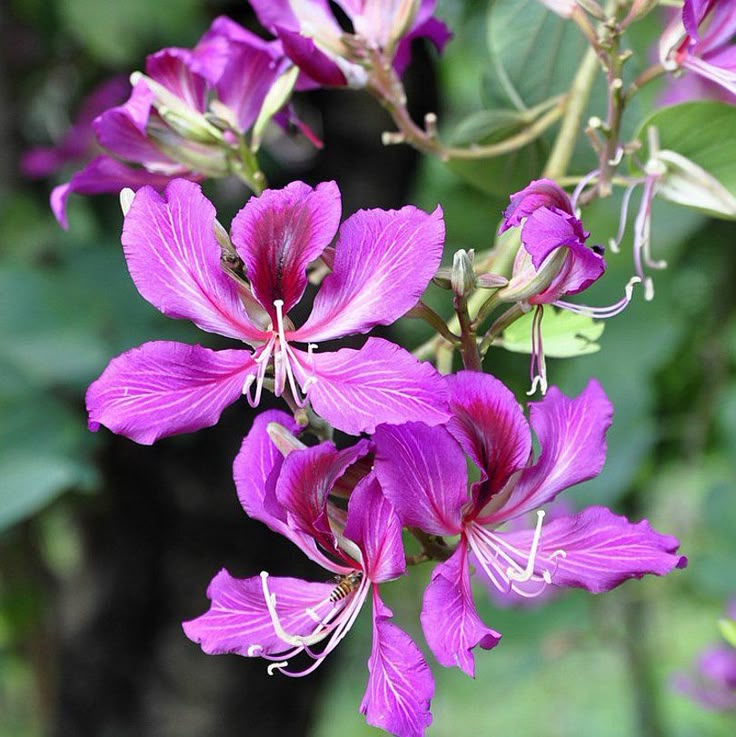
Butterfly Tree / Orchid Tree

Local Name

Kupu-kupu

Scientific Name

Bauhinia purpurea

Family

Fabaceae

Description :

The Kupu-Kupu tree is a beautiful tropical flowering tree known for its elegant orchid-like blossoms and decorative leaves. The tree enhances tropical landscapes with its vibrant flowers and graceful appearance.

Cultural Meaning (Bali) :

Flowering trees are often appreciated in Balinese culture for symbolizing beauty, natural balance, and harmony with the surrounding environment. Their colorful blossoms help create peaceful and spiritually uplifting garden spaces.

Ecological Importance :

The flowers attract butterflies, bees, and other pollinators that support local biodiversity and ecosystem health. The tree also contributes to shade and environmental cooling.

Wellness / Traditional Benefits :

The visual beauty of flowering trees helps create relaxing and calming outdoor spaces, supporting wellness and mindfulness experiences in tropical gardens.

Interesting Facts :

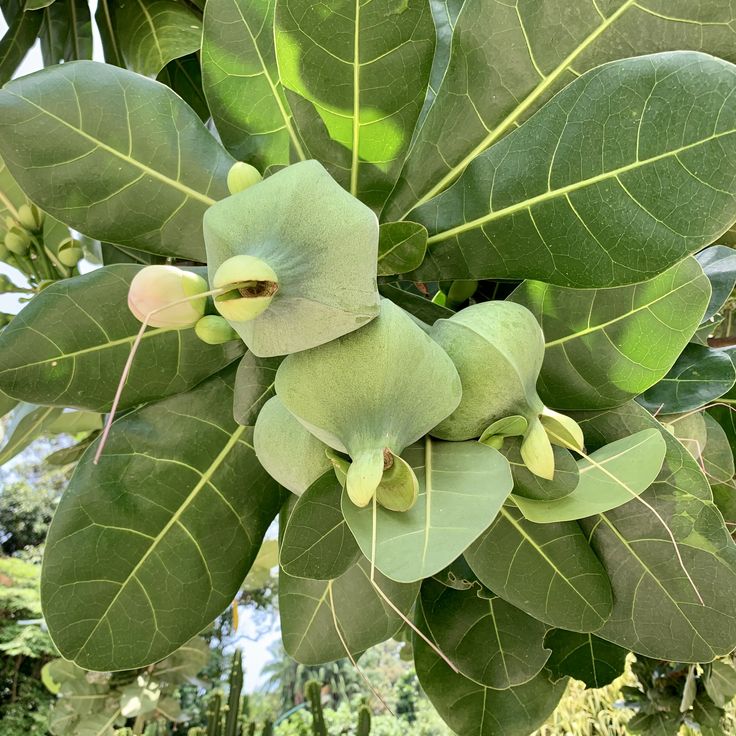
  • The leaves are uniquely shaped like butterfly wings.
  • Its flowers resemble orchids, giving it the nickname “Orchid Tree.”
  • The tree blooms beautifully in tropical climates.
  • Flowering trees play an important role in attracting pollinators.

Conservation Status :

Common Tropical Flowering Tree

Local Name

Latin Name

English Name

Bali Name

Type

Other Flora

Bishop Wood Tree

A tall tropical tree providing natural shade and a true jungle ambience.
See Detail

Whitewort Plant

A traditional herbal plant used in local remedies.
See Detail

Bamboo

Description :

Bamboo is a fast-growing tropical grass species admired for its strength, flexibility, and sustainability. Commonly found throughout Bali, bamboo has long been used in traditional architecture, art, and daily life. Its elegant appearance also enhances the tranquil ambiance of tropical landscapes.

Cultural Meaning (Bali) :

In Bali, bamboo plays an important role in ceremonies, traditional decorations, and community life. It is widely used for making penjor, ceremonial ornaments placed during Balinese Hindu celebrations. Bamboo symbolizes resilience, harmony, and balance with nature.

Ecological Importance :

Bamboo helps prevent soil erosion, improves soil stability, absorbs carbon dioxide efficiently, and supports biodiversity. Its rapid growth also makes bamboo one of the most sustainable natural resources in tropical ecosystems.

Wellness / Traditional Benefits :

Young bamboo shoots are edible and commonly used in traditional cuisine. Bamboo forests are also known to create calming environments that support relaxation, mindfulness, and wellness experiences.

Interesting Facts :

Bamboo is one of the fastest-growing plants in the world.
Some bamboo species can grow several centimeters in a single day.
Bamboo has been used for centuries in Balinese construction and handicrafts.
Despite its tree-like appearance, bamboo is technically a type of grass.

Conservation Status :

Common Tropical Species / Sustainable Plant Resource

See Detail

Cluster Palm

Description :

Palem Beregu is an elegant tropical palm known for its clustered stems and graceful green fronds. The plant is commonly used in tropical landscaping to create lush and relaxing resort environments.

Cultural Meaning (Bali) :

Palm species are strongly connected with tropical beauty, hospitality, and harmony with nature in Balinese landscapes. Their elegant appearance helps create peaceful outdoor spaces.

Ecological Importance :

The palm contributes to biodiversity, improves air quality, and enhances tropical humidity while supporting birds and small insects.

Wellness / Traditional Benefits :

Palms help create calming tropical atmospheres associated with relaxation and wellness-oriented environments.

Interesting Facts :

  • Cluster palms grow in groups of multiple stems.
  • The plant is popular in tropical resorts and gardens worldwide.
  • Its graceful leaves create a soft tropical appearance.
  • Palms help naturally cool outdoor spaces.

Conservation Status :

Common Tropical Ornamental Palm Species

See Detail

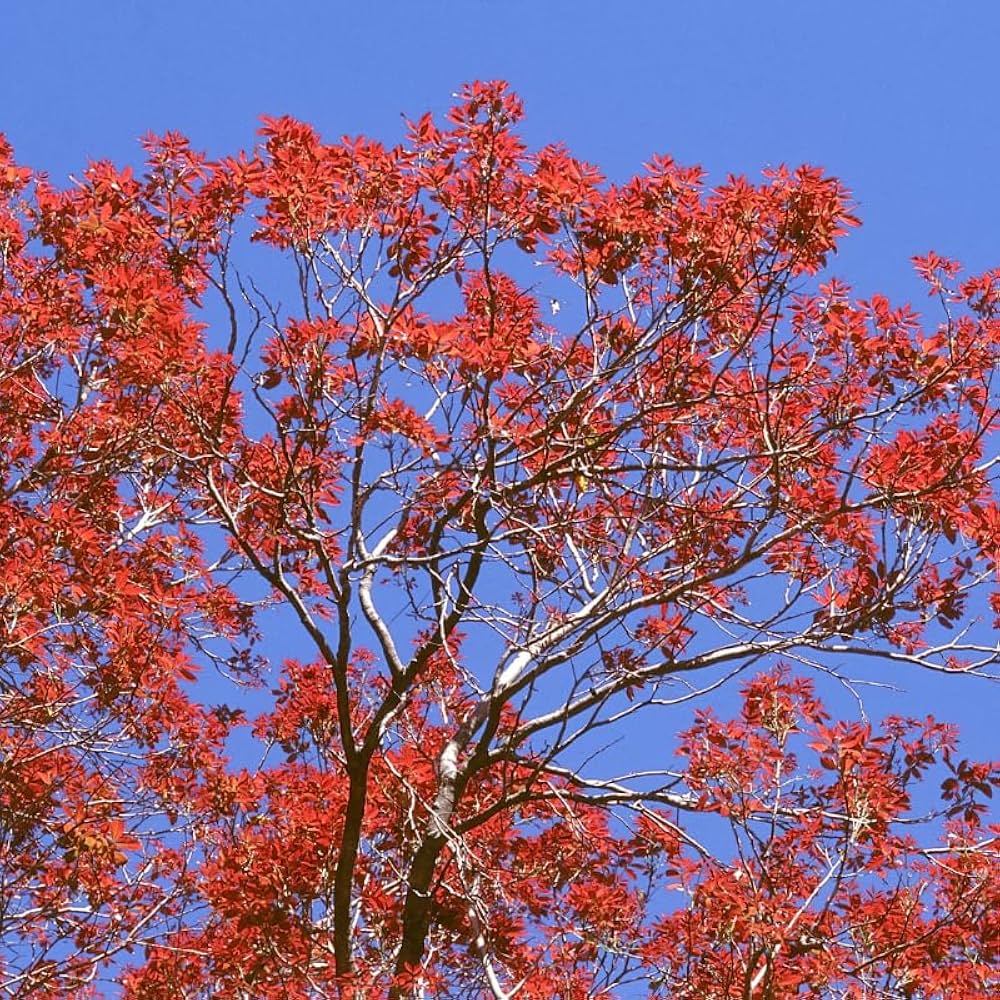
Tropical Forest Tree

Description :

Gintungan is a tropical tree species commonly found in lush Balinese landscapes and natural environments. The tree contributes to the richness of tropical vegetation and enhances the serene atmosphere of resort gardens.

Cultural Meaning (Bali) :

Trees native to Bali’s tropical environment are often respected as important elements of harmony between humans and nature. Tropical vegetation plays an essential role in maintaining the spiritual and ecological balance of Balinese landscapes.

Ecological Importance :

The tree contributes to biodiversity, supports natural habitats for insects and birds, and helps maintain tropical environmental balance through shade and oxygen production.

Wellness / Traditional Benefits :

Tropical trees help create peaceful and refreshing natural surroundings that support relaxation, mindfulness, and wellness-oriented experiences within resort environments.

Interesting Facts :

  • Tropical trees are essential for maintaining Bali’s lush green ecosystem.
  • Mature trees help create cooler and more comfortable outdoor environments.
  • Many tropical species support biodiversity and local wildlife habitats.
  • Trees play a major role in preserving the natural beauty of Ubud.

Conservation Status :

Common Tropical Tree Species / Further Botanical Identification Recommended

See Detail

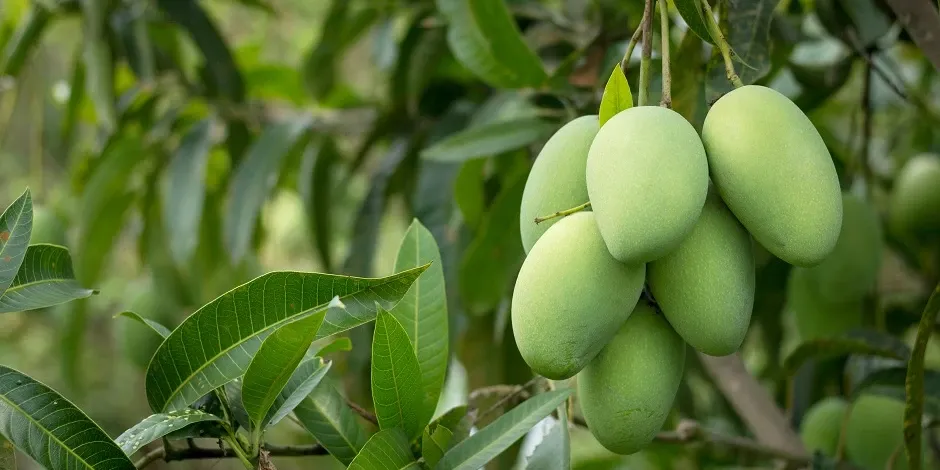
Mango Tree

Description :

Mangga is a popular tropical fruit tree admired for its sweet fruit, dense canopy, and refreshing shade. Mango trees thrive in warm climates and are commonly found in tropical gardens, villages, and agricultural landscapes throughout Bali and Indonesia.

Cultural Meaning (Bali) :

Fruit-bearing trees are traditionally valued in Balinese culture as symbols of abundance, prosperity, and the harmonious relationship between humans and nature. Mango trees are often planted in family compounds and tropical gardens.

Ecological Importance :

Mango trees support biodiversity by providing food and habitat for birds, insects, and pollinators. Their broad canopy also helps cool the environment and improve air quality.

Wellness / Traditional Benefits :

Mango fruits are rich in vitamins and antioxidants and are widely enjoyed fresh or in tropical dishes and beverages. Traditionally, various parts of the tree have also been associated with natural wellness practices.

Interesting Facts :

  • Mangoes are often called the “King of Tropical Fruits.”
  • A mature mango tree can produce hundreds of fruits annually.
  • Mango trees can live for many decades in tropical climates.
  • The tree provides excellent natural shade in tropical environments.

Conservation Status :

Common Tropical Fruit Tree Species

See Detail