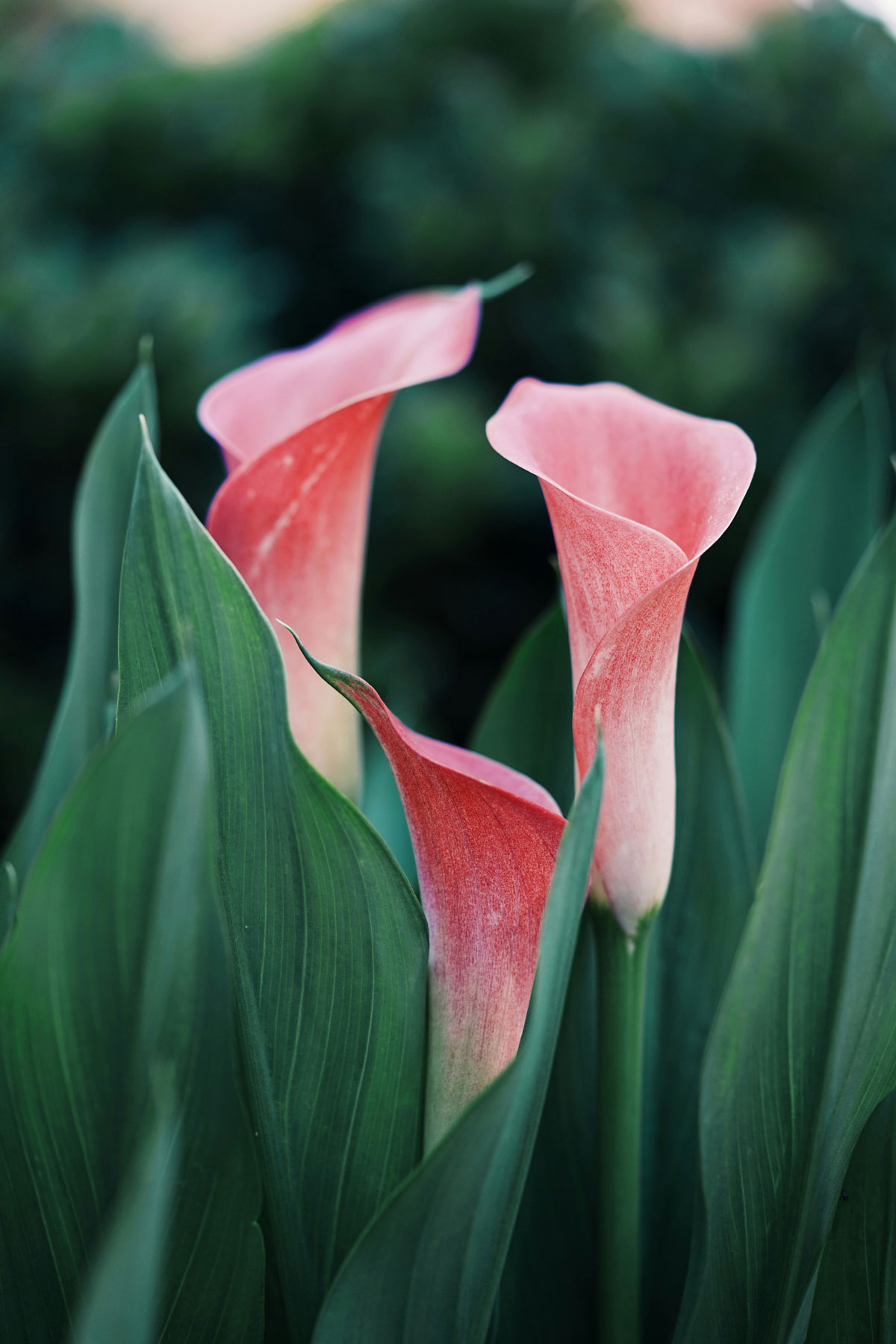
African Tulip Tree

Local Name

Sepatudea

Scientific Name

Spathodea campanulata

Family

Known for its vibrant orange-red blooms, bringing striking color to the jungle landscape.

Local Name

Latin Name

English Name

Bali Name

Type

Other Flora

Butterfly Tree / Orchid Tree

Description :

The Kupu-Kupu tree is a beautiful tropical flowering tree known for its elegant orchid-like blossoms and decorative leaves. The tree enhances tropical landscapes with its vibrant flowers and graceful appearance.

Cultural Meaning (Bali) :

Flowering trees are often appreciated in Balinese culture for symbolizing beauty, natural balance, and harmony with the surrounding environment. Their colorful blossoms help create peaceful and spiritually uplifting garden spaces.

Ecological Importance :

The flowers attract butterflies, bees, and other pollinators that support local biodiversity and ecosystem health. The tree also contributes to shade and environmental cooling.

Wellness / Traditional Benefits :

The visual beauty of flowering trees helps create relaxing and calming outdoor spaces, supporting wellness and mindfulness experiences in tropical gardens.

Interesting Facts :

  • The leaves are uniquely shaped like butterfly wings.
  • Its flowers resemble orchids, giving it the nickname “Orchid Tree.”
  • The tree blooms beautifully in tropical climates.
  • Flowering trees play an important role in attracting pollinators.

Conservation Status :

Common Tropical Flowering Tree

See Detail

Champaca Flower

Description :

Cempaka is a fragrant tropical flowering tree admired for its beautiful blossoms and soothing aroma. The flower is widely appreciated across Bali for its elegance, spiritual symbolism, and calming natural fragrance.

Cultural Meaning (Bali) :

Cempaka flowers are considered sacred in Balinese Hindu culture and are commonly used in temple offerings, prayer rituals, and traditional ceremonies. The flower symbolizes purity, sincerity, beauty, and spiritual devotion.

Ecological Importance :

The fragrant flowers attract pollinators such as bees and butterflies, helping support the local ecosystem and biodiversity. Its dense foliage also contributes to natural shade and cooling in tropical gardens.

Wellness / Traditional Benefits :

The natural fragrance of cempaka flowers is often associated with relaxation and aromatherapy. Traditionally, the flowers are used to create calming environments and are appreciated for their soothing scent during spiritual and wellness rituals.

Interesting Facts :

  • Cempaka flowers release a stronger fragrance during the evening.
  • The flower is often associated with temples and sacred spaces in Bali.
  • Its fragrance is highly valued in traditional perfumes and aromatherapy.
  • Cempaka trees can bloom multiple times throughout the year in tropical climates.

Conservation Status :

Common Tropical Flowering Species

See Detail

Garlic Chives

Description :

Kucai is a leafy herb plant widely used in Asian cuisine for its mild garlic-like flavor and fresh aroma. The plant grows well in tropical and subtropical environments and is appreciated for both culinary and herbal purposes.

Cultural Meaning (Bali) :

Herbal plants are traditionally valued in Balinese and Indonesian culture for supporting healthy living, natural wellness, and sustainable culinary traditions.

Ecological Importance :

Herb plants contribute to biodiversity, support pollinating insects, and enrich tropical garden ecosystems.

Wellness / Traditional Benefits :

Kucai is commonly used in cooking and is traditionally associated with digestive wellness and natural nutritional benefits.

Interesting Facts :

  • Kucai belongs to the same family as onions and garlic.
  • The leaves have a mild garlic aroma.
  • The plant produces small white flowers.
  • Kucai is commonly used in Asian dishes and soups.

Conservation Status :

Common Culinary Herb Species

See Detail

Mangga

A shade-giving tree with heart-shaped leaves, commonly found across Bali.
See Detail

Mango Tree

Description :

Mangga is a popular tropical fruit tree admired for its sweet fruit, dense canopy, and refreshing shade. Mango trees thrive in warm climates and are commonly found in tropical gardens, villages, and agricultural landscapes throughout Bali and Indonesia.

Cultural Meaning (Bali) :

Fruit-bearing trees are traditionally valued in Balinese culture as symbols of abundance, prosperity, and the harmonious relationship between humans and nature. Mango trees are often planted in family compounds and tropical gardens.

Ecological Importance :

Mango trees support biodiversity by providing food and habitat for birds, insects, and pollinators. Their broad canopy also helps cool the environment and improve air quality.

Wellness / Traditional Benefits :

Mango fruits are rich in vitamins and antioxidants and are widely enjoyed fresh or in tropical dishes and beverages. Traditionally, various parts of the tree have also been associated with natural wellness practices.

Interesting Facts :

  • Mangoes are often called the “King of Tropical Fruits.”
  • A mature mango tree can produce hundreds of fruits annually.
  • Mango trees can live for many decades in tropical climates.
  • The tree provides excellent natural shade in tropical environments.

Conservation Status :

Common Tropical Fruit Tree Species

See Detail

Yellow Flame Tree

A beautiful shade tree with bright yellow blossoms that illuminate the garden.
See Detail