A beautiful shade tree with bright yellow blossoms that illuminate the garden.
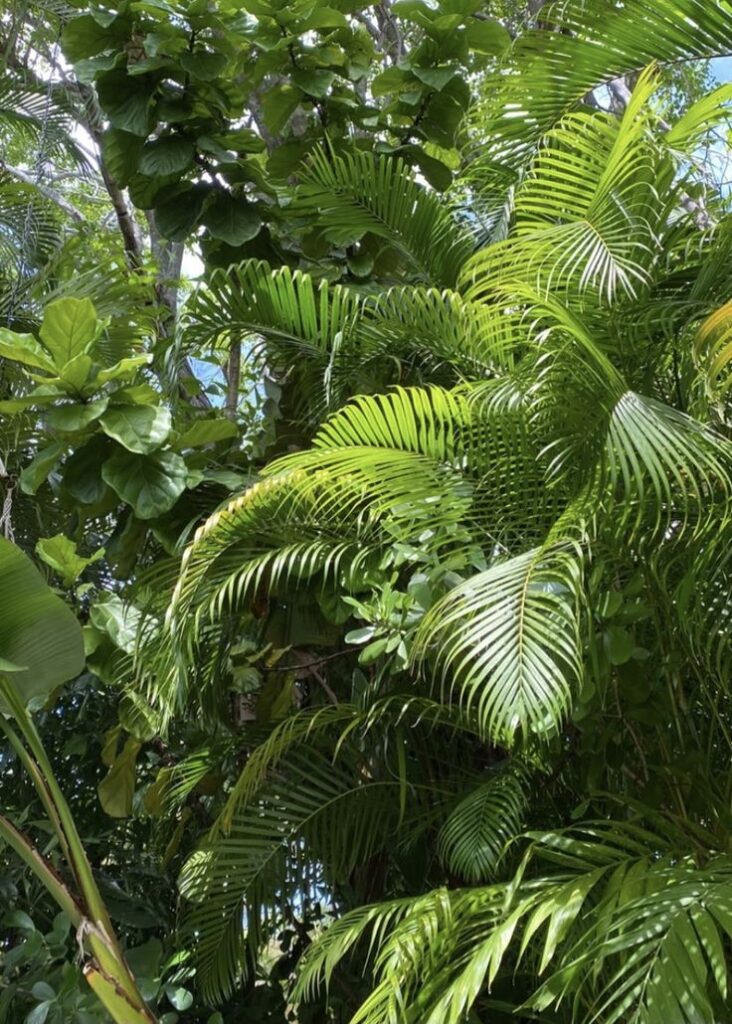
Pinang is a slender tropical palm tree widely recognized for its smooth trunk and bright orange fruit known as betel nut. The tree is commonly found in tropical landscapes and traditional village environments throughout Indonesia.
Pinang has long been associated with hospitality, traditional customs, and ceremonial practices in many Indonesian cultures. Palm species also symbolize prosperity, tropical abundance, and harmony with nature in Balinese landscapes.
Pinang trees help support biodiversity, improve air quality, and contribute to tropical greenery. Their vertical growth pattern makes them ideal for maintaining open yet shaded landscapes.
Traditionally, betel nut has been used in cultural practices and herbal preparations in various parts of Asia. The tree also contributes to the calming ambiance of tropical garden settings.
Common Tropical Palm Species
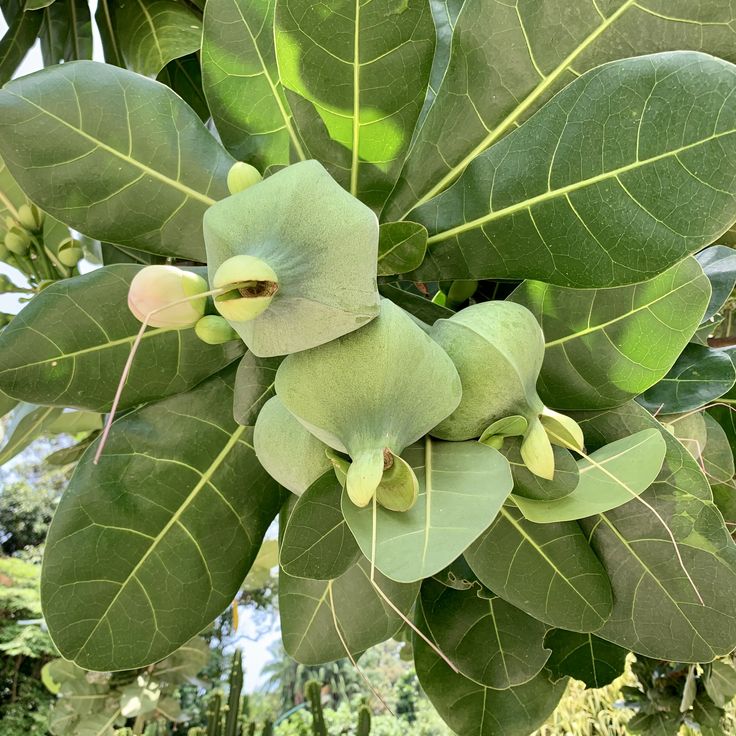
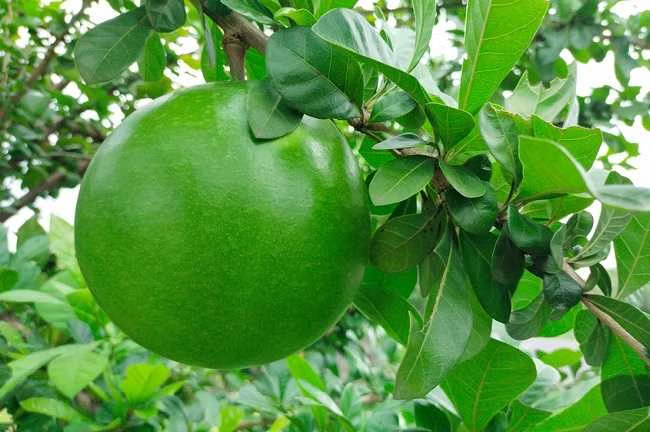
Pule, also known as Pulai, is a tall tropical evergreen tree admired for its elegant form, fragrant flowers, and strong spiritual presence. Commonly found throughout Bali, the tree contributes to the serene atmosphere of tropical landscapes with its dense canopy and calming natural beauty.
In Balinese culture, the Pule tree is considered sacred and is often associated with temples, spiritual rituals, and traditional ceremonies. The tree symbolizes protection, wisdom, purity, and harmony between humans and nature. Pule wood is also traditionally used for creating sacred masks and ceremonial carvings in Balinese art and spiritual performances.
The Pule tree provides extensive shade, improves air quality, and supports biodiversity by creating habitat for birds, insects, and pollinators. Its large canopy helps maintain cooler temperatures and contributes to environmental balance within tropical ecosystems.
Traditionally, various parts of the Pule tree have been associated with herbal and natural wellness practices. The peaceful atmosphere created by mature Pule trees also supports relaxation, meditation, and mindfulness experiences in natural environments.
Common Tropical Sacred Tree Species
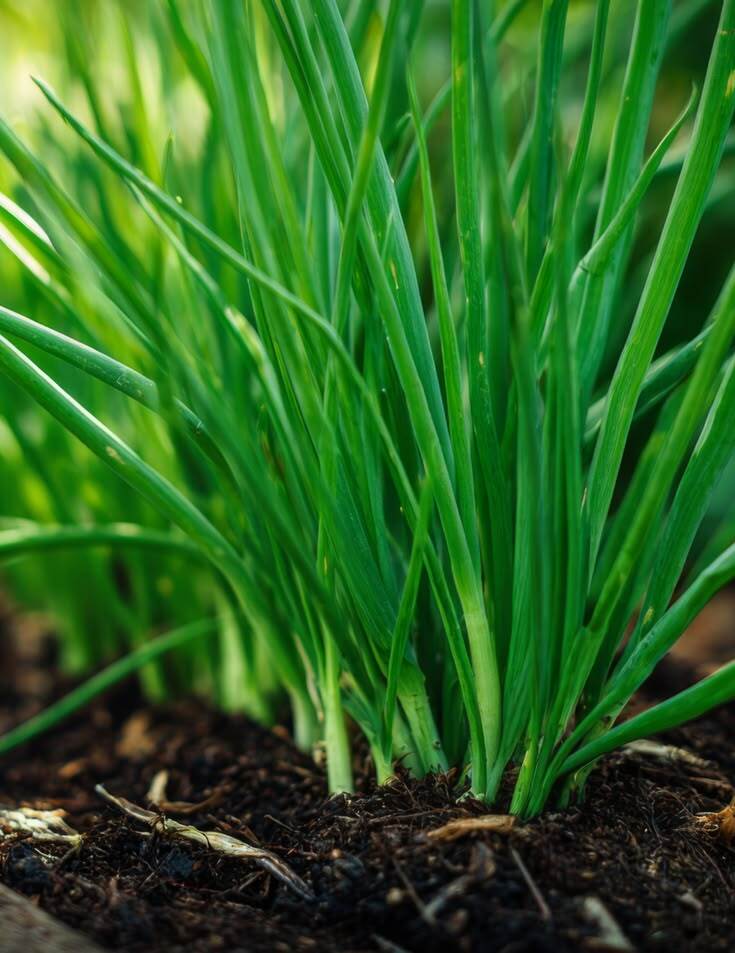
Kucai is a leafy herb plant widely used in Asian cuisine for its mild garlic-like flavor and fresh aroma. The plant grows well in tropical and subtropical environments and is appreciated for both culinary and herbal purposes.
Herbal plants are traditionally valued in Balinese and Indonesian culture for supporting healthy living, natural wellness, and sustainable culinary traditions.
Herb plants contribute to biodiversity, support pollinating insects, and enrich tropical garden ecosystems.
Kucai is commonly used in cooking and is traditionally associated with digestive wellness and natural nutritional benefits.
Common Culinary Herb Species
We use cookies to enhance your browsing experience and provide personalized content. By clicking "Accept All", you consent to our use of cookies. You can customize your preferences anytime.