White Mango / Balinese Mango

Local Name

Wani

Scientific Name

Mangifera caesia

Family

Anacardiaceae

Description :

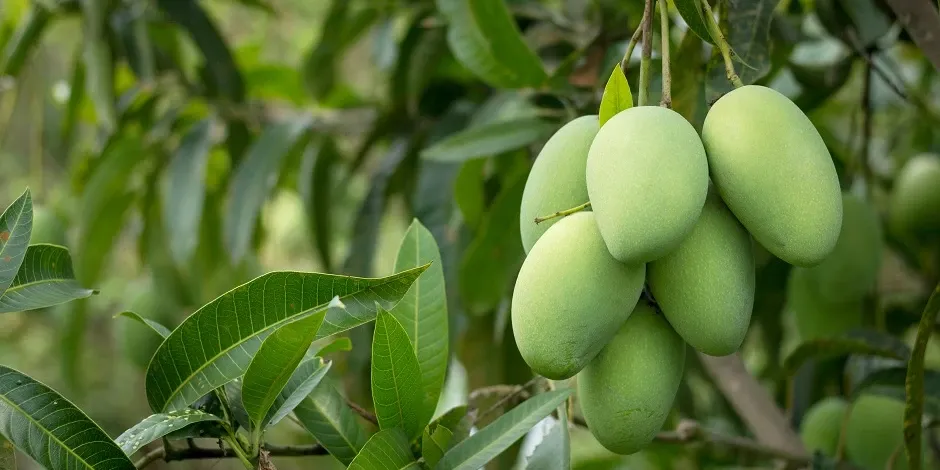
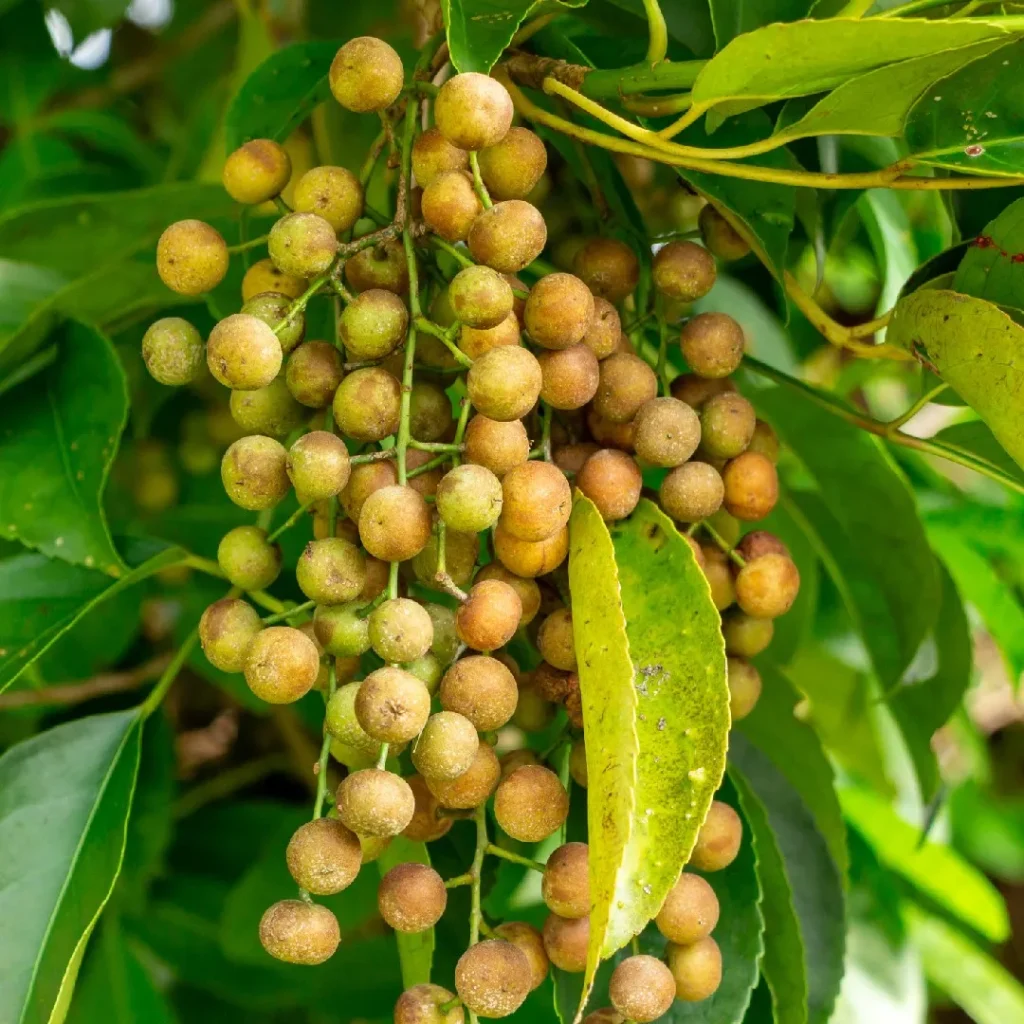
Wani is a rare tropical fruit tree native to Bali and several parts of Indonesia. Closely related to the mango, the fruit is known for its pale flesh, fragrant aroma, and unique sweet taste. Wani is considered one of Bali’s distinctive local tropical fruits.

Cultural Meaning (Bali) :

Wani fruit is closely connected to Balinese agricultural heritage and traditional village life. Local fruit trees are valued as symbols of abundance, sustainability, and the island’s deep relationship with nature.

Ecological Importance :

The tree supports tropical biodiversity by providing food sources for birds and insects while contributing to the greenery and ecological balance of tropical landscapes.

Wellness / Traditional Benefits :

Wani fruit contains natural nutrients and is traditionally enjoyed fresh as part of Bali’s tropical culinary culture. Fruit-bearing trees also contribute to healthier and more sustainable environments.

Interesting Facts :

  • Wani is considered a unique fruit native to Bali.
  • The fruit has a fragrant aroma and creamy texture.
  • It is closely related to the common mango.
  • Wani trees are becoming increasingly rare in some areas.

Conservation Status :

Traditional Local Tropical Fruit Species / Limited Cultivation Areas

Local Name

Latin Name

English Name

Bali Name

Type

Other Flora

Palm Trees

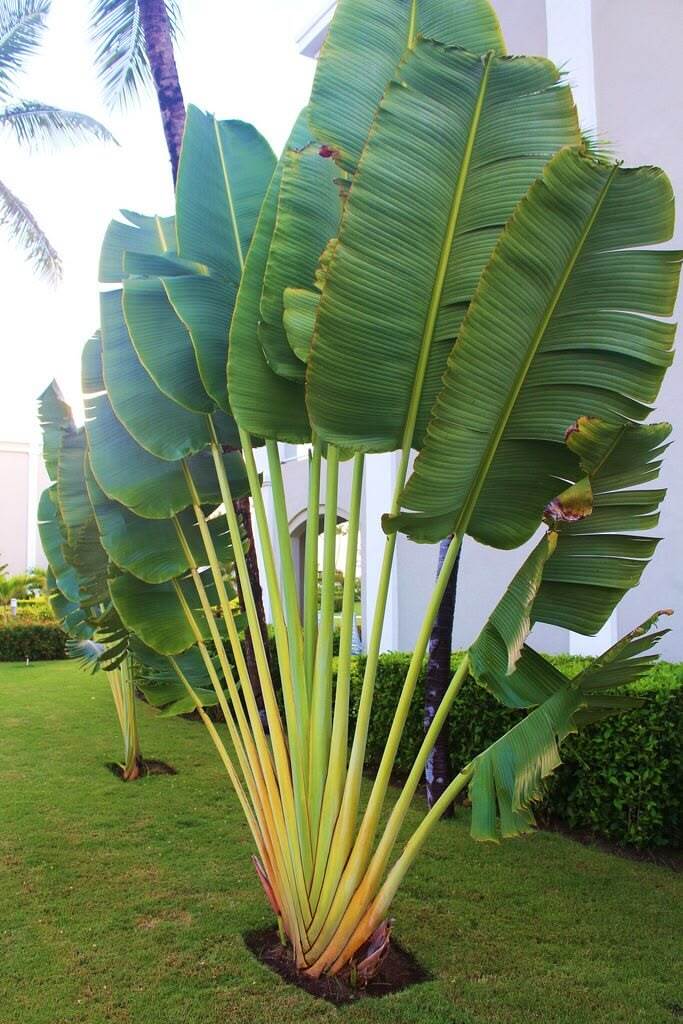
Various tropical palms that add an exotic and elegant resort feel.
See Detail

Butterfly Tree / Orchid Tree

Description :

The Kupu-Kupu tree is a beautiful tropical flowering tree known for its elegant orchid-like blossoms and decorative leaves. The tree enhances tropical landscapes with its vibrant flowers and graceful appearance.

Cultural Meaning (Bali) :

Flowering trees are often appreciated in Balinese culture for symbolizing beauty, natural balance, and harmony with the surrounding environment. Their colorful blossoms help create peaceful and spiritually uplifting garden spaces.

Ecological Importance :

The flowers attract butterflies, bees, and other pollinators that support local biodiversity and ecosystem health. The tree also contributes to shade and environmental cooling.

Wellness / Traditional Benefits :

The visual beauty of flowering trees helps create relaxing and calming outdoor spaces, supporting wellness and mindfulness experiences in tropical gardens.

Interesting Facts :

  • The leaves are uniquely shaped like butterfly wings.
  • Its flowers resemble orchids, giving it the nickname “Orchid Tree.”
  • The tree blooms beautifully in tropical climates.
  • Flowering trees play an important role in attracting pollinators.

Conservation Status :

Common Tropical Flowering Tree

See Detail

Coconut Tree

Description :

The coconut tree is a highly versatile tropical plant often known as the “Tree of Life” because nearly every part of the tree can be utilized for daily living, food, wellness, traditional ceremonies, and handicrafts. Thriving in tropical climates such as Bali, the coconut tree has become an essential part of the island’s natural landscape and cultural heritage.

Cultural Meaning (Bali) :

In Balinese culture, the coconut tree holds deep spiritual and ceremonial significance. Coconuts, young leaves, and other parts of the tree are commonly used in daily offerings (Canang Sari), temple ceremonies, purification rituals, traditional decorations, and various religious activities. The coconut tree symbolizes purity, harmony, gratitude, and the strong connection between humans and nature.

Ecological Importance :

Coconut trees help create natural shade, maintain tropical humidity, improve air quality, and support habitats for birds and insects. Their root systems also contribute to soil stability and help reduce erosion in tropical environments.

Wellness / Traditional Benefits :

Coconut water is widely known as a natural hydrating drink rich in electrolytes. Coconut oil is traditionally used for massage, hair treatment, and skin care. Coconut flesh is commonly used in Balinese cuisine, while the leaves and shells are utilized for traditional crafts and ceremonial purposes.

Interesting Facts :

Often referred to as the “Tree of Life” because almost every part can be used.
Coconut trees can live for more than 60 years.
A mature tree can produce dozens of coconuts annually.
Young coconut leaves are frequently woven into Balinese ceremonial decorations.
Coconut trees are considered one of the iconic symbols of tropical Indonesia.

Conservation Status :

Common Tropical Species / Widely Cultivated Species

See Detail

Sugar Palm

Description :

The Sugar Palm is a tropical palm species valued for its sweet sap, strong fibers, and traditional uses. The tree is commonly found in tropical forests and rural landscapes across Indonesia.

Cultural Meaning (Bali) :

Palm trees such as Aren are traditionally connected to rural life, sustainability, and natural resourcefulness in Indonesian culture. The tree represents abundance and the practical relationship between humans and nature.

Ecological Importance :

Aren trees help support biodiversity, improve soil stability, and contribute to the tropical ecosystem through their dense foliage and habitat value.

Wellness / Traditional Benefits :

The sap of the Aren tree is traditionally processed into palm sugar and local beverages. Various parts of the tree are also used in handicrafts, roofing, and traditional culinary practices.

Interesting Facts :

  • Sugar palms can produce natural sweet sap for many years.
  • Palm sugar made from Aren is widely used in Indonesian cuisine.
  • The fibers from the tree are used for ropes and brushes.
  • Aren palms grow naturally in tropical forest environments.

Conservation Status :

Traditional Tropical Palm Species

See Detail

Indian Cherry Tree

A traditional fruit tree that contributes to the biodiversity of the resort.
See Detail

Coral Tree

Description :

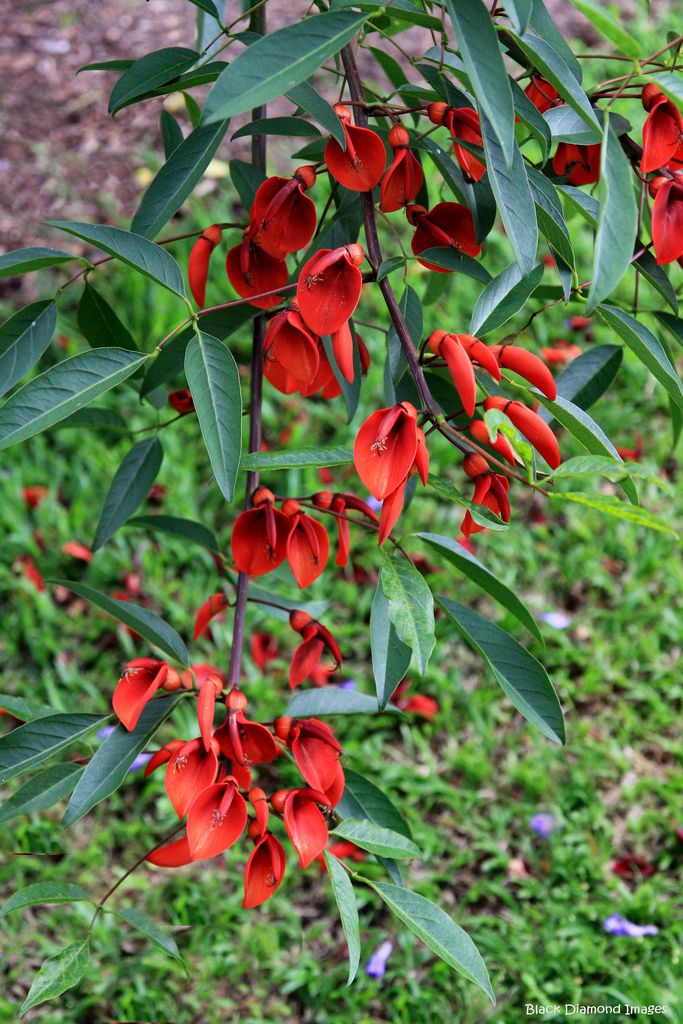
Dadap is a tropical flowering tree recognized for its striking red blossoms and distinctive branching structure. The tree is commonly planted in tropical regions for shade, landscaping, and environmental purposes.

Cultural Meaning (Bali) :

Trees with vibrant flowers are often appreciated in Balinese culture for symbolizing energy, vitality, and the beauty of nature. Dadap trees also contribute to the tropical identity of Balinese landscapes.

Ecological Importance :

Dadap trees support biodiversity by attracting birds, bees, and butterflies with their bright flowers. The tree also helps improve soil fertility through natural nitrogen fixation.

Wellness / Traditional Benefits :

In traditional communities, parts of the Dadap tree have been associated with natural herbal uses and environmental cooling benefits through its broad canopy.

Interesting Facts :

  • Dadap flowers are known for their bright coral-red color.
  • The tree is often used as a natural shade tree in tropical regions.
  • It belongs to the legume family, which helps enrich soil quality.
  • The flowers attract many pollinating birds and insects.

Conservation Status :

Common Tropical Flowering Tree Species

See Detail