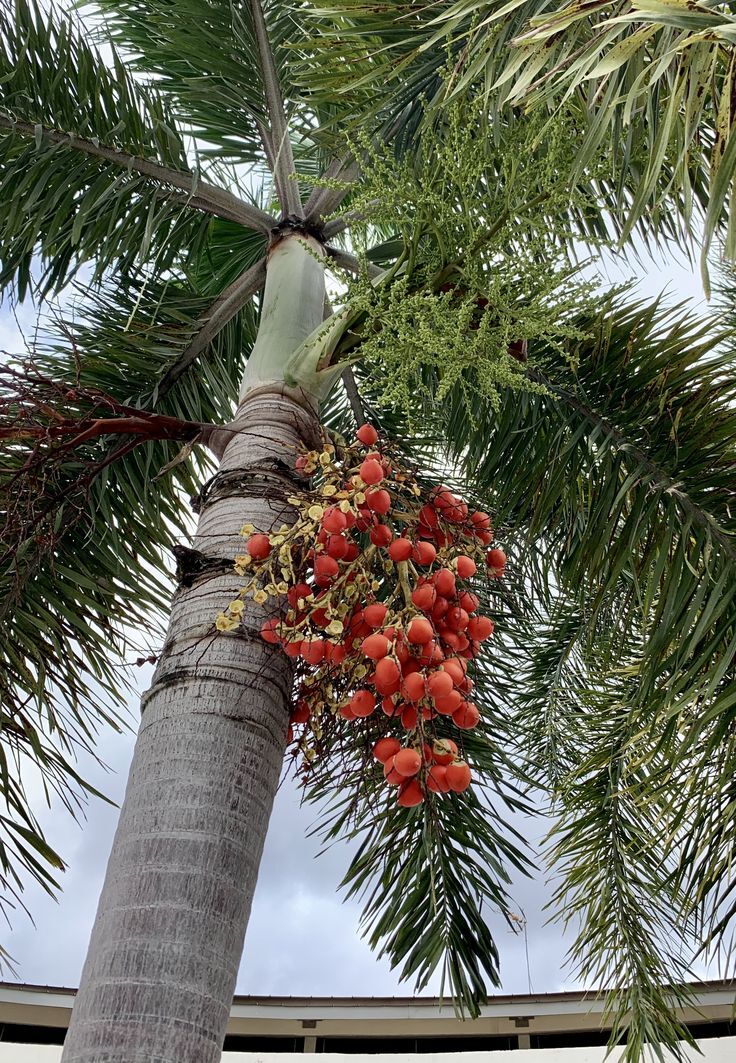
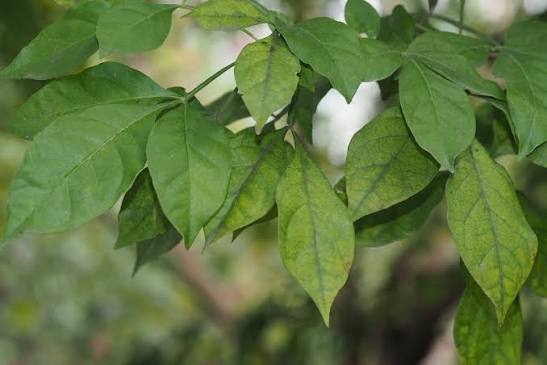
Pinang is a slender tropical palm tree widely recognized for its smooth trunk and bright orange fruit known as betel nut. The tree is commonly found in tropical landscapes and traditional village environments throughout Indonesia.
Pinang has long been associated with hospitality, traditional customs, and ceremonial practices in many Indonesian cultures. Palm species also symbolize prosperity, tropical abundance, and harmony with nature in Balinese landscapes.
Pinang trees help support biodiversity, improve air quality, and contribute to tropical greenery. Their vertical growth pattern makes them ideal for maintaining open yet shaded landscapes.
Traditionally, betel nut has been used in cultural practices and herbal preparations in various parts of Asia. The tree also contributes to the calming ambiance of tropical garden settings.
Common Tropical Palm Species
Kucai is a leafy herb plant widely used in Asian cuisine for its mild garlic-like flavor and fresh aroma. The plant grows well in tropical and subtropical environments and is appreciated for both culinary and herbal purposes.
Herbal plants are traditionally valued in Balinese and Indonesian culture for supporting healthy living, natural wellness, and sustainable culinary traditions.
Herb plants contribute to biodiversity, support pollinating insects, and enrich tropical garden ecosystems.
Kucai is commonly used in cooking and is traditionally associated with digestive wellness and natural nutritional benefits.
Common Culinary Herb Species
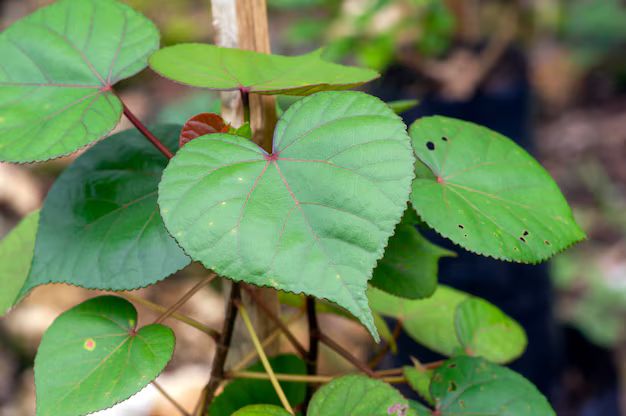
Canging is an ornamental tropical plant admired for its colorful leaves and decorative appearance. Its vibrant foliage adds beauty and visual contrast to tropical gardens and landscaped resort environments.
Decorative tropical plants are commonly used in Balinese compounds and garden landscapes to create harmony, beauty, and connection with nature. Colorful foliage plants are often appreciated for enhancing peaceful tropical surroundings.
Ornamental plants contribute to biodiversity, support small insects and pollinators, and improve the aesthetic quality of tropical green spaces. They also help maintain environmental freshness and humidity.
The presence of ornamental tropical plants helps create visually calming environments that support relaxation and wellness experiences. Green landscapes are often associated with stress reduction and mindfulness.
Common Ornamental Tropical Plant
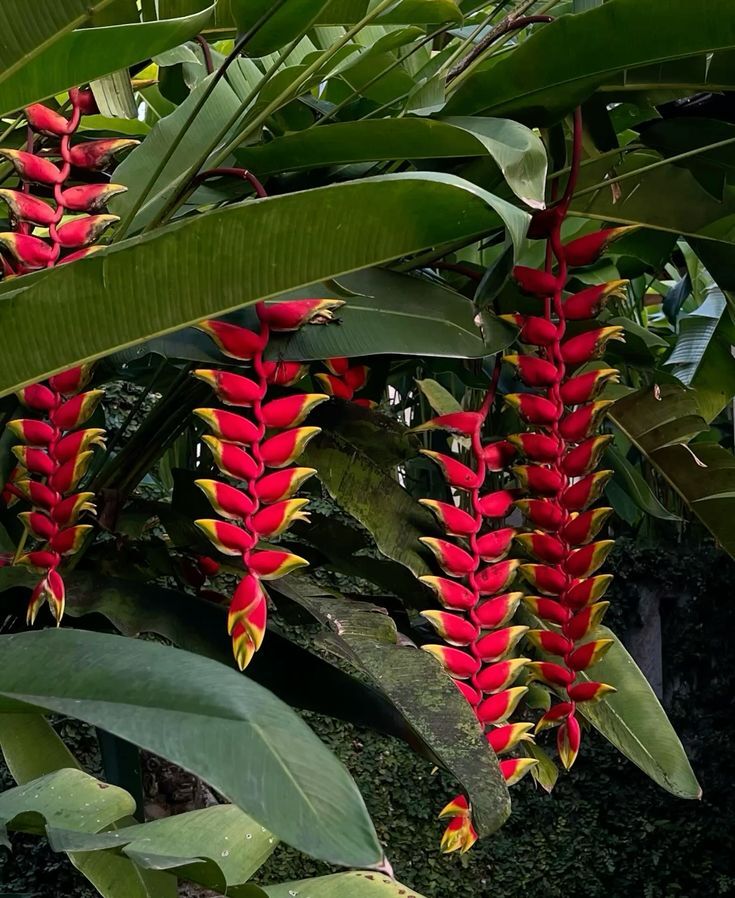
Heliconia is a striking tropical ornamental plant recognized for its colorful hanging flowers and lush foliage. Its dramatic appearance adds vibrant beauty to tropical gardens and resort landscapes.
Colorful tropical plants are appreciated in Balinese landscaping for creating harmony, beauty, and a welcoming natural environment. Ornamental flowers symbolize tropical vitality and elegance.
Heliconia flowers attract pollinators such as birds, butterflies, and insects, helping support biodiversity within tropical ecosystems.
The plant’s vibrant appearance contributes to uplifting and calming tropical environments that support relaxation and wellness experiences.
Common Tropical Ornamental Plant Species
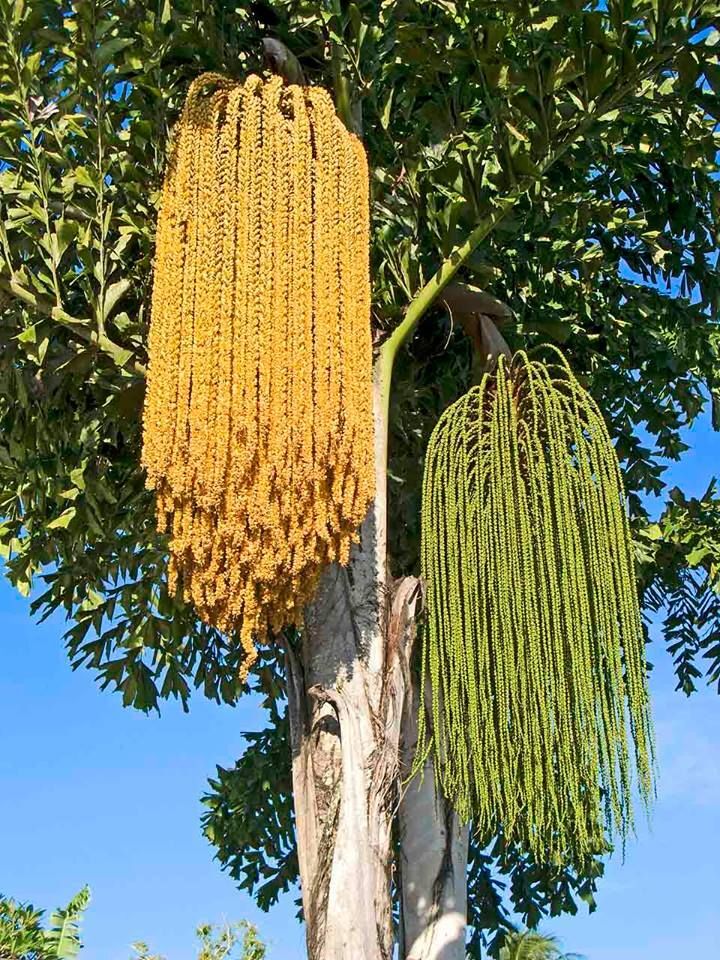
Oil palm is a tropical palm species widely cultivated in tropical regions for its highly valuable fruit and oil production. With its strong upright trunk and large feather-like leaves, the oil palm is well adapted to warm and humid climates such as Indonesia.
Although not traditionally sacred like coconut trees, palm species are often associated with tropical abundance, fertility, and prosperity in Indonesian culture. Palm vegetation also contributes to the lush tropical scenery commonly found throughout Bali.
Palm trees help create shaded environments, support biodiversity, and contribute to the tropical ecosystem. Their presence can also help reduce heat around landscaped resort areas and provide habitat for birds and insects.
Palm oil derivatives are widely used in soaps, cosmetics, candles, and wellness products. Various parts of the plant are also utilized in traditional and commercial industries across tropical regions.
Widely Cultivated Tropical Species
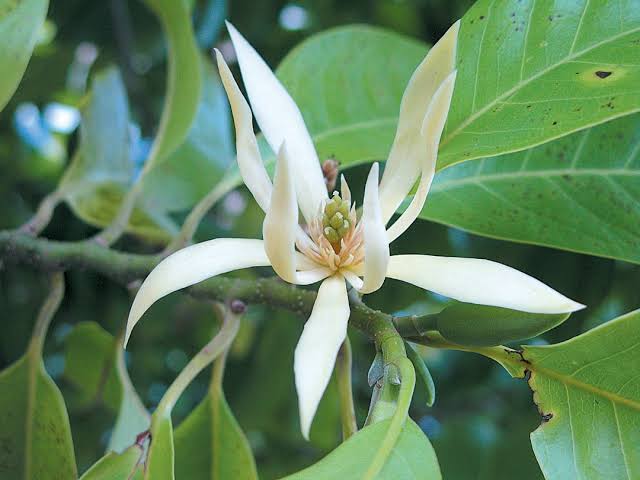
Tabebuya is a beautiful flowering tree admired for its vibrant blossoms that bloom seasonally in shades of pink, yellow, white, or purple. The tree creates a spectacular visual display and enhances the beauty of tropical landscapes.
Flowering trees are appreciated in Balinese landscapes for symbolizing beauty, renewal, and harmony with nature. Seasonal blooming trees help create uplifting and inspiring outdoor environments.
Tabebuya flowers attract bees, butterflies, and pollinators that support biodiversity and ecological balance within tropical ecosystems.
The colorful blossoms and natural beauty of Tabebuya trees help create calming outdoor spaces that support relaxation, mindfulness, and wellness-oriented experiences.
Common Tropical Ornamental Flowering Tree Species
We use cookies to enhance your browsing experience and provide personalized content. By clicking "Accept All", you consent to our use of cookies. You can customize your preferences anytime.