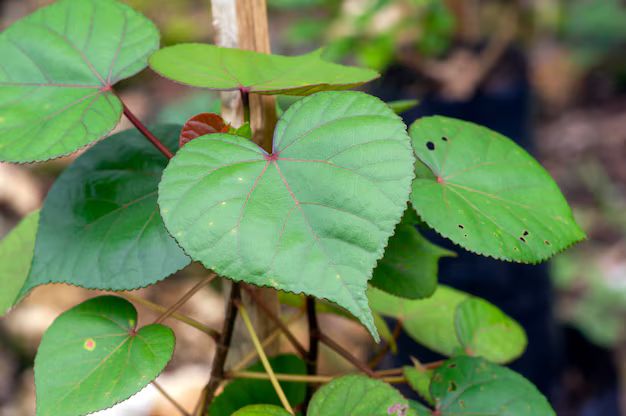
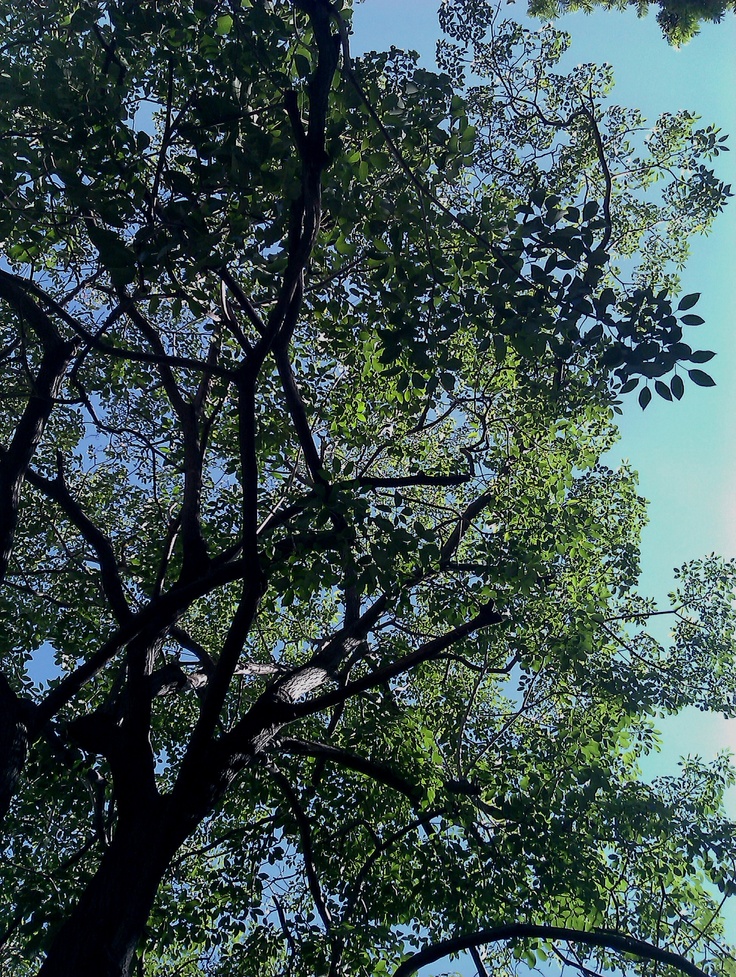
A shade-giving tree with heart-shaped leaves, commonly found across Bali.
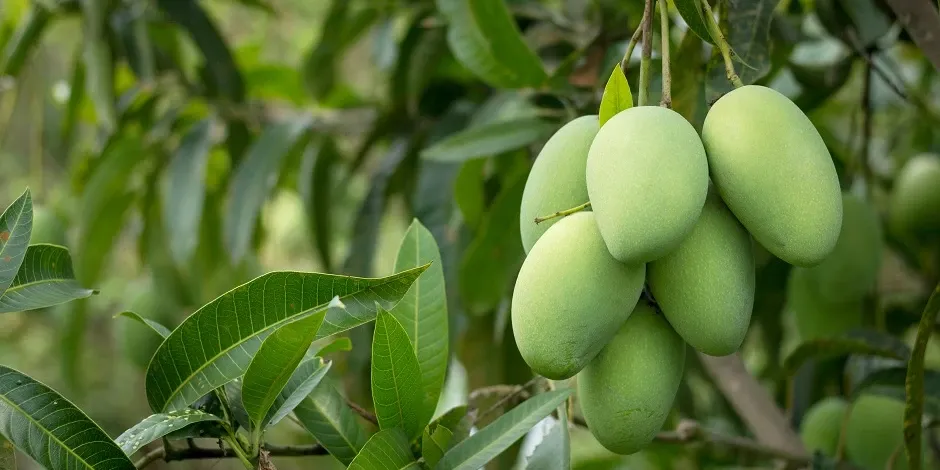
Mangga is a popular tropical fruit tree admired for its sweet fruit, dense canopy, and refreshing shade. Mango trees thrive in warm climates and are commonly found in tropical gardens, villages, and agricultural landscapes throughout Bali and Indonesia.
Fruit-bearing trees are traditionally valued in Balinese culture as symbols of abundance, prosperity, and the harmonious relationship between humans and nature. Mango trees are often planted in family compounds and tropical gardens.
Mango trees support biodiversity by providing food and habitat for birds, insects, and pollinators. Their broad canopy also helps cool the environment and improve air quality.
Mango fruits are rich in vitamins and antioxidants and are widely enjoyed fresh or in tropical dishes and beverages. Traditionally, various parts of the tree have also been associated with natural wellness practices.
Common Tropical Fruit Tree Species
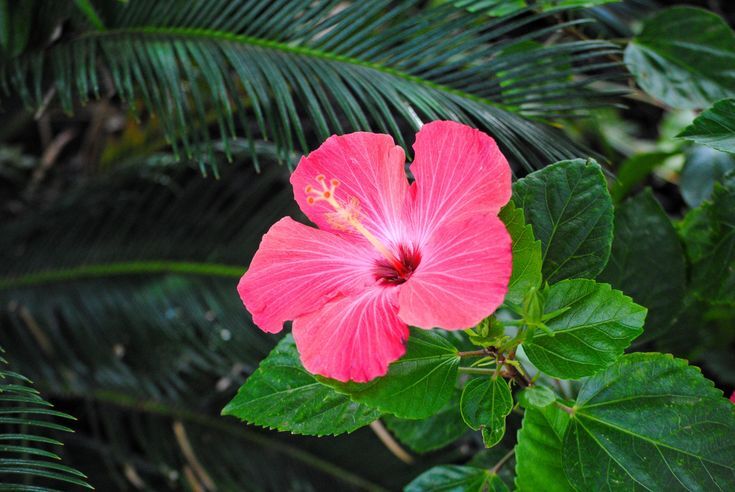
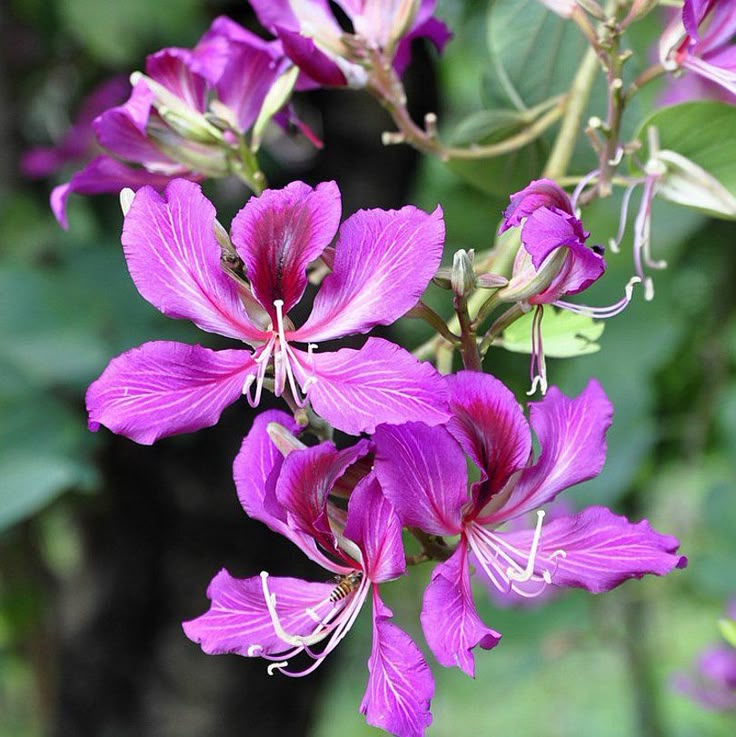
The Kupu-Kupu tree is a beautiful tropical flowering tree known for its elegant orchid-like blossoms and decorative leaves. The tree enhances tropical landscapes with its vibrant flowers and graceful appearance.
Flowering trees are often appreciated in Balinese culture for symbolizing beauty, natural balance, and harmony with the surrounding environment. Their colorful blossoms help create peaceful and spiritually uplifting garden spaces.
The flowers attract butterflies, bees, and other pollinators that support local biodiversity and ecosystem health. The tree also contributes to shade and environmental cooling.
The visual beauty of flowering trees helps create relaxing and calming outdoor spaces, supporting wellness and mindfulness experiences in tropical gardens.
Common Tropical Flowering Tree
Bamboo is a fast-growing tropical grass species admired for its strength, flexibility, and sustainability. Commonly found throughout Bali, bamboo has long been used in traditional architecture, art, and daily life. Its elegant appearance also enhances the tranquil ambiance of tropical landscapes.
In Bali, bamboo plays an important role in ceremonies, traditional decorations, and community life. It is widely used for making penjor, ceremonial ornaments placed during Balinese Hindu celebrations. Bamboo symbolizes resilience, harmony, and balance with nature.
Bamboo helps prevent soil erosion, improves soil stability, absorbs carbon dioxide efficiently, and supports biodiversity. Its rapid growth also makes bamboo one of the most sustainable natural resources in tropical ecosystems.
Young bamboo shoots are edible and commonly used in traditional cuisine. Bamboo forests are also known to create calming environments that support relaxation, mindfulness, and wellness experiences.
Common Tropical Species / Sustainable Plant Resource
Mahkota Dewa is a medicinal tropical plant native to Indonesia, recognized for its bright red fruit and traditional herbal value. The plant is widely appreciated for both its ornamental appearance and its long history in natural wellness practices.
Medicinal plants are highly respected in Balinese traditional knowledge and wellness culture. Mahkota Dewa represents the close relationship between nature and holistic healing practices within Indonesian heritage.
The plant contributes to biodiversity and supports tropical garden ecosystems by providing greenery and habitat for small insects and pollinators.
Mahkota Dewa has long been used in traditional herbal practices in Indonesia. Various parts of the plant are believed to support wellness when properly processed and traditionally prepared.
Traditional Medicinal Tropical Plant Species
Palem Beregu is an elegant tropical palm known for its clustered stems and graceful green fronds. The plant is commonly used in tropical landscaping to create lush and relaxing resort environments.
Palm species are strongly connected with tropical beauty, hospitality, and harmony with nature in Balinese landscapes. Their elegant appearance helps create peaceful outdoor spaces.
The palm contributes to biodiversity, improves air quality, and enhances tropical humidity while supporting birds and small insects.
Palms help create calming tropical atmospheres associated with relaxation and wellness-oriented environments.
Common Tropical Ornamental Palm Species
We use cookies to enhance your browsing experience and provide personalized content. By clicking "Accept All", you consent to our use of cookies. You can customize your preferences anytime.