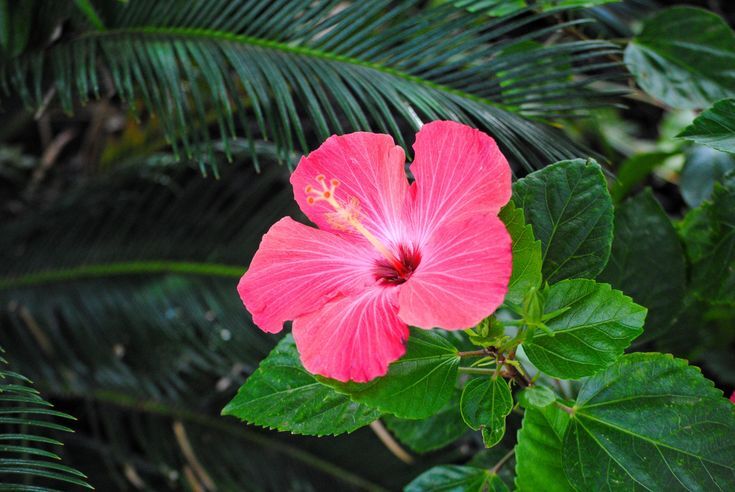
Known for its vibrant orange-red blooms, bringing striking color to the jungle landscape.
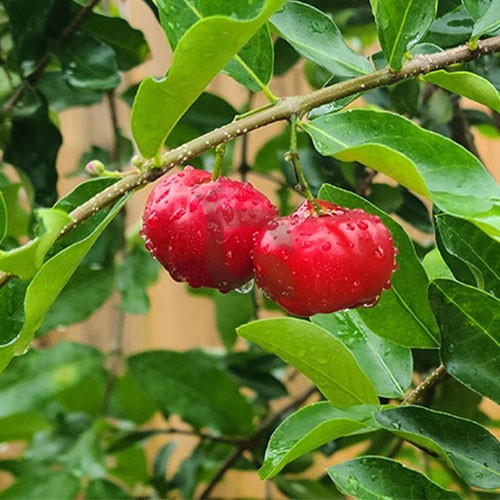
Mahkota Dewa is a medicinal tropical plant native to Indonesia, recognized for its bright red fruit and traditional herbal value. The plant is widely appreciated for both its ornamental appearance and its long history in natural wellness practices.
Medicinal plants are highly respected in Balinese traditional knowledge and wellness culture. Mahkota Dewa represents the close relationship between nature and holistic healing practices within Indonesian heritage.
The plant contributes to biodiversity and supports tropical garden ecosystems by providing greenery and habitat for small insects and pollinators.
Mahkota Dewa has long been used in traditional herbal practices in Indonesia. Various parts of the plant are believed to support wellness when properly processed and traditionally prepared.
Traditional Medicinal Tropical Plant Species
Ketapang is a large tropical shade tree recognized for its broad layered branches and seasonal color-changing leaves. The tree is widely planted in tropical landscapes for shade and environmental cooling.
Shade trees such as Ketapang are valued in Balinese culture for creating peaceful communal spaces and maintaining harmony with the natural environment.
Ketapang trees provide extensive shade, help reduce heat, improve air quality, and support habitats for birds and insects. Their fallen leaves also contribute nutrients back into the soil ecosystem.
The calming shade and natural beauty of Ketapang trees help create relaxing outdoor spaces that support wellness and mindfulness experiences.
Common Tropical Shade Tree Species
Tabebuya is a beautiful flowering tree admired for its vibrant blossoms that bloom seasonally in shades of pink, yellow, white, or purple. The tree creates a spectacular visual display and enhances the beauty of tropical landscapes.
Flowering trees are appreciated in Balinese landscapes for symbolizing beauty, renewal, and harmony with nature. Seasonal blooming trees help create uplifting and inspiring outdoor environments.
Tabebuya flowers attract bees, butterflies, and pollinators that support biodiversity and ecological balance within tropical ecosystems.
The colorful blossoms and natural beauty of Tabebuya trees help create calming outdoor spaces that support relaxation, mindfulness, and wellness-oriented experiences.
Common Tropical Ornamental Flowering Tree Species
Kacang-kacangan refers to various legume plants commonly grown in tropical regions for food, ground cover, and ecological purposes. These plants are important components of sustainable tropical agriculture.
Legume crops are traditionally connected to local farming culture and sustainable food systems in Bali and Indonesia. They symbolize nourishment, productivity, and the relationship between humans and the land.
Legume plants help improve soil fertility through natural nitrogen fixation while supporting biodiversity and sustainable ecosystems.
Legumes are rich in protein, fiber, and nutrients and are widely consumed as part of healthy traditional diets.
Common Agricultural Plant Species
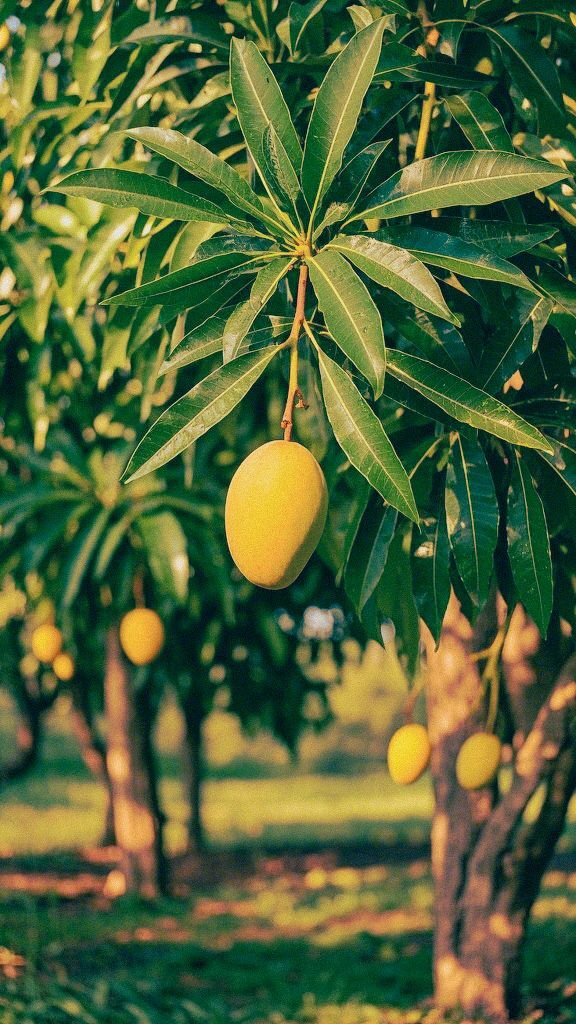
Mangga is a popular tropical fruit tree admired for its sweet fruit, dense canopy, and refreshing shade. Mango trees thrive in warm climates and are commonly found in tropical gardens, villages, and agricultural landscapes throughout Bali and Indonesia.
Fruit-bearing trees are traditionally valued in Balinese culture as symbols of abundance, prosperity, and the harmonious relationship between humans and nature. Mango trees are often planted in family compounds and tropical gardens.
Mango trees support biodiversity by providing food and habitat for birds, insects, and pollinators. Their broad canopy also helps cool the environment and improve air quality.
Mango fruits are rich in vitamins and antioxidants and are widely enjoyed fresh or in tropical dishes and beverages. Traditionally, various parts of the tree have also been associated with natural wellness practices.
Common Tropical Fruit Tree Species