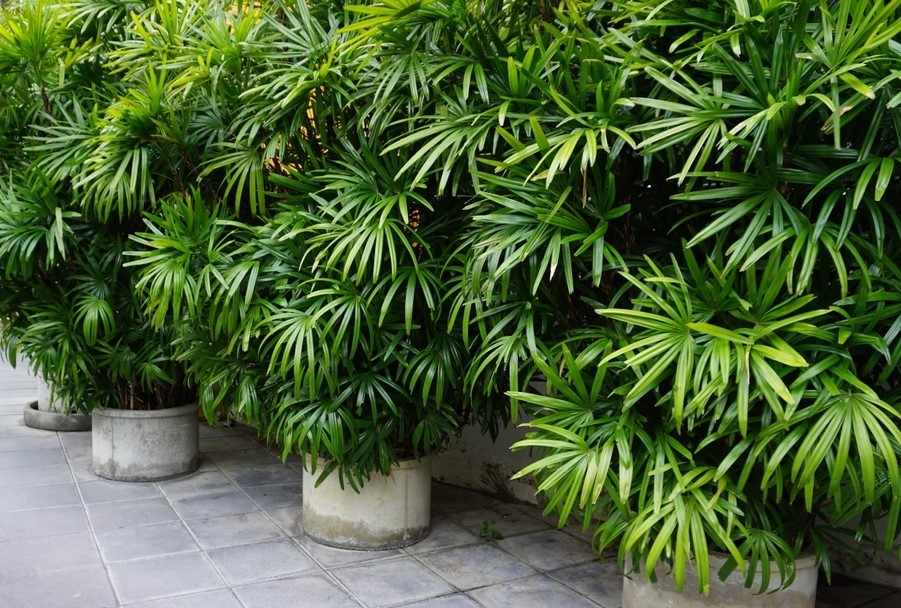
Cluster Palm

Local Name

Palem Beregu

Scientific Name

Dypsis lutescens

Family

Arecaceae

Description :

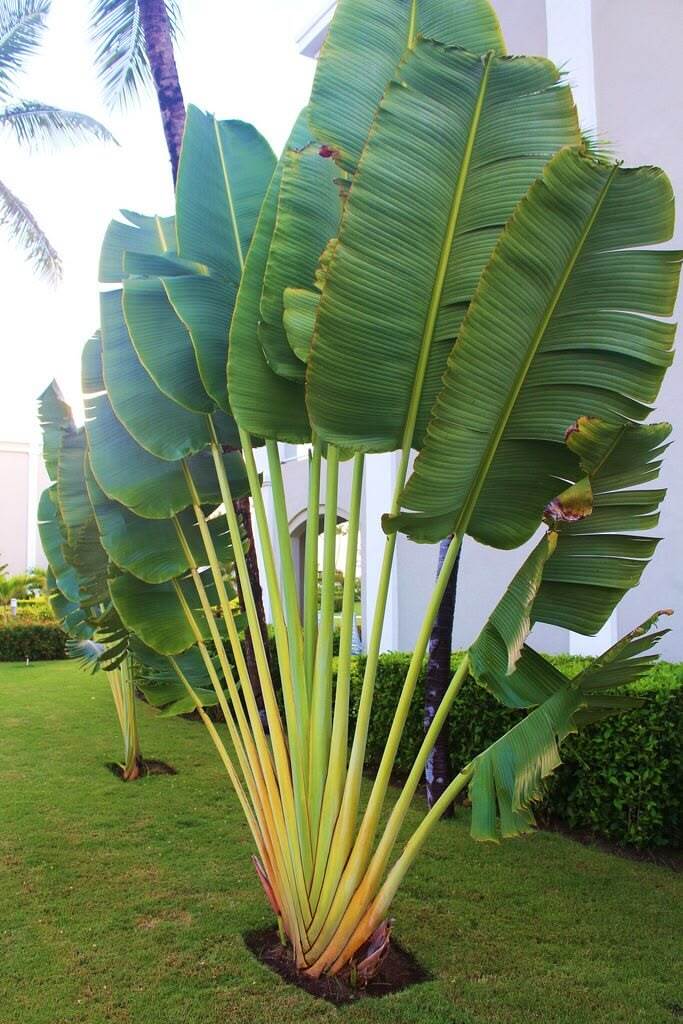
Palem Beregu is an elegant tropical palm known for its clustered stems and graceful green fronds. The plant is commonly used in tropical landscaping to create lush and relaxing resort environments.

Cultural Meaning (Bali) :

Palm species are strongly connected with tropical beauty, hospitality, and harmony with nature in Balinese landscapes. Their elegant appearance helps create peaceful outdoor spaces.

Ecological Importance :

The palm contributes to biodiversity, improves air quality, and enhances tropical humidity while supporting birds and small insects.

Wellness / Traditional Benefits :

Palms help create calming tropical atmospheres associated with relaxation and wellness-oriented environments.

Interesting Facts :

  • Cluster palms grow in groups of multiple stems.
  • The plant is popular in tropical resorts and gardens worldwide.
  • Its graceful leaves create a soft tropical appearance.
  • Palms help naturally cool outdoor spaces.

Conservation Status :

Common Tropical Ornamental Palm Species

Local Name

Latin Name

English Name

Bali Name

Type

Other Flora

Sugar Palm

Description :

The Sugar Palm is a tropical palm species valued for its sweet sap, strong fibers, and traditional uses. The tree is commonly found in tropical forests and rural landscapes across Indonesia.

Cultural Meaning (Bali) :

Palm trees such as Aren are traditionally connected to rural life, sustainability, and natural resourcefulness in Indonesian culture. The tree represents abundance and the practical relationship between humans and nature.

Ecological Importance :

Aren trees help support biodiversity, improve soil stability, and contribute to the tropical ecosystem through their dense foliage and habitat value.

Wellness / Traditional Benefits :

The sap of the Aren tree is traditionally processed into palm sugar and local beverages. Various parts of the tree are also used in handicrafts, roofing, and traditional culinary practices.

Interesting Facts :

  • Sugar palms can produce natural sweet sap for many years.
  • Palm sugar made from Aren is widely used in Indonesian cuisine.
  • The fibers from the tree are used for ropes and brushes.
  • Aren palms grow naturally in tropical forest environments.

Conservation Status :

Traditional Tropical Palm Species

See Detail

Java Plum

Description :

Boni is a tropical fruit-bearing tree admired for its dense canopy, glossy leaves, and dark purple fruit. The tree thrives in humid tropical climates and contributes to the richness of Bali’s natural vegetation.

Cultural Meaning (Bali) :

Fruit trees are traditionally valued in Balinese culture as symbols of abundance, sustainability, and harmony with nature. Trees that provide food are often closely connected to traditional village life.

Ecological Importance :

The tree provides habitat and food for birds and insects while helping maintain biodiversity and environmental balance within tropical ecosystems.

Wellness / Traditional Benefits :

The fruit is traditionally appreciated for its nutritional value and is commonly consumed fresh. Various parts of the tree have also been associated with herbal and wellness practices in traditional communities.

Interesting Facts :

  • Boni fruit changes color from green to deep purple when ripe.
  • The tree can grow quite large in tropical climates.
  • Its fruits are enjoyed by both humans and wildlife.
  • The tree provides dense natural shade.

Conservation Status :

Common Tropical Fruit Tree Species

See Detail

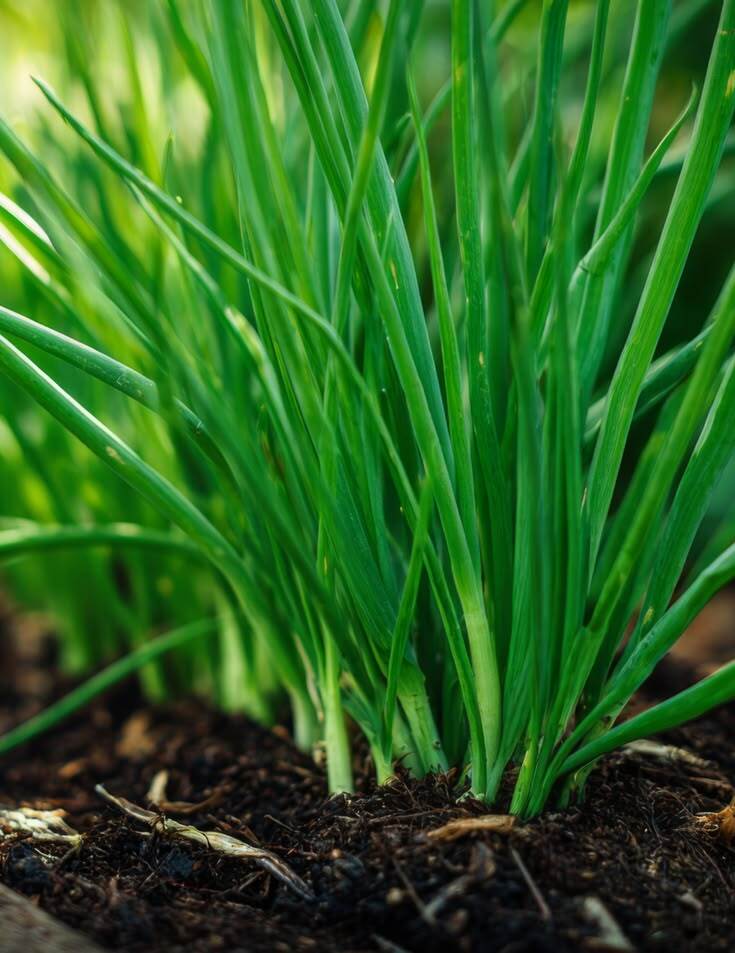
Garlic Chives

Description :

Kucai is a leafy herb plant widely used in Asian cuisine for its mild garlic-like flavor and fresh aroma. The plant grows well in tropical and subtropical environments and is appreciated for both culinary and herbal purposes.

Cultural Meaning (Bali) :

Herbal plants are traditionally valued in Balinese and Indonesian culture for supporting healthy living, natural wellness, and sustainable culinary traditions.

Ecological Importance :

Herb plants contribute to biodiversity, support pollinating insects, and enrich tropical garden ecosystems.

Wellness / Traditional Benefits :

Kucai is commonly used in cooking and is traditionally associated with digestive wellness and natural nutritional benefits.

Interesting Facts :

  • Kucai belongs to the same family as onions and garlic.
  • The leaves have a mild garlic aroma.
  • The plant produces small white flowers.
  • Kucai is commonly used in Asian dishes and soups.

Conservation Status :

Common Culinary Herb Species

See Detail

Bignay Tree

A fruit-bearing forest tree that attracts birds and small wildlife.
See Detail

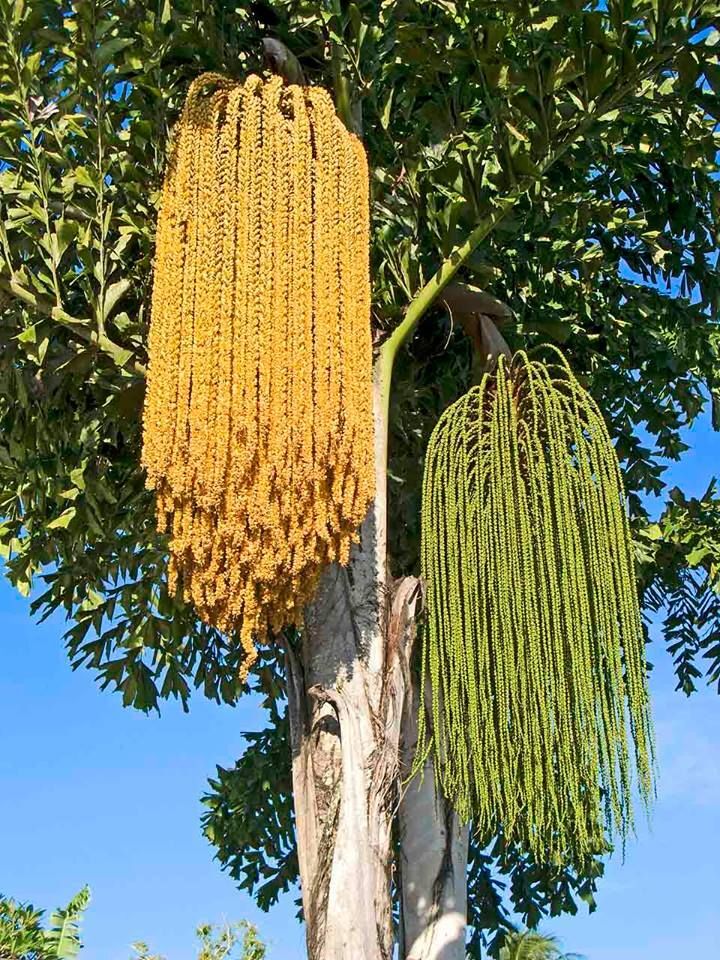
Areca Palm / Betel Nut Palm

Description :

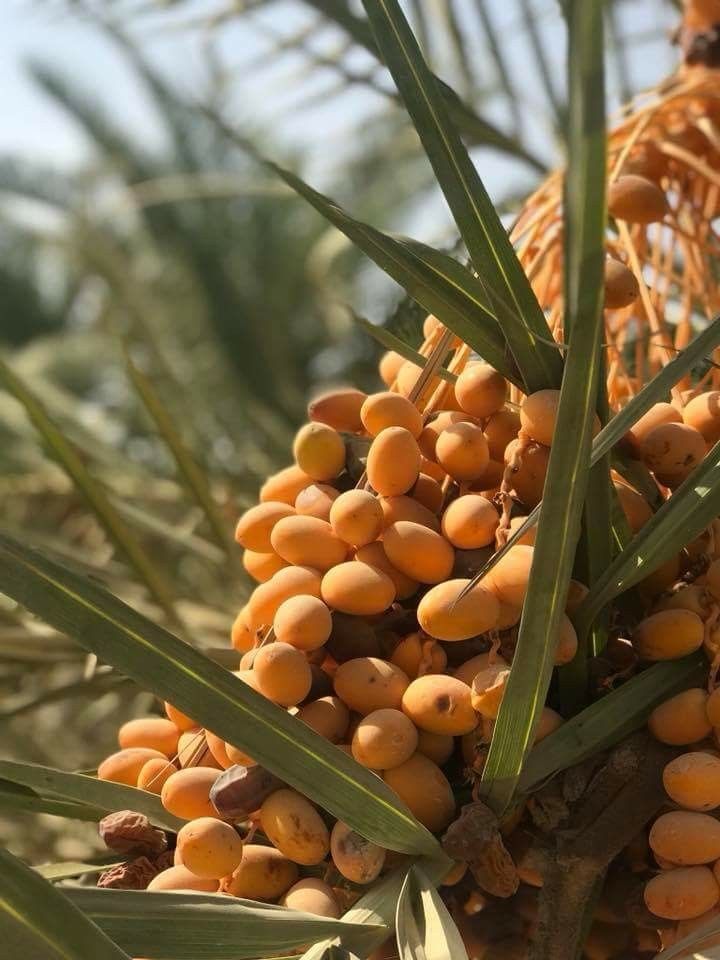
Pinang is a slender tropical palm tree widely recognized for its smooth trunk and bright orange fruit known as betel nut. The tree is commonly found in tropical landscapes and traditional village environments throughout Indonesia.

Cultural Meaning (Bali) :

Pinang has long been associated with hospitality, traditional customs, and ceremonial practices in many Indonesian cultures. Palm species also symbolize prosperity, tropical abundance, and harmony with nature in Balinese landscapes.

Ecological Importance :

Pinang trees help support biodiversity, improve air quality, and contribute to tropical greenery. Their vertical growth pattern makes them ideal for maintaining open yet shaded landscapes.

Wellness / Traditional Benefits :

Traditionally, betel nut has been used in cultural practices and herbal preparations in various parts of Asia. The tree also contributes to the calming ambiance of tropical garden settings.

Interesting Facts :

  • Pinang palms can grow tall and slender in tropical climates.
  • The fruit is commonly known as betel nut.
  • The tree is widely cultivated across Southeast Asia.
  • Pinang palms are popular ornamental plants in tropical resorts.

Conservation Status :

Common Tropical Palm Species

See Detail

Yellow Flame Tree

A beautiful shade tree with bright yellow blossoms that illuminate the garden.
See Detail