Traveler’s Palm

Local Name

Tunjang Langit

Scientific Name

Ravenala madagascariensis

Family

Strelitziaceae

Description :

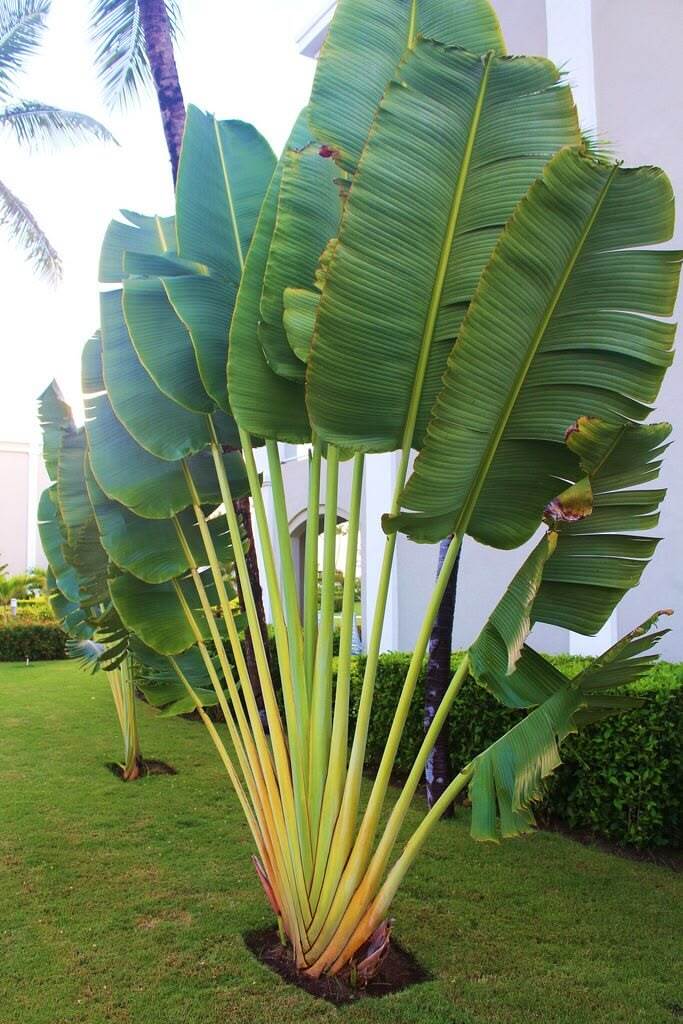
Tunjang Langit, commonly known as the Traveler’s Palm, is a striking tropical plant admired for its dramatic fan-shaped leaves and architectural appearance. Its unique structure creates a strong visual statement in tropical gardens and resort landscapes.

Cultural Meaning (Bali) :

Large tropical plants with elegant forms are often appreciated in Balinese landscaping for representing harmony, beauty, and the grandeur of nature. Their presence enhances the peaceful atmosphere of tropical environments.

Ecological Importance :

The plant contributes to biodiversity, provides shade, and supports tropical ecosystems by helping maintain humidity and greenery within landscaped areas.

Wellness / Traditional Benefits :

The lush tropical appearance of the Traveler’s Palm helps create calming natural surroundings that support relaxation and wellness-focused experiences.

Interesting Facts :

  • Despite its name, the Traveler’s Palm is not a true palm tree.
  • Its leaves naturally grow in a fan-shaped arrangement.
  • Rainwater often collects at the base of the leaves.
  • The plant is widely used in tropical resorts for its dramatic visual appeal.

Conservation Status :

Common Ornamental Tropical Plant Species

Local Name

Latin Name

English Name

Bali Name

Type

Other Flora

Waru

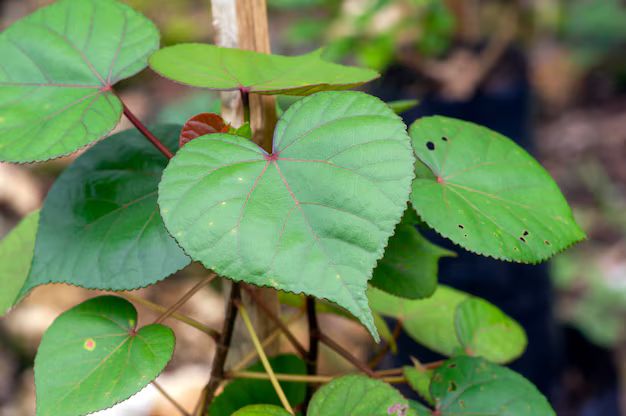
A shade-giving tree with heart-shaped leaves, commonly found across Bali.
See Detail

Bignay Tree

A fruit-bearing forest tree that attracts birds and small wildlife.
See Detail

Banana Plant

Description :

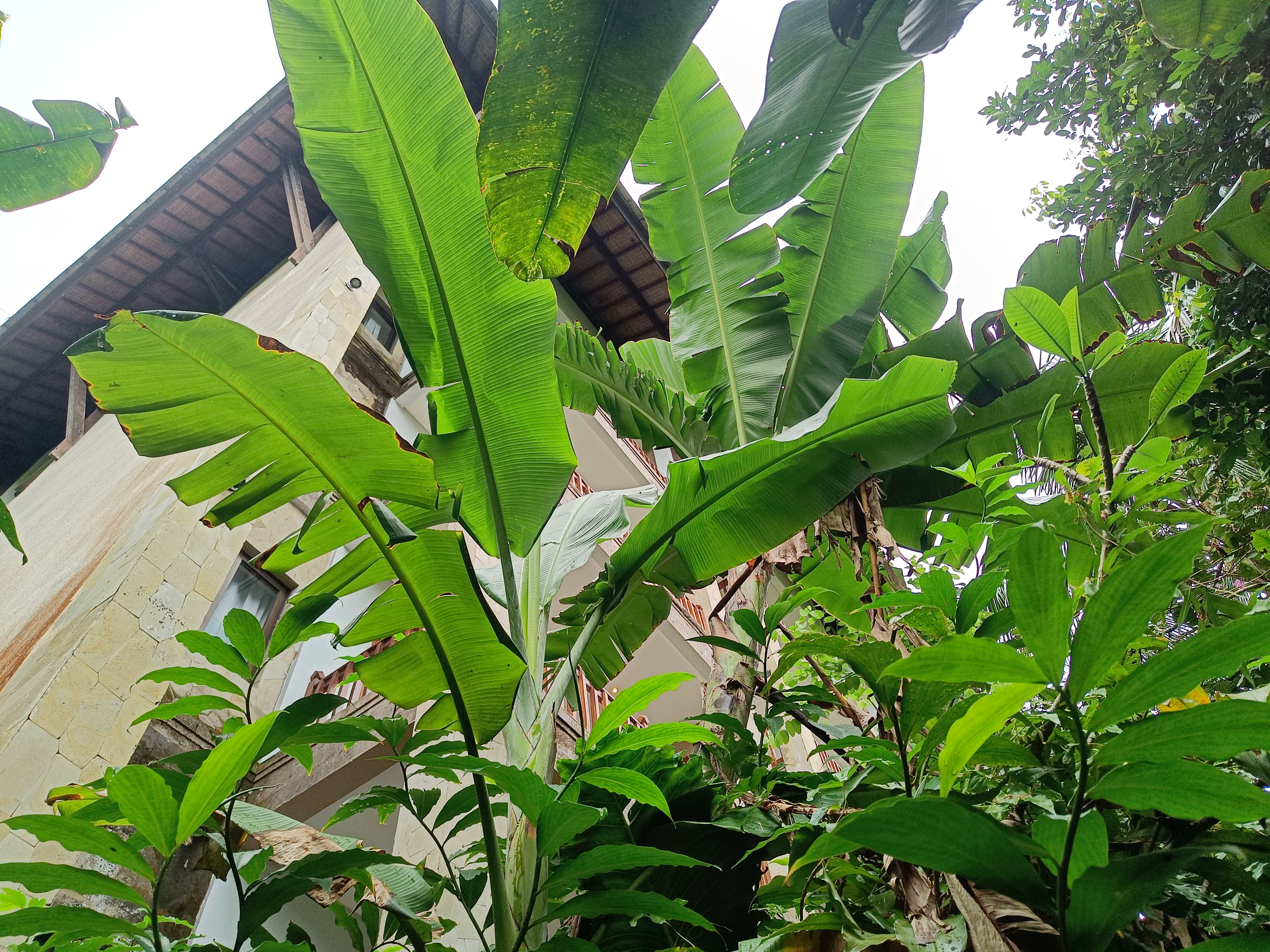
Pisang is a tropical fruit-bearing plant widely cultivated throughout Bali and Indonesia. Known for its broad green leaves and nutritious fruit, the banana plant plays an important role in tropical agriculture, culinary traditions, and cultural practices.

Cultural Meaning (Bali) :

Banana leaves and fruits are commonly used in Balinese offerings, ceremonies, and traditional food presentation. The plant symbolizes abundance, prosperity, and the strong relationship between nature and daily life.

Ecological Importance :

Banana plants help maintain soil moisture, support biodiversity, and contribute to the lush greenery of tropical ecosystems. Their large leaves also help create cooler surrounding environments.

Wellness / Traditional Benefits :

Bananas are rich in nutrients and are widely consumed as part of healthy tropical diets. Banana leaves are also traditionally used as natural food wrappers and serving materials.

Interesting Facts :

  • Despite its size, the banana plant is technically classified as a giant herb rather than a tree.
  • Almost every part of the banana plant can be utilized.
  • Banana leaves are commonly used in traditional Balinese cuisine and ceremonies.
  • Banana plants grow very quickly in tropical climates.

Conservation Status :

Common Tropical Fruit Plant Species

See Detail

Heliconia

Description :

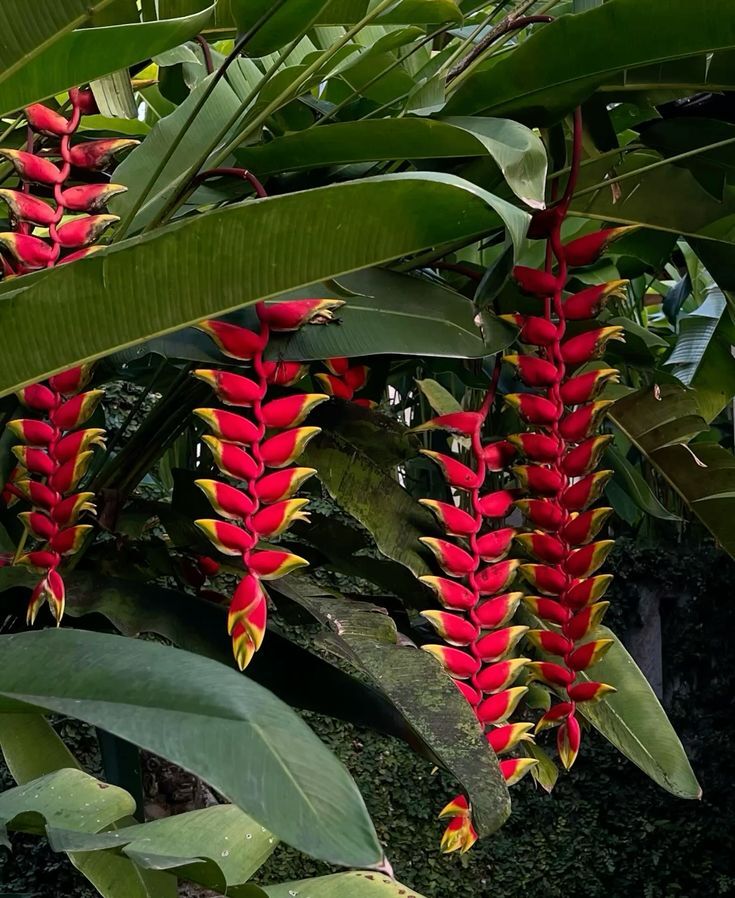
Heliconia is a striking tropical ornamental plant recognized for its colorful hanging flowers and lush foliage. Its dramatic appearance adds vibrant beauty to tropical gardens and resort landscapes.

Cultural Meaning (Bali) :

Colorful tropical plants are appreciated in Balinese landscaping for creating harmony, beauty, and a welcoming natural environment. Ornamental flowers symbolize tropical vitality and elegance.

Ecological Importance :

Heliconia flowers attract pollinators such as birds, butterflies, and insects, helping support biodiversity within tropical ecosystems.

Wellness / Traditional Benefits :

The plant’s vibrant appearance contributes to uplifting and calming tropical environments that support relaxation and wellness experiences.

Interesting Facts :

  • Heliconia flowers are known for their unusual claw-like shapes.
  • The plant thrives in warm and humid tropical climates.
  • Some species attract hummingbird-like pollinators in tropical regions.
  • Heliconia is widely used in tropical landscape design.

Conservation Status :

Common Tropical Ornamental Plant Species

See Detail

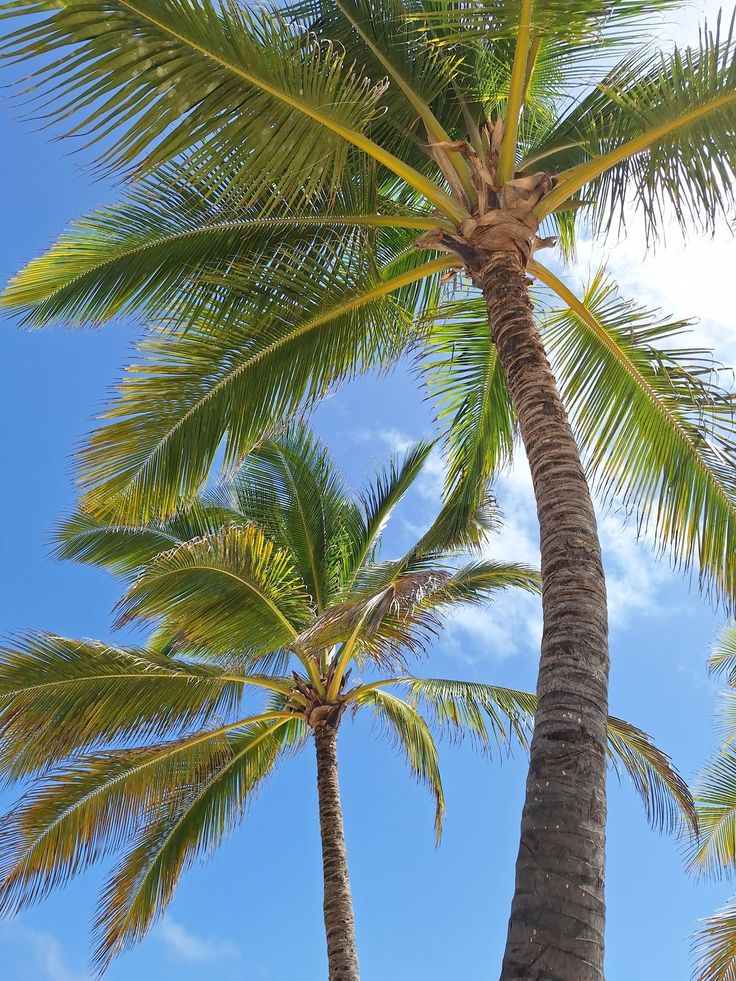
Palm Trees

Various tropical palms that add an exotic and elegant resort feel.
See Detail

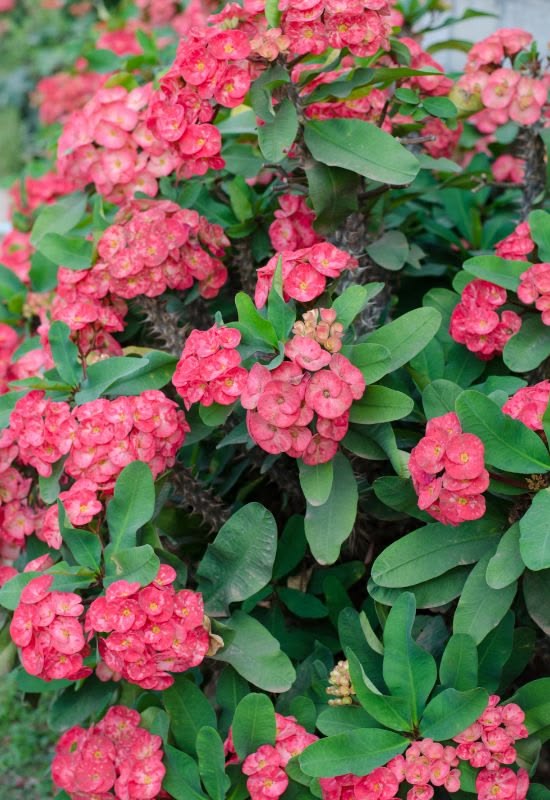
God’s Crown Plant

Description :

Mahkota Dewa is a medicinal tropical plant native to Indonesia, recognized for its bright red fruit and traditional herbal value. The plant is widely appreciated for both its ornamental appearance and its long history in natural wellness practices.

Cultural Meaning (Bali) :

Medicinal plants are highly respected in Balinese traditional knowledge and wellness culture. Mahkota Dewa represents the close relationship between nature and holistic healing practices within Indonesian heritage.

Ecological Importance :

The plant contributes to biodiversity and supports tropical garden ecosystems by providing greenery and habitat for small insects and pollinators.

Wellness / Traditional Benefits :

Mahkota Dewa has long been used in traditional herbal practices in Indonesia. Various parts of the plant are believed to support wellness when properly processed and traditionally prepared.

Interesting Facts :

  • The fruit changes from green to bright red when ripe.
  • Mahkota Dewa is widely known in Indonesia as a traditional medicinal plant.
  • Despite its medicinal reputation, some parts of the fruit should not be consumed raw.
  • The plant is often cultivated as both a wellness and ornamental species.

Conservation Status :

Traditional Medicinal Tropical Plant Species

See Detail