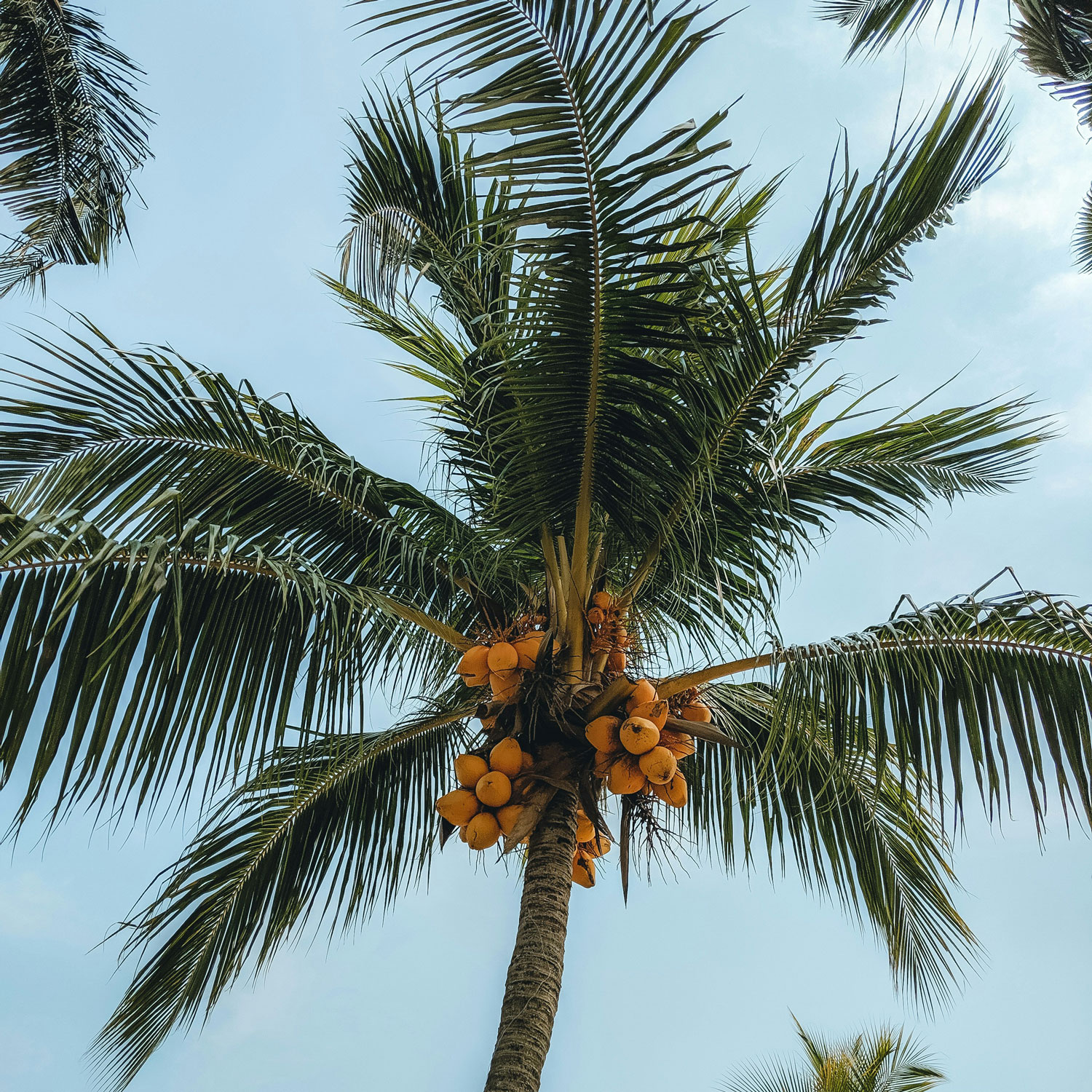
Tropical Forest Tree

Local Name

Gintungan

Scientific Name

Identification Pending

Family

Identification Pending

Description :

Gintungan is a tropical tree species commonly found in lush Balinese landscapes and natural environments. The tree contributes to the richness of tropical vegetation and enhances the serene atmosphere of resort gardens.

Cultural Meaning (Bali) :

Trees native to Bali’s tropical environment are often respected as important elements of harmony between humans and nature. Tropical vegetation plays an essential role in maintaining the spiritual and ecological balance of Balinese landscapes.

Ecological Importance :

The tree contributes to biodiversity, supports natural habitats for insects and birds, and helps maintain tropical environmental balance through shade and oxygen production.

Wellness / Traditional Benefits :

Tropical trees help create peaceful and refreshing natural surroundings that support relaxation, mindfulness, and wellness-oriented experiences within resort environments.

Interesting Facts :

  • Tropical trees are essential for maintaining Bali’s lush green ecosystem.
  • Mature trees help create cooler and more comfortable outdoor environments.
  • Many tropical species support biodiversity and local wildlife habitats.
  • Trees play a major role in preserving the natural beauty of Ubud.

Conservation Status :

Common Tropical Tree Species / Further Botanical Identification Recommended

Local Name

Latin Name

English Name

Bali Name

Type

Other Flora

Tropical Almond Tree

Description :

Ketapang is a large tropical shade tree recognized for its broad layered branches and seasonal color-changing leaves. The tree is widely planted in tropical landscapes for shade and environmental cooling.

Cultural Meaning (Bali) :

Shade trees such as Ketapang are valued in Balinese culture for creating peaceful communal spaces and maintaining harmony with the natural environment.

Ecological Importance :

Ketapang trees provide extensive shade, help reduce heat, improve air quality, and support habitats for birds and insects. Their fallen leaves also contribute nutrients back into the soil ecosystem.

Wellness / Traditional Benefits :

The calming shade and natural beauty of Ketapang trees help create relaxing outdoor spaces that support wellness and mindfulness experiences.

Interesting Facts :

  • Ketapang leaves change color before falling, similar to seasonal trees.
  • The tree can grow very wide and provide extensive shade.
  • The seeds are edible and resemble almonds.
  • Ketapang trees are commonly planted along tropical beaches and parks.

Conservation Status :

Common Tropical Shade Tree Species

See Detail

Heliconia / Lobster Claw Plant

Description :

Heliconia is a striking tropical ornamental plant recognized for its colorful hanging flowers and lush foliage. Its dramatic appearance adds vibrant beauty to tropical gardens and resort landscapes.

Cultural Meaning (Bali) :

Colorful tropical plants are appreciated in Balinese landscaping for creating harmony, beauty, and a welcoming natural environment. Ornamental flowers symbolize tropical vitality and elegance.

Ecological Importance :

Heliconia flowers attract pollinators such as birds, butterflies, and insects, helping support biodiversity within tropical ecosystems.

Wellness / Traditional Benefits :

The plant’s vibrant appearance contributes to uplifting and calming tropical environments that support relaxation and wellness experiences.

Interesting Facts :

  • Heliconia flowers are known for their unusual claw-like shapes.
  • The plant thrives in warm and humid tropical climates.
  • Some species attract hummingbird-like pollinators in tropical regions.
  • Heliconia is widely used in tropical landscape design.

Conservation Status :

Common Tropical Ornamental Plant Species

See Detail

Yellow Flame Tree

A beautiful shade tree with bright yellow blossoms that illuminate the garden.
See Detail

Hibiscus

Description :

Sepatudea, or hibiscus, is a vibrant tropical flowering plant admired for its large colorful blooms and ornamental beauty. The plant is widely used in tropical landscaping and enhances the visual appeal of gardens and resort environments.

Cultural Meaning (Bali) :

Hibiscus flowers are often associated with beauty, hospitality, and tropical elegance. In Bali, colorful flowers are commonly used to decorate homes, temples, and ceremonial offerings, representing harmony and gratitude toward nature.

Ecological Importance :

The bright flowers attract butterflies, bees, and pollinating insects that support biodiversity and ecological balance within tropical ecosystems.

Wellness / Traditional Benefits :

Certain hibiscus varieties are traditionally used in herbal drinks, natural hair care, and wellness practices. The flowers are also appreciated for their soothing visual beauty and calming garden presence.

Interesting Facts :

  • Hibiscus flowers bloom in many vibrant colors including red, pink, yellow, orange, and white.
  • Each flower usually blooms for only a short period of time.
  • The plant is popular in tropical gardens around the world.
  • Hibiscus flowers naturally attract butterflies and bees.

Conservation Status :

Common Tropical Flowering Plant

See Detail

Coral Tree

Description :

Dadap is a tropical flowering tree recognized for its striking red blossoms and distinctive branching structure. The tree is commonly planted in tropical regions for shade, landscaping, and environmental purposes.

Cultural Meaning (Bali) :

Trees with vibrant flowers are often appreciated in Balinese culture for symbolizing energy, vitality, and the beauty of nature. Dadap trees also contribute to the tropical identity of Balinese landscapes.

Ecological Importance :

Dadap trees support biodiversity by attracting birds, bees, and butterflies with their bright flowers. The tree also helps improve soil fertility through natural nitrogen fixation.

Wellness / Traditional Benefits :

In traditional communities, parts of the Dadap tree have been associated with natural herbal uses and environmental cooling benefits through its broad canopy.

Interesting Facts :

  • Dadap flowers are known for their bright coral-red color.
  • The tree is often used as a natural shade tree in tropical regions.
  • It belongs to the legume family, which helps enrich soil quality.
  • The flowers attract many pollinating birds and insects.

Conservation Status :

Common Tropical Flowering Tree Species

See Detail

Putat Tree

A local tree often found in moist areas, blending seamlessly with the natural environment.
See Detail