Frangipani

Local Name

Kamboja

Scientific Name

Plumeria rubra

Family

Apocynaceae

Description :

Kamboja is one of Bali’s most iconic tropical flowering trees, admired for its fragrant blossoms and elegant appearance. The flowers bloom in various colors and are strongly associated with the beauty and spirituality of Balinese culture.

Cultural Meaning (Bali) :

Frangipani flowers are widely used in Balinese offerings, temple ceremonies, and traditional decorations. The flower symbolizes purity, spirituality, beauty, and devotion.

Ecological Importance :

The fragrant flowers attract butterflies, bees, and pollinators, helping support biodiversity within tropical ecosystems. The tree also contributes to shade and natural landscaping beauty.

Wellness / Traditional Benefits :

The soothing fragrance of Kamboja flowers is often associated with relaxation and wellness. The flowers are commonly used in spa decorations, aromatherapy settings, and traditional floral arrangements.

Interesting Facts :

  • Frangipani flowers are highly fragrant, especially during the evening.
  • The flowers are commonly worn behind the ear in Bali.
  • Kamboja trees bloom beautifully throughout the year in tropical climates.
  • The tree is closely associated with Balinese temples and gardens.

Conservation Status :

Common Tropical Sacred Flowering Tree

Local Name

Latin Name

English Name

Bali Name

Type

Other Flora

Tropical Forest Tree

Description :

Gintungan is a tropical tree species commonly found in lush Balinese landscapes and natural environments. The tree contributes to the richness of tropical vegetation and enhances the serene atmosphere of resort gardens.

Cultural Meaning (Bali) :

Trees native to Bali’s tropical environment are often respected as important elements of harmony between humans and nature. Tropical vegetation plays an essential role in maintaining the spiritual and ecological balance of Balinese landscapes.

Ecological Importance :

The tree contributes to biodiversity, supports natural habitats for insects and birds, and helps maintain tropical environmental balance through shade and oxygen production.

Wellness / Traditional Benefits :

Tropical trees help create peaceful and refreshing natural surroundings that support relaxation, mindfulness, and wellness-oriented experiences within resort environments.

Interesting Facts :

  • Tropical trees are essential for maintaining Bali’s lush green ecosystem.
  • Mature trees help create cooler and more comfortable outdoor environments.
  • Many tropical species support biodiversity and local wildlife habitats.
  • Trees play a major role in preserving the natural beauty of Ubud.

Conservation Status :

Common Tropical Tree Species / Further Botanical Identification Recommended

See Detail

Croton Plant

Description :

Canging is an ornamental tropical plant admired for its colorful leaves and decorative appearance. Its vibrant foliage adds beauty and visual contrast to tropical gardens and landscaped resort environments.

Cultural Meaning (Bali) :

Decorative tropical plants are commonly used in Balinese compounds and garden landscapes to create harmony, beauty, and connection with nature. Colorful foliage plants are often appreciated for enhancing peaceful tropical surroundings.

Ecological Importance :

Ornamental plants contribute to biodiversity, support small insects and pollinators, and improve the aesthetic quality of tropical green spaces. They also help maintain environmental freshness and humidity.

Wellness / Traditional Benefits :

The presence of ornamental tropical plants helps create visually calming environments that support relaxation and wellness experiences. Green landscapes are often associated with stress reduction and mindfulness.

Interesting Facts :

  • Croton plants are famous for their highly colorful leaves.
  • Leaf colors may include green, yellow, orange, red, and purple.
  • Each plant often develops unique leaf patterns.
  • The plant is widely used in tropical garden landscaping.

Conservation Status :

Common Ornamental Tropical Plant

See Detail

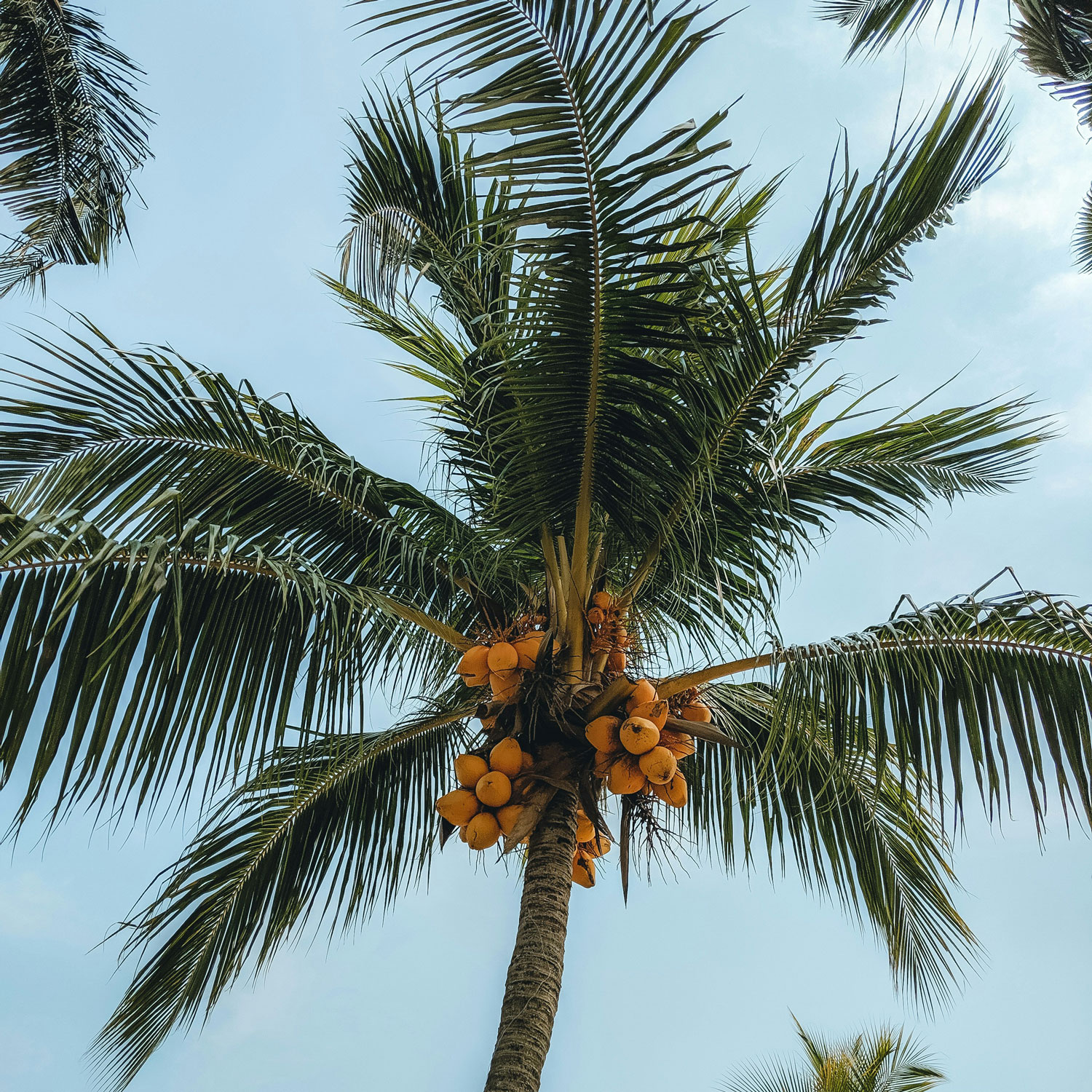
Palm Trees

Various tropical palms that add an exotic and elegant resort feel.
See Detail

Rain Tree

Description :

Sana is a large tropical shade tree known for its wide canopy and calming natural presence. Commonly found in tropical landscapes, the tree provides a cooling atmosphere and contributes to the lush greenery often associated with Bali’s natural environment.

Cultural Meaning (Bali) :

Large tropical trees such as Sana are often associated with protection, balance, and harmony with nature in Balinese culture. Trees with expansive canopies are traditionally valued for creating peaceful communal spaces and natural gathering areas.

Ecological Importance :

The tree provides significant shade, improves air quality, supports biodiversity, and creates habitat for birds and insects. Its broad canopy also helps reduce surrounding temperatures and maintain environmental humidity.

Wellness / Traditional Benefits :

The calming natural shade created by the tree contributes to relaxation and wellness experiences within tropical landscapes. Large tropical trees also help create more comfortable outdoor environments for mindfulness and rest.

Interesting Facts :

  • Rain Trees are known for their extremely wide umbrella-shaped canopy.
  • The tree can grow very large and provide shade over extensive areas.
  • Its leaves naturally fold during rainy weather and nighttime.
  • Large shade trees are important elements in tropical resort landscaping.

Conservation Status :

Common Tropical Shade Tree Species

See Detail

Bishop Wood Tree

A tall tropical tree providing natural shade and a true jungle ambience.
See Detail

Tabebuia Tree / Pink Trumpet Tree

Description :

Tabebuya is a beautiful flowering tree admired for its vibrant blossoms that bloom seasonally in shades of pink, yellow, white, or purple. The tree creates a spectacular visual display and enhances the beauty of tropical landscapes.

Cultural Meaning (Bali) :

Flowering trees are appreciated in Balinese landscapes for symbolizing beauty, renewal, and harmony with nature. Seasonal blooming trees help create uplifting and inspiring outdoor environments.

Ecological Importance :

Tabebuya flowers attract bees, butterflies, and pollinators that support biodiversity and ecological balance within tropical ecosystems.

Wellness / Traditional Benefits :

The colorful blossoms and natural beauty of Tabebuya trees help create calming outdoor spaces that support relaxation, mindfulness, and wellness-oriented experiences.

Interesting Facts :

  • Tabebuya trees often bloom dramatically when the branches are nearly leafless.
  • The blooming season creates stunning colorful landscapes.
  • The flowers resemble trumpet shapes.
  • Tabebuya trees are sometimes compared to Japanese cherry blossoms because of their seasonal beauty.

Conservation Status :

Common Tropical Ornamental Flowering Tree Species

See Detail