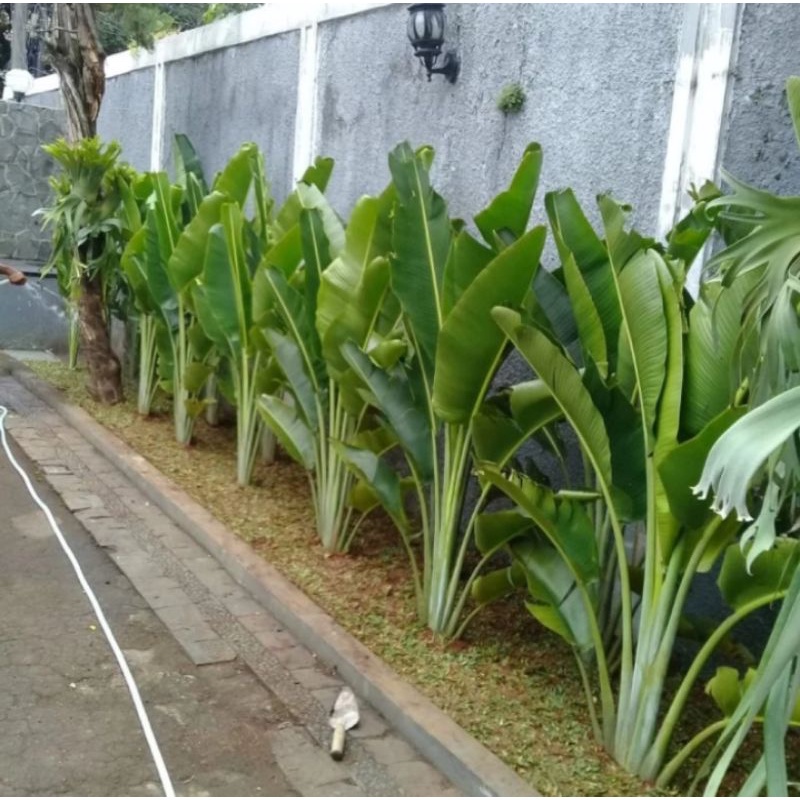
Palem Kipas is a tropical ornamental palm admired for its large fan-shaped leaves and elegant appearance. The plant is commonly used in tropical landscaping to create lush, shaded, and visually striking garden environments.
Palm species are closely associated with tropical beauty, harmony, and hospitality in Balinese landscapes. The symmetrical fan-like leaves symbolize balance and natural elegance within tropical garden settings.
Fan palms contribute to biodiversity, improve air quality, and help maintain tropical humidity. Their broad leaves also provide shelter for small insects and contribute to cooler outdoor environments.
The calming visual appearance of Palem Kipas helps create peaceful and relaxing tropical spaces often associated with wellness and mindfulness experiences.
Common Tropical Ornamental Palm Species
Ketapang is a large tropical shade tree recognized for its broad layered branches and seasonal color-changing leaves. The tree is widely planted in tropical landscapes for shade and environmental cooling.
Shade trees such as Ketapang are valued in Balinese culture for creating peaceful communal spaces and maintaining harmony with the natural environment.
Ketapang trees provide extensive shade, help reduce heat, improve air quality, and support habitats for birds and insects. Their fallen leaves also contribute nutrients back into the soil ecosystem.
The calming shade and natural beauty of Ketapang trees help create relaxing outdoor spaces that support wellness and mindfulness experiences.
Common Tropical Shade Tree Species
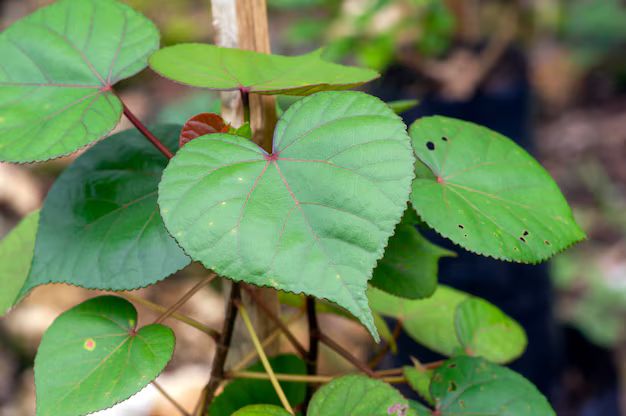
Mojo is a tropical fruit tree known for its aromatic fruit, medicinal value, and cultural significance in many parts of Asia. The tree grows well in warm climates and is appreciated for its resilience and natural beauty within tropical landscapes.
Traditional fruit trees are often associated with prosperity, balance, and harmony with nature in Balinese culture. Trees that produce beneficial fruits are highly valued for supporting both daily life and traditional wellness practices.
Mojo trees help support biodiversity by providing shade, flowers for pollinators, and habitat for birds and insects. Their presence also contributes to the greenery and ecological balance of tropical environments.
The fruit, leaves, and other parts of the tree have long been used in traditional herbal practices across Asia. The fruit is often associated with digestive wellness and natural health remedies.
Common Tropical Fruit Tree Species
Sana is a large tropical shade tree known for its wide canopy and calming natural presence. Commonly found in tropical landscapes, the tree provides a cooling atmosphere and contributes to the lush greenery often associated with Bali’s natural environment.
Large tropical trees such as Sana are often associated with protection, balance, and harmony with nature in Balinese culture. Trees with expansive canopies are traditionally valued for creating peaceful communal spaces and natural gathering areas.
The tree provides significant shade, improves air quality, supports biodiversity, and creates habitat for birds and insects. Its broad canopy also helps reduce surrounding temperatures and maintain environmental humidity.
The calming natural shade created by the tree contributes to relaxation and wellness experiences within tropical landscapes. Large tropical trees also help create more comfortable outdoor environments for mindfulness and rest.
Common Tropical Shade Tree Species
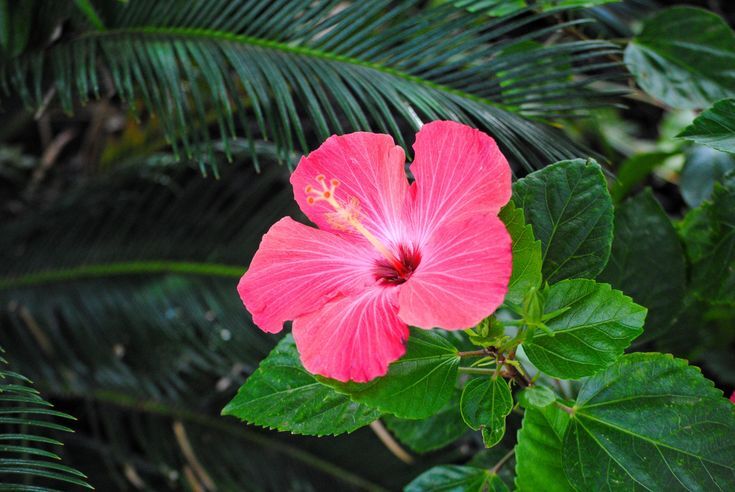
Sepatudea, or hibiscus, is a vibrant tropical flowering plant admired for its large colorful blooms and ornamental beauty. The plant is widely used in tropical landscaping and enhances the visual appeal of gardens and resort environments.
Hibiscus flowers are often associated with beauty, hospitality, and tropical elegance. In Bali, colorful flowers are commonly used to decorate homes, temples, and ceremonial offerings, representing harmony and gratitude toward nature.
The bright flowers attract butterflies, bees, and pollinating insects that support biodiversity and ecological balance within tropical ecosystems.
Certain hibiscus varieties are traditionally used in herbal drinks, natural hair care, and wellness practices. The flowers are also appreciated for their soothing visual beauty and calming garden presence.
Common Tropical Flowering Plant
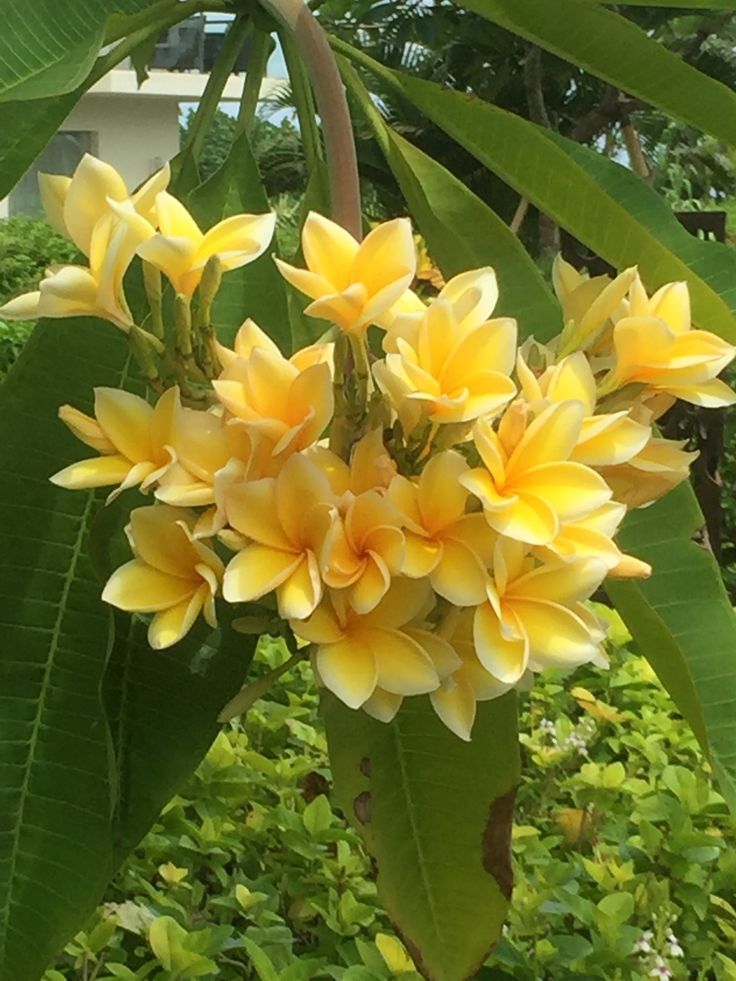
Tabebuya is a beautiful flowering tree admired for its vibrant blossoms that bloom seasonally in shades of pink, yellow, white, or purple. The tree creates a spectacular visual display and enhances the beauty of tropical landscapes.
Flowering trees are appreciated in Balinese landscapes for symbolizing beauty, renewal, and harmony with nature. Seasonal blooming trees help create uplifting and inspiring outdoor environments.
Tabebuya flowers attract bees, butterflies, and pollinators that support biodiversity and ecological balance within tropical ecosystems.
The colorful blossoms and natural beauty of Tabebuya trees help create calming outdoor spaces that support relaxation, mindfulness, and wellness-oriented experiences.
Common Tropical Ornamental Flowering Tree Species
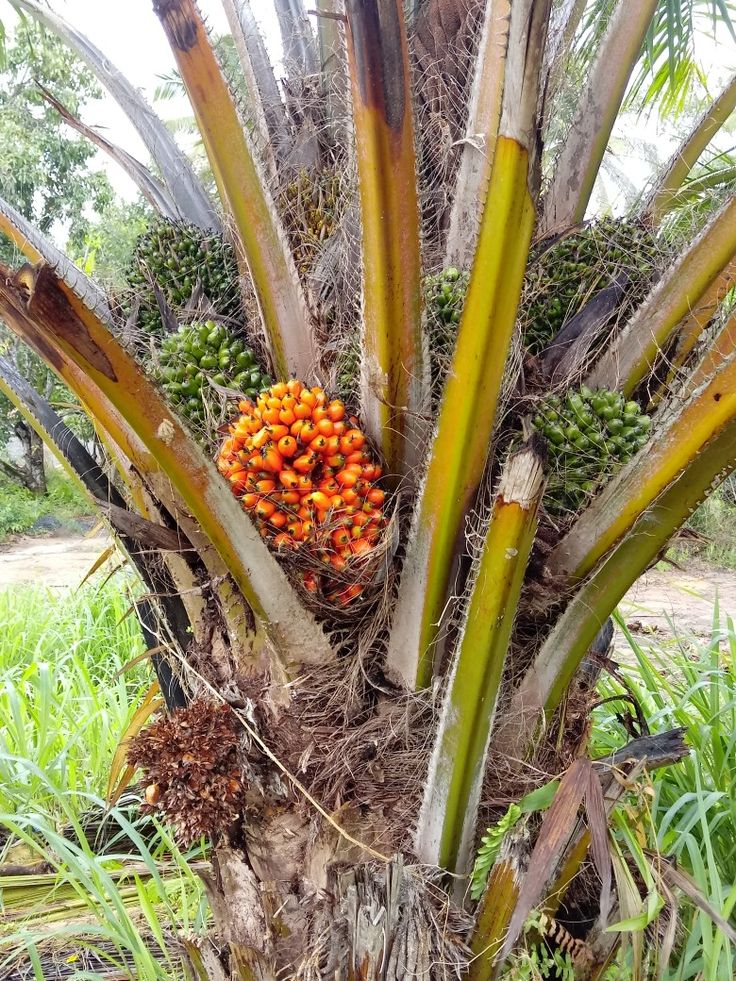
The Sugar Palm is a tropical palm species valued for its sweet sap, strong fibers, and traditional uses. The tree is commonly found in tropical forests and rural landscapes across Indonesia.
Palm trees such as Aren are traditionally connected to rural life, sustainability, and natural resourcefulness in Indonesian culture. The tree represents abundance and the practical relationship between humans and nature.
Aren trees help support biodiversity, improve soil stability, and contribute to the tropical ecosystem through their dense foliage and habitat value.
The sap of the Aren tree is traditionally processed into palm sugar and local beverages. Various parts of the tree are also used in handicrafts, roofing, and traditional culinary practices.
Traditional Tropical Palm Species
We use cookies to enhance your browsing experience and provide personalized content. By clicking "Accept All", you consent to our use of cookies. You can customize your preferences anytime.