Explore Our

Fauna of Our Jungle Resort

Fauna

Surrounded by the lush tropical landscape of The Lokha Ubud Resort Villas and Spa, our jungle resort is also home to a diverse array of native and tropical wildlife that flourishes alongside nature. From colorful birds and graceful butterflies to the gentle sounds of creatures hidden among the trees, these fascinating inhabitants bring the jungle to life, creating a vibrant sanctuary where guests can experience the natural beauty and harmony of Bali.

Each animal within the resort is naturally welcomed as part of the vibrant ecosystem, contributing to the delicate balance of life in the jungle. From colorful birds and graceful butterflies to small creatures that quietly inhabit the trees and gardens, our fauna adds a sense of wonder and discovery. Guests are invited to slow down, observe, and appreciate the diverse wildlife that makes the tropical surroundings of Bali truly alive.

This living landscape is not only a visual experience, but also a gentle reminder of our commitment to sustainability, balance, and mindful living in the heart of Bali.

Local Name

Latin Name

English Name

Bali Name

Type

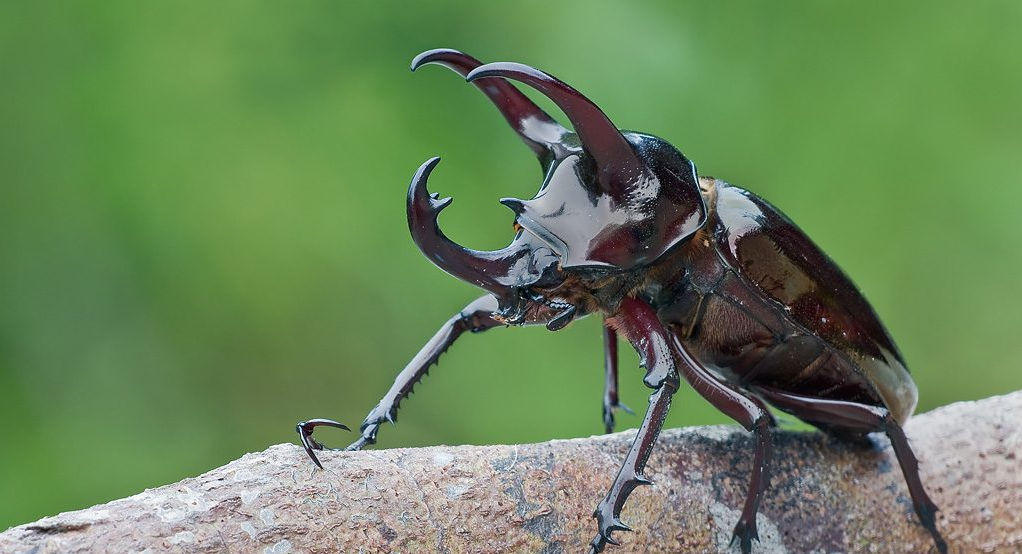
Rhinoceros Beetle

See Detail

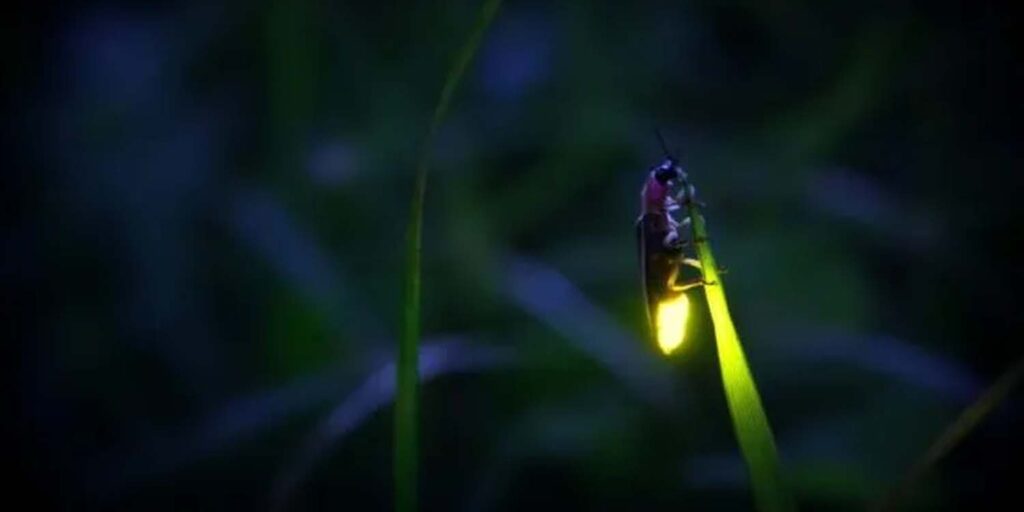
Lightning Bug

Fireflies are soft-bodied beetles belonging to the family Lampyridae, famous for their ability to produce bioluminescent light from their lower abdomen. This chemical light is primarily used to attract mates and communicate with other individuals. Thriving in warm, humid tropical environments with clean water sources and dense vegetation, fireflies feed on nectar or smaller soft-bodied insects. In Bali, their glowing presence in rice fields and gardens serves as a natural indicator of a healthy, unpolluted ecosystem.
See Detail

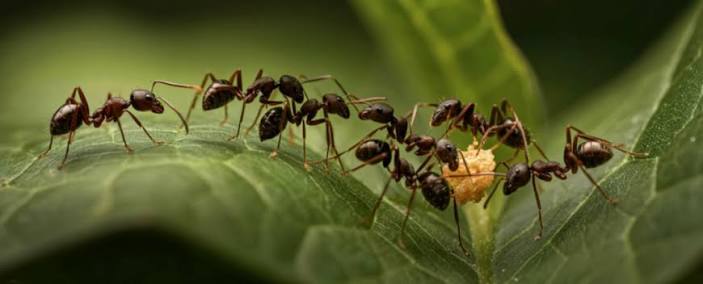
Ant

Ants are highly social insects belonging to the family Formicidae, living in organized colonies with specialized roles such as workers, soldiers, and queens. Known for their incredible strength relative to their size, communication via chemical scents (pheromones), and complex nest building, ants feed on honeydew, nectar, seeds, and small insects. They play a vital ecological role in Bali’s tropical gardens and natural landscapes as soil aerators, decomposers, and seed dispersers.
See Detail

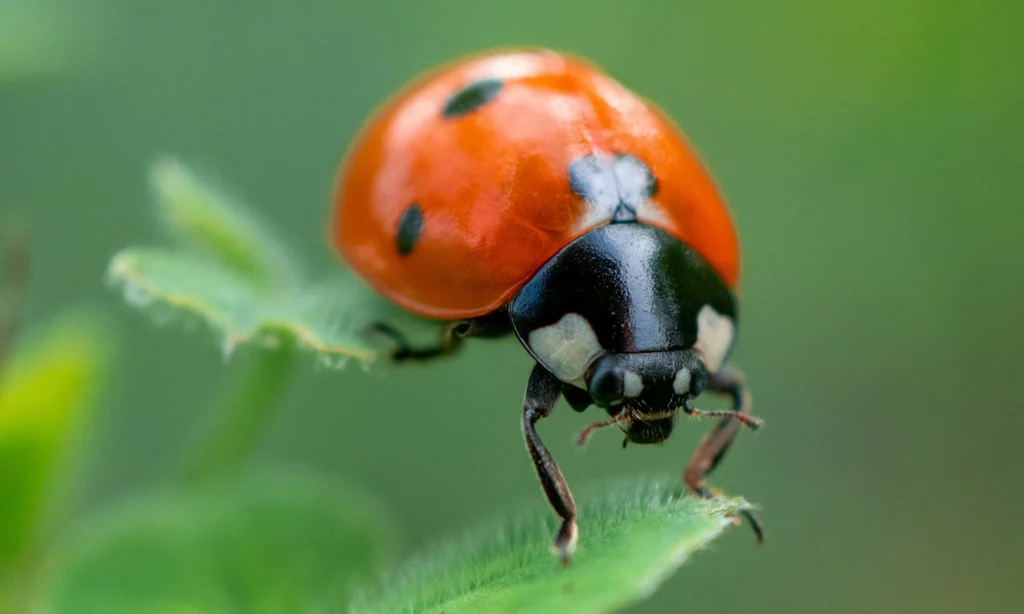
Beetle

Beetles are insects belonging to the order Coleoptera, recognized by their hard, protective forewings (elytra) that cover and shield their delicate flight wings. With a wide variety of species, they undergo complete metamorphosis from larvae (grubs) to adult beetles. Depending on the species, they feed on leaves, wood, fruit, nectar, or decaying organic material, playing an essential ecological role as pollinators, decomposers, and natural pest regulators in Bali’s rich gardens and lush forest ecosystems
See Detail

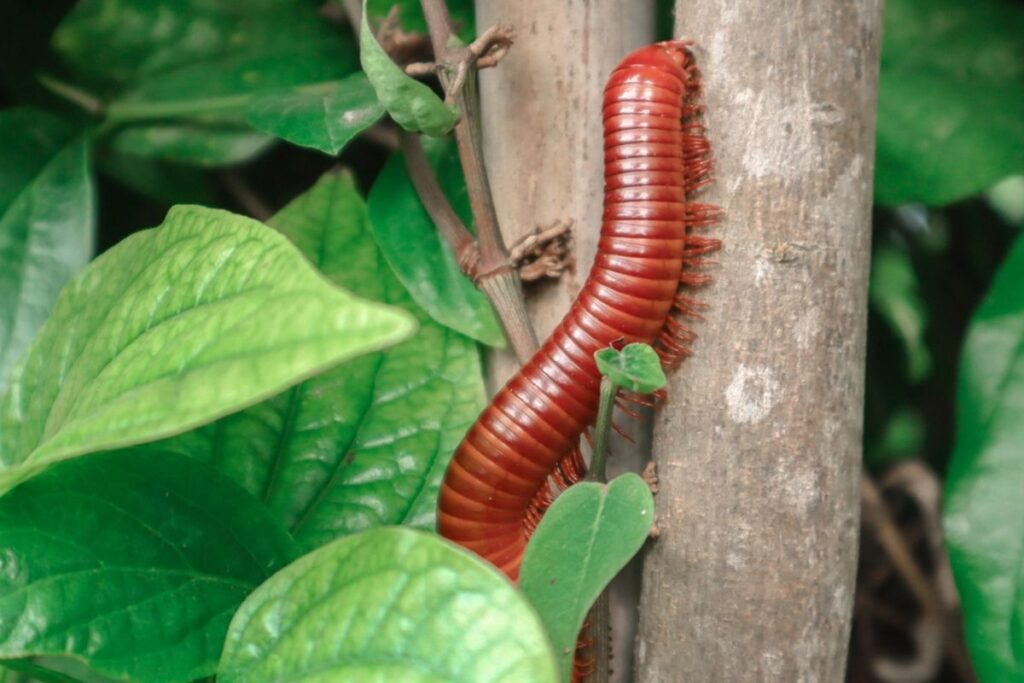
Centipede

See Detail

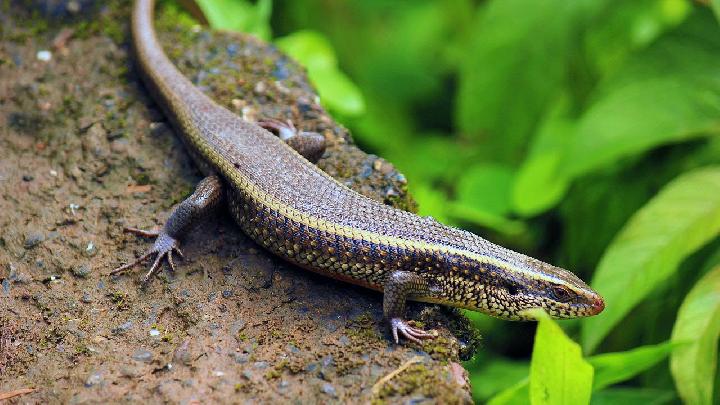
Garden Lizard

Lizards are scaled, cold-blooded reptiles characterized by long bodies, four agile legs, and typically a long tail that can detach as a defense mechanism against predators. Active during the day (diurnal), they bask in the sun to regulate their body temperature and feed primarily on insects, spiders, and small invertebrates. Agile and alert, lizards are a common sight darting through tropical gardens, stone walls, and natural landscapes across Bali, playing an important role in controlling local insect populations.
See Detail

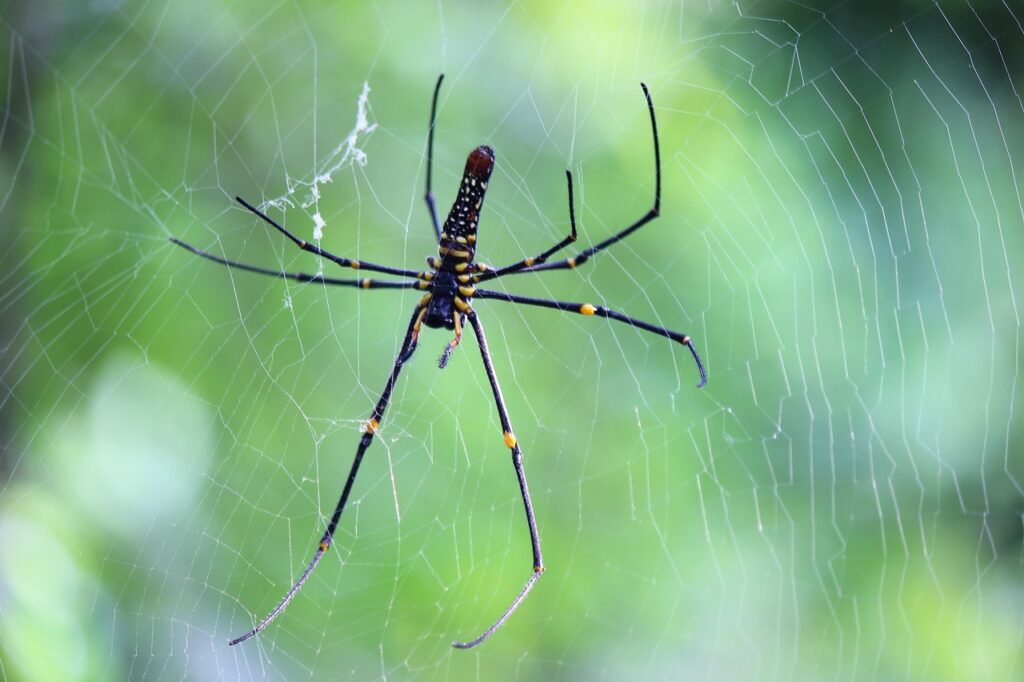
Spider

Spiders are air-breathing arthropods characterized by eight legs, chelicerae with fangs, and the ability to spin silk webs to capture prey. Unlike insects, they have two body segments (cephalothorax and abdomen) and lack wings or antennae. Mainly feeding on flying insects like flies and mosquitoes, spiders serve as vital natural pest controllers in Balinese tropical gardens, forests, and outdoor spaces.
See Detail

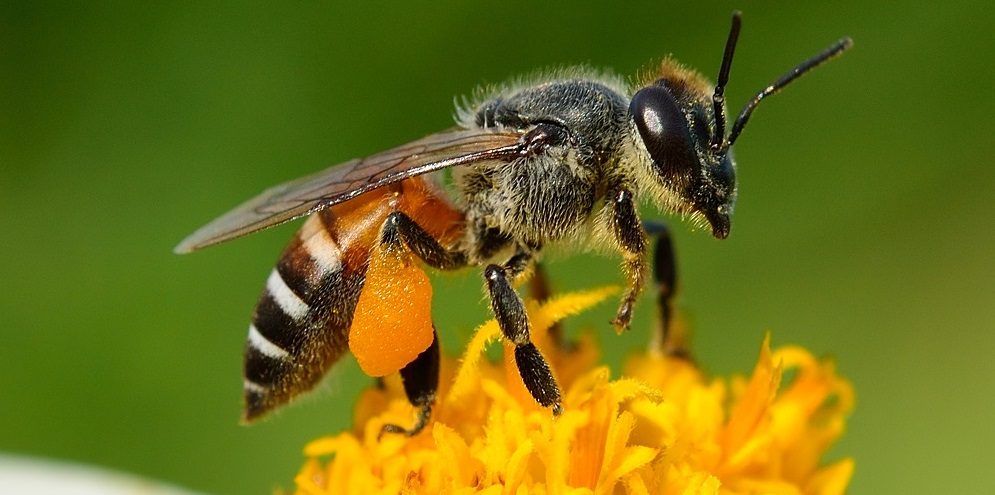
Honey Bee

See Detail

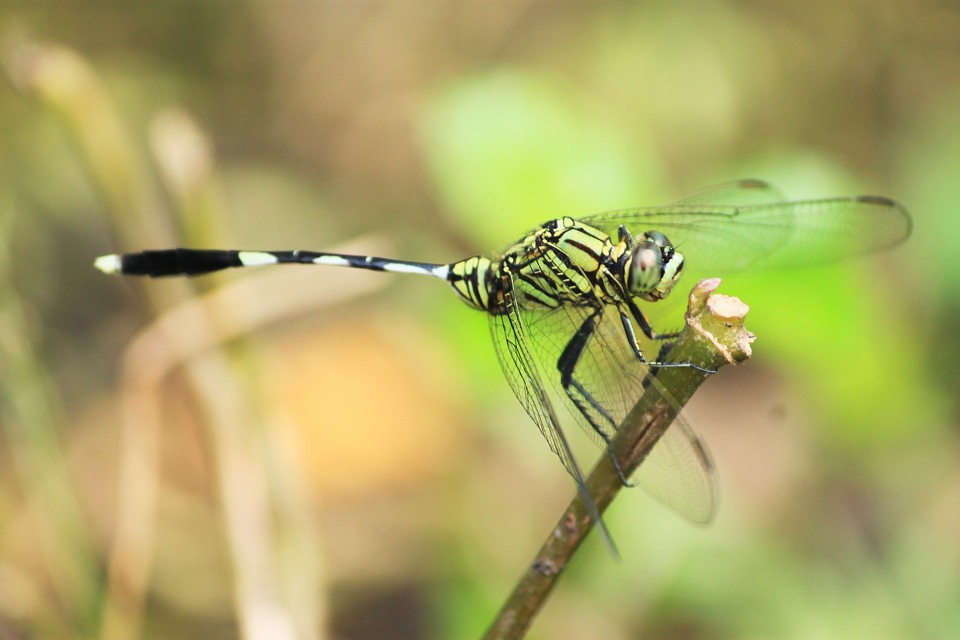
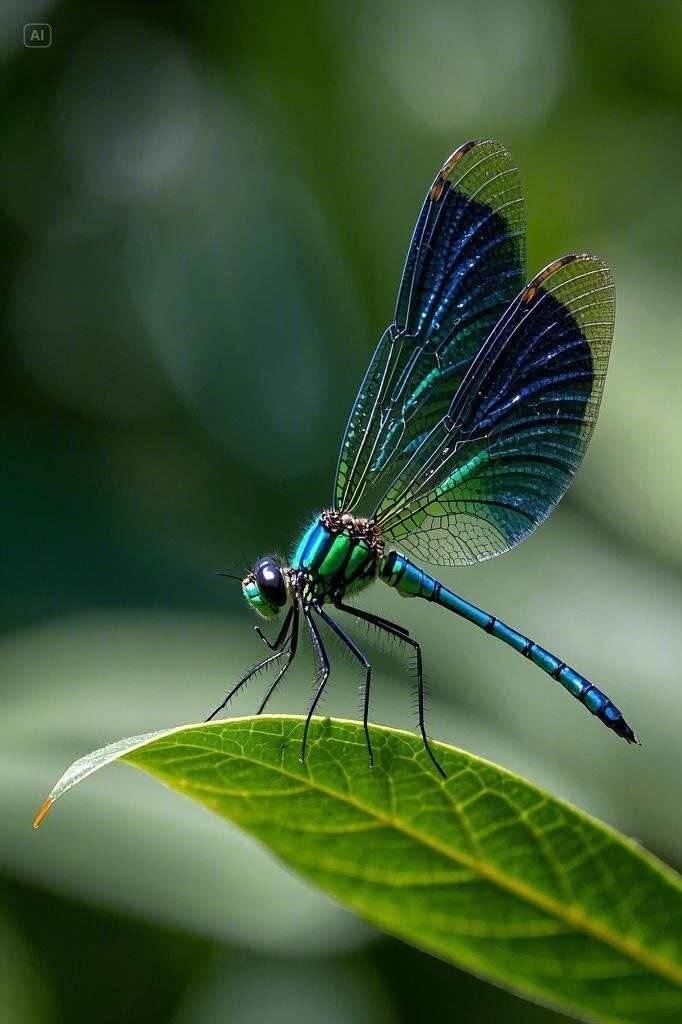
Dragonfly

The dragonfly is a fast-flying insect belonging to the order Odonata, characteristically identified by its large compound eyes, elongated body, and two pairs of strong, transparent wings. Known for their exceptional aerial agility, dragonflies are skilled predators that feed on mosquitoes, midges, and small flying insects. Typically found near freshwater sources like ponds, rivers, and rice paddies, they serve as key bioindicators of a healthy, clean environment throughout Bali.
See Detail

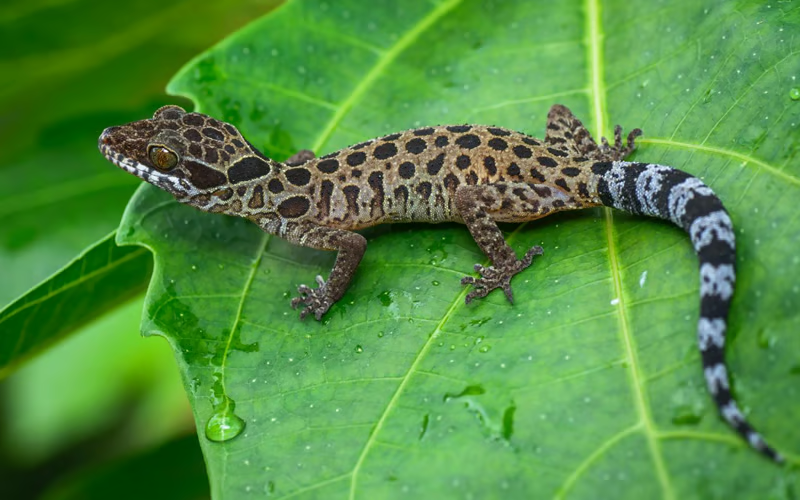
Gecko

The common house gecko is a small, nocturnal reptile widely found across tropical regions. Characterized by its soft, pale skin and specialized adhesive toe pads, it can easily scale smooth vertical walls and ceilings. Feeding mainly on mosquitoes, flies, and small insects, this agile reptile plays an essential role in natural pest control and is a familiar presence around Balinese homes, gardens, and resort spaces
See Detail

Mozambique Tilapia

The Mozambique Tilapia is a freshwater fish native to southeastern Africa, widely introduced to tropical regions including Bali. Characterized by its dull greyish-green coloration and high adaptability to various aquatic environments, it feeds primarily on algae, aquatic plants, and detritus. Widely cultivated in Balinese aquaculture and freshwater ponds, it serves as a popular and essential local food source.
See Detail

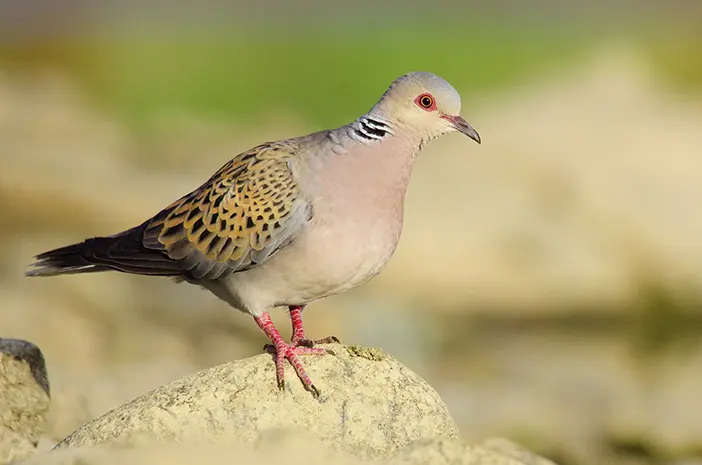
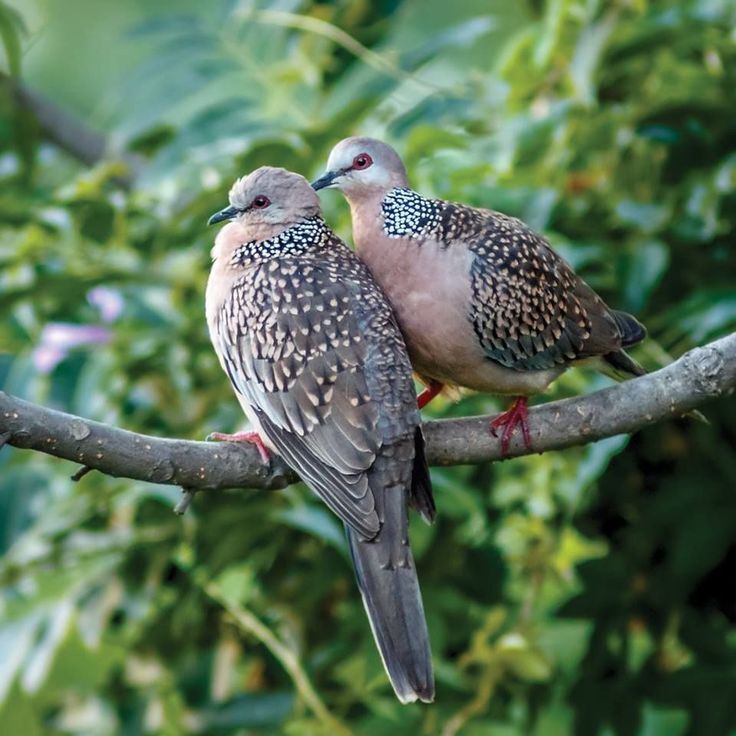
Zebra Dove

The Zebra Dove is a small, brownish-grey bird belonging to the dove family Columbidae, easily recognized by its distinctive black-and-white barred pattern on its neck and sides. Native to Southeast Asia, it feeds mainly on small seeds and grass grains found on the ground. Celebrated in traditional culture for its gentle demeanor and melodious, soothing cooing call, this bird is frequently kept in gardens and homes across Bali as a symbol of tranquility and good fortune.
See Detail

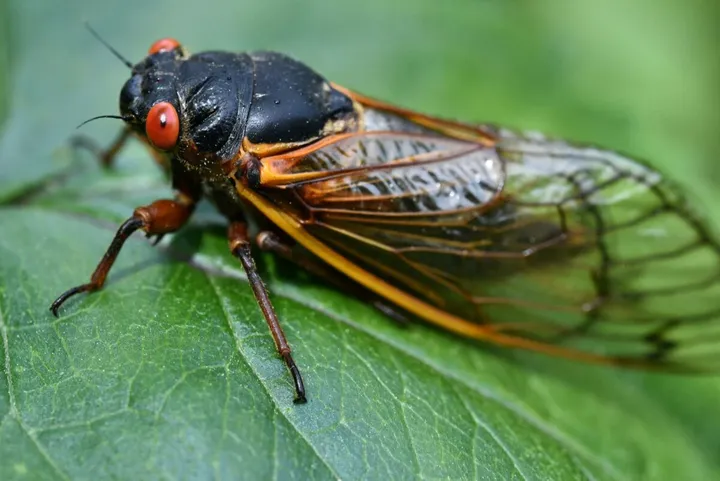
Cicada

Cicadas are sturdy insects known for their large compound eyes, transparent wings, and the loud, rhythmic buzzing sound produced by male cicadas to attract mates. Spending most of their lives underground as nymphs before emerging to transform into adults, they feed primarily on plant sap. In tropical regions like Bali, their distinctive calls are often associated with seasonal shifts and can be heard echoing throughout lush gardens, forests, and trees during late afternoons.
See Detail

Pigeon

The pigeon is a stout-bodied bird with a short neck and short, slender bill, belonging to the family Columbidae. Well-adapted to both natural environments and urban settings, pigeons feed primarily on seeds, grains, and fruits. Recognized as a global symbol of peace and love, these gentle birds are known for their exceptional navigation abilities, strong homing instincts, and distinctive cooing calls.
See Detail

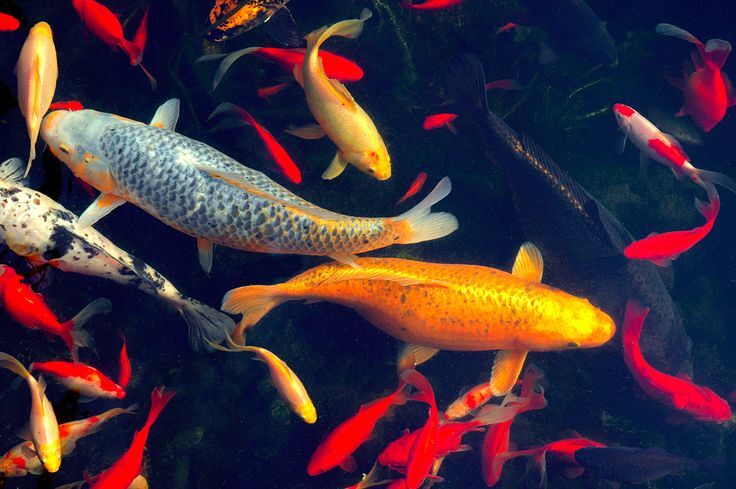
Koi

Koi are domesticated ornamental varieties of the Amur carp (Cyprinus rubrofuscus) widely kept in outdoor ponds and water gardens for decorative purposes. Renowned for their striking color variations—including white, red, black, yellow, and orange—koi are active, friendly freshwater fish that symbolize good fortune, strength, and perseverance. They can grow quite large, live for several decades with proper care, and thrive in clean, oxygen-rich freshwater environments.
See Detail

Squirrel

Tupai (Plantain Squirrel / Treeshrew) is a small, agile mammal commonly found in trees across Southeast Asia. It features a slender body, sharp claws for climbing, a pointed snout, and a bushy tail. Active mainly during the day (diurnal), its diet consists of fruits, seeds, small insects, and nectar. In Bali, it is locally known as Semal and is frequently spotted in coconut groves, tropical gardens, and lush forest areas.
See Detail

Butterfly

Butterflies are beautifully winged insects belonging to the order Lepidoptera. They undergo a complete metamorphosis, progressing through four distinct stages: egg, caterpillar (larva), chrysalis (pupa), and adult butterfly (imago). Renowned for their vibrant wing patterns formed by tiny, delicate scales, these insects are diurnal—active mainly during the day—and play a vital role as natural pollinators for flowering plants.
See Detail