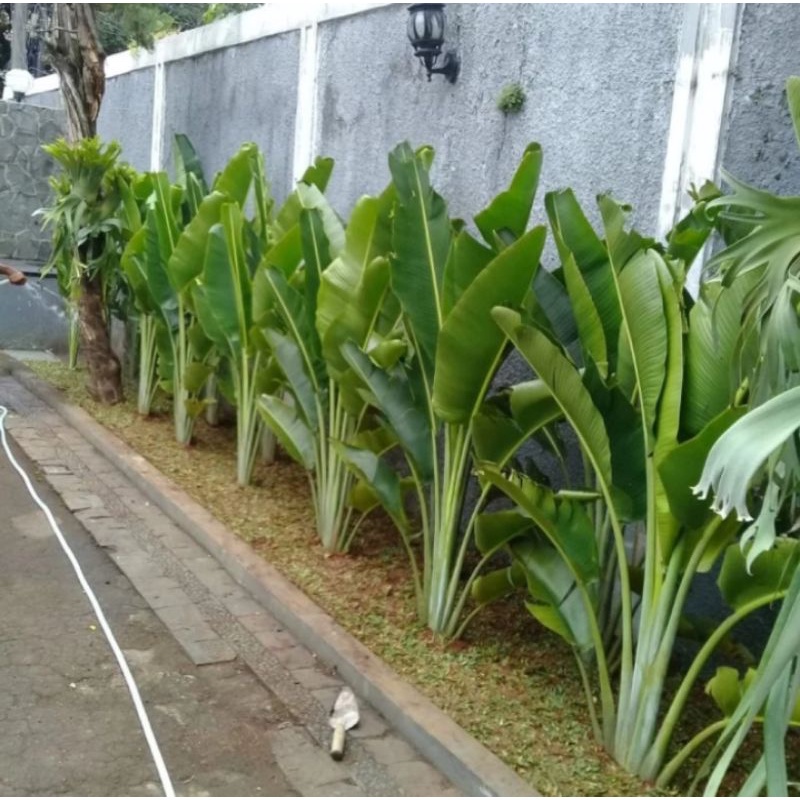
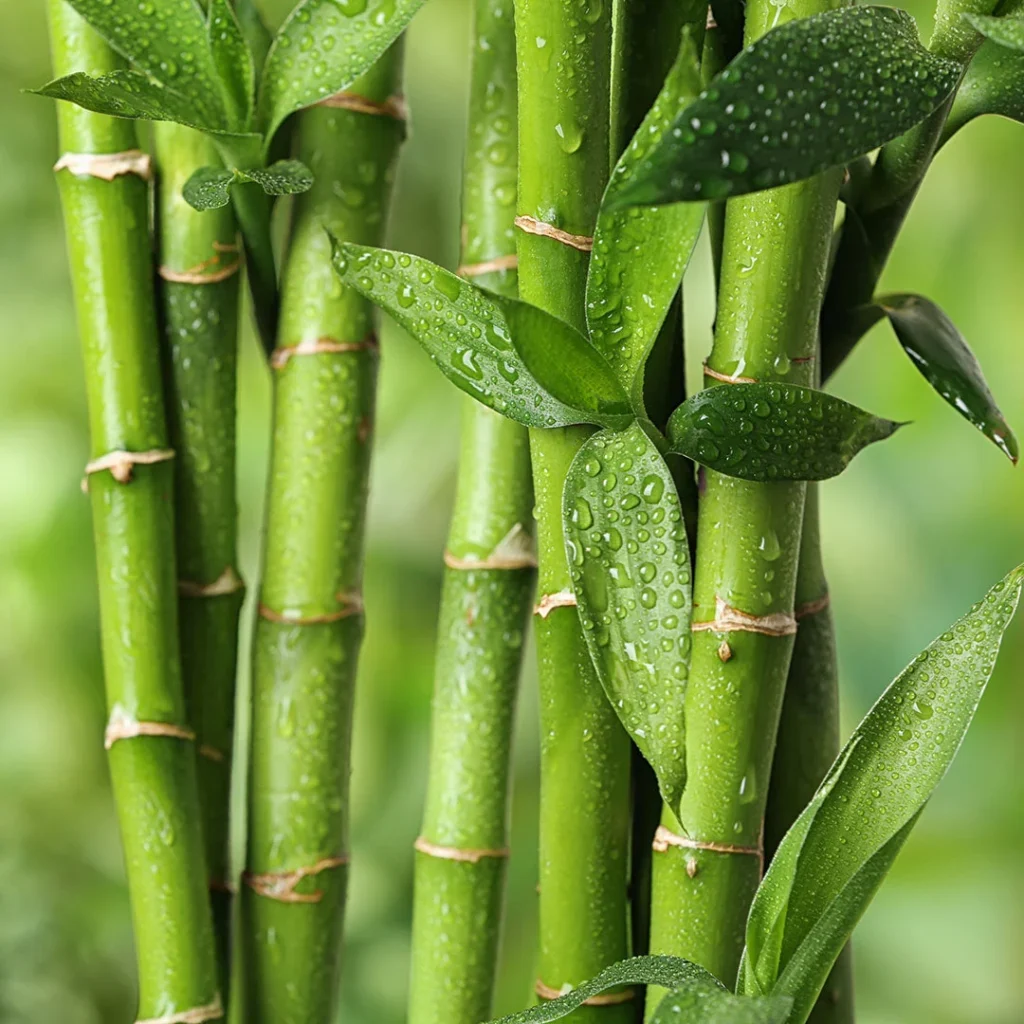
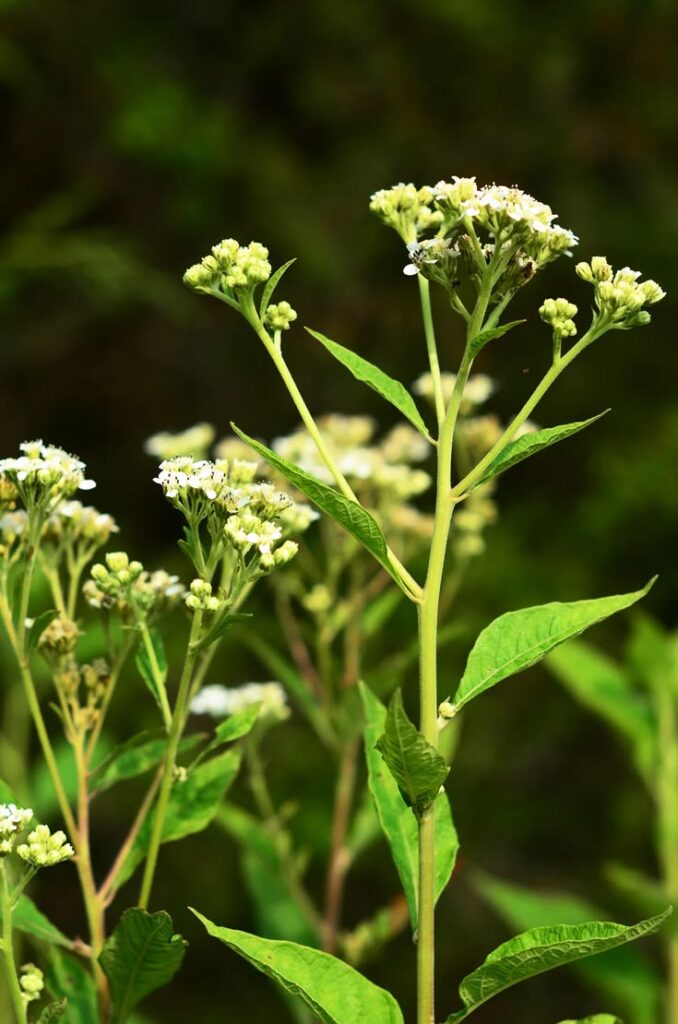
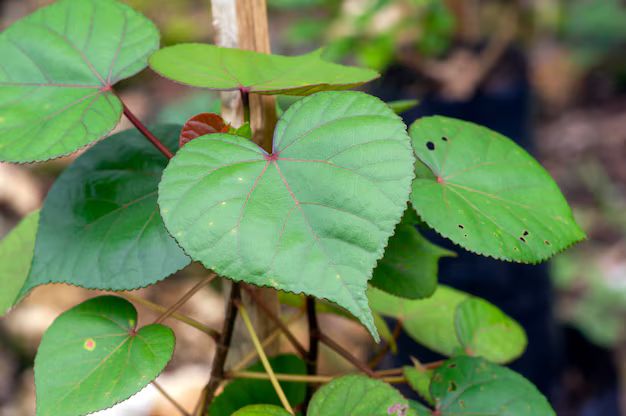
Fan Palm

Local Name

Palem Kipas

Scientific Name

Licuala grandis

Family

Arecaceae

Description :

Palem Kipas is a tropical ornamental palm admired for its large fan-shaped leaves and elegant appearance. The plant is commonly used in tropical landscaping to create lush, shaded, and visually striking garden environments.

Cultural Meaning (Bali) :

Palm species are closely associated with tropical beauty, harmony, and hospitality in Balinese landscapes. The symmetrical fan-like leaves symbolize balance and natural elegance within tropical garden settings.

Ecological Importance :

Fan palms contribute to biodiversity, improve air quality, and help maintain tropical humidity. Their broad leaves also provide shelter for small insects and contribute to cooler outdoor environments.

Wellness / Traditional Benefits :

The calming visual appearance of Palem Kipas helps create peaceful and relaxing tropical spaces often associated with wellness and mindfulness experiences.

Interesting Facts :

  • The leaves can grow in nearly perfect circular fan shapes.
  • Fan palms are popular ornamental plants in tropical resorts and botanical gardens.
  • The plant thrives in warm and humid environments.
  • Its unique leaf shape creates dramatic tropical visual appeal.

Conservation Status :

Common Tropical Ornamental Palm Species

Local Name

Latin Name

English Name

Bali Name

Type

Other Flora

Palm Trees

Various tropical palms that add an exotic and elegant resort feel.
See Detail

Screw Tree

A unique shrub with twisted pods, commonly found in Baliโ€™s natural landscapes.
See Detail

Mangga

A shade-giving tree with heart-shaped leaves, commonly found across Bali.
See Detail

Yellow Flame Tree

A beautiful shade tree with bright yellow blossoms that illuminate the garden.
See Detail

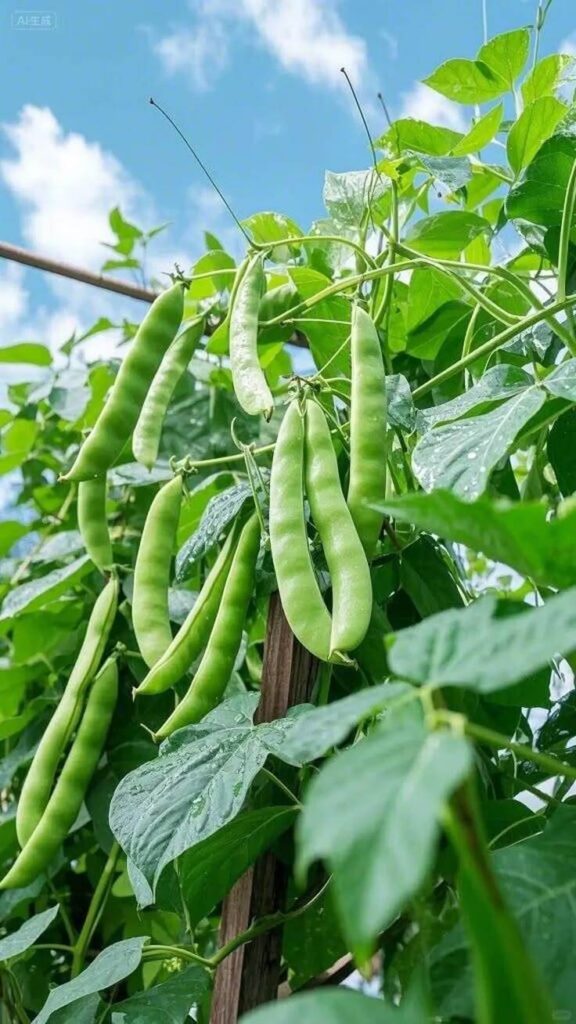
Legume Plants

Description :

Kacang-kacangan refers to various legume plants commonly grown in tropical regions for food, ground cover, and ecological purposes. These plants are important components of sustainable tropical agriculture.

Cultural Meaning (Bali) :

Legume crops are traditionally connected to local farming culture and sustainable food systems in Bali and Indonesia. They symbolize nourishment, productivity, and the relationship between humans and the land.

Ecological Importance :

Legume plants help improve soil fertility through natural nitrogen fixation while supporting biodiversity and sustainable ecosystems.

Wellness / Traditional Benefits :

Legumes are rich in protein, fiber, and nutrients and are widely consumed as part of healthy traditional diets.

Interesting Facts :

  • Legume plants naturally enrich soil quality.
  • Many tropical legumes grow quickly and easily.
  • Legumes are important food sources worldwide.
  • The Fabaceae family is one of the largest plant families on Earth.

Conservation Status :

Common Agricultural Plant Species

See Detail

Banana Plant

Description :

Pisang is a tropical fruit-bearing plant widely cultivated throughout Bali and Indonesia. Known for its broad green leaves and nutritious fruit, the banana plant plays an important role in tropical agriculture, culinary traditions, and cultural practices.

Cultural Meaning (Bali) :

Banana leaves and fruits are commonly used in Balinese offerings, ceremonies, and traditional food presentation. The plant symbolizes abundance, prosperity, and the strong relationship between nature and daily life.

Ecological Importance :

Banana plants help maintain soil moisture, support biodiversity, and contribute to the lush greenery of tropical ecosystems. Their large leaves also help create cooler surrounding environments.

Wellness / Traditional Benefits :

Bananas are rich in nutrients and are widely consumed as part of healthy tropical diets. Banana leaves are also traditionally used as natural food wrappers and serving materials.

Interesting Facts :

  • Despite its size, the banana plant is technically classified as a giant herb rather than a tree.
  • Almost every part of the banana plant can be utilized.
  • Banana leaves are commonly used in traditional Balinese cuisine and ceremonies.
  • Banana plants grow very quickly in tropical climates.

Conservation Status :

Common Tropical Fruit Plant Species

See Detail