
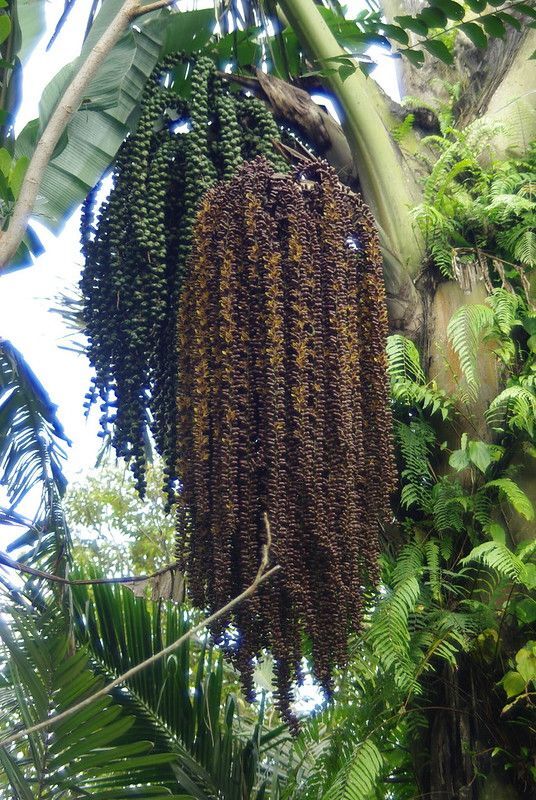
The Sugar Palm is a tropical palm species valued for its sweet sap, strong fibers, and traditional uses. The tree is commonly found in tropical forests and rural landscapes across Indonesia.
Palm trees such as Aren are traditionally connected to rural life, sustainability, and natural resourcefulness in Indonesian culture. The tree represents abundance and the practical relationship between humans and nature.
Aren trees help support biodiversity, improve soil stability, and contribute to the tropical ecosystem through their dense foliage and habitat value.
The sap of the Aren tree is traditionally processed into palm sugar and local beverages. Various parts of the tree are also used in handicrafts, roofing, and traditional culinary practices.
Traditional Tropical Palm Species


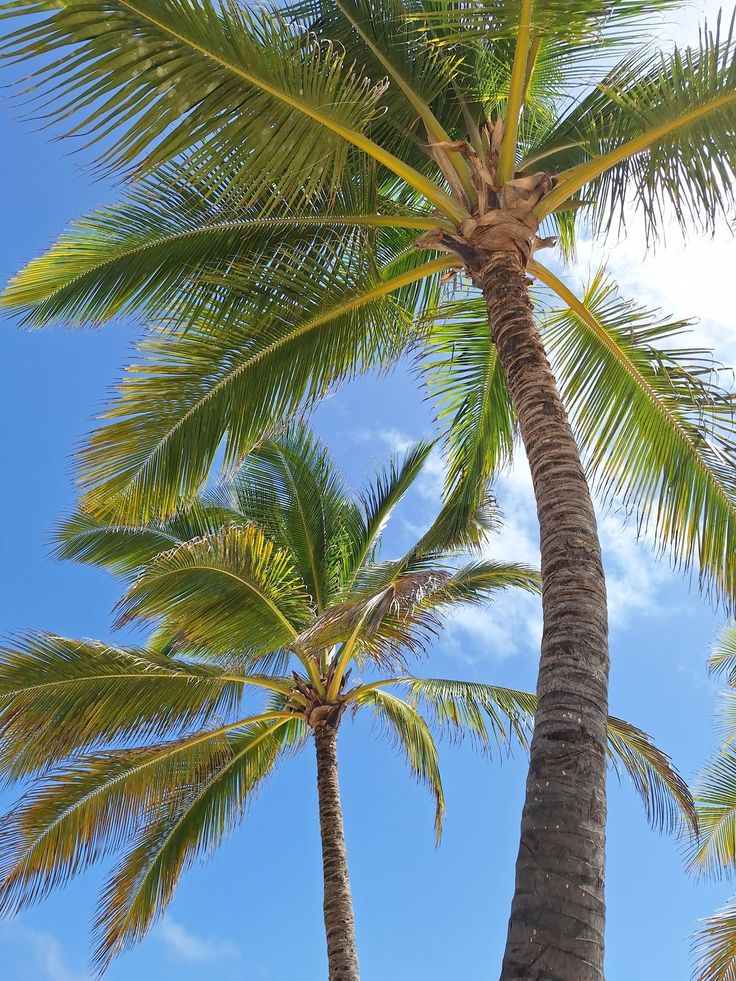
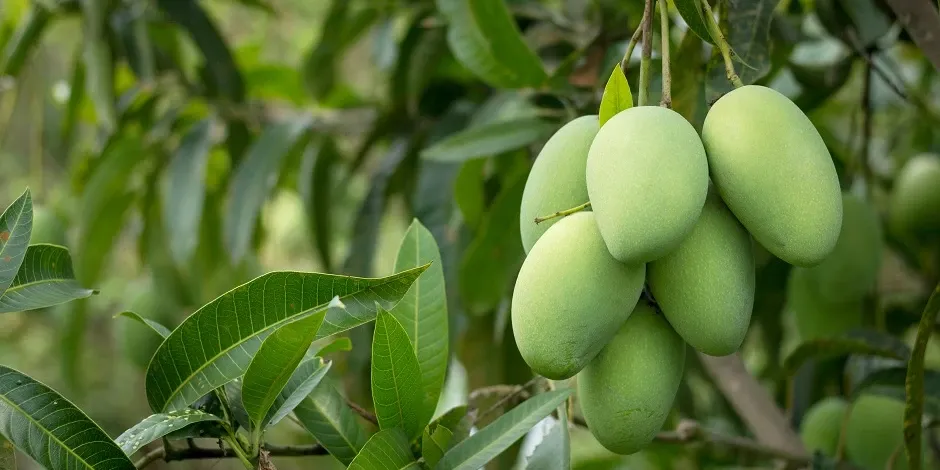
Wani is a rare tropical fruit tree native to Bali and several parts of Indonesia. Closely related to the mango, the fruit is known for its pale flesh, fragrant aroma, and unique sweet taste. Wani is considered one of Bali’s distinctive local tropical fruits.
Wani fruit is closely connected to Balinese agricultural heritage and traditional village life. Local fruit trees are valued as symbols of abundance, sustainability, and the island’s deep relationship with nature.
The tree supports tropical biodiversity by providing food sources for birds and insects while contributing to the greenery and ecological balance of tropical landscapes.
Wani fruit contains natural nutrients and is traditionally enjoyed fresh as part of Bali’s tropical culinary culture. Fruit-bearing trees also contribute to healthier and more sustainable environments.
Traditional Local Tropical Fruit Species / Limited Cultivation Areas

Mangga is a popular tropical fruit tree admired for its sweet fruit, dense canopy, and refreshing shade. Mango trees thrive in warm climates and are commonly found in tropical gardens, villages, and agricultural landscapes throughout Bali and Indonesia.
Fruit-bearing trees are traditionally valued in Balinese culture as symbols of abundance, prosperity, and the harmonious relationship between humans and nature. Mango trees are often planted in family compounds and tropical gardens.
Mango trees support biodiversity by providing food and habitat for birds, insects, and pollinators. Their broad canopy also helps cool the environment and improve air quality.
Mango fruits are rich in vitamins and antioxidants and are widely enjoyed fresh or in tropical dishes and beverages. Traditionally, various parts of the tree have also been associated with natural wellness practices.
Common Tropical Fruit Tree Species
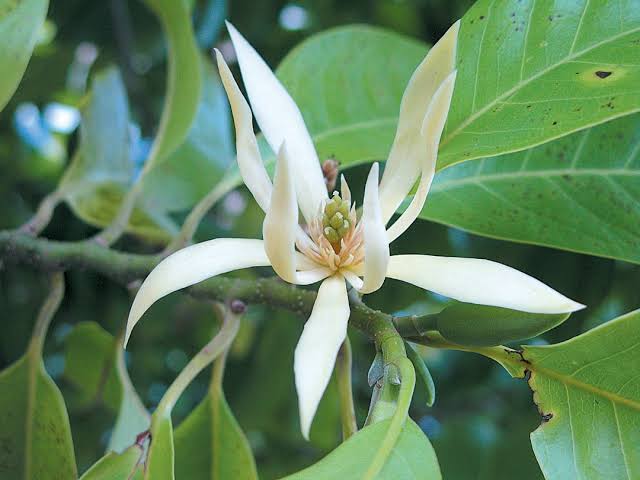
Cempaka is a fragrant tropical flowering tree admired for its beautiful blossoms and soothing aroma. The flower is widely appreciated across Bali for its elegance, spiritual symbolism, and calming natural fragrance.
Cempaka flowers are considered sacred in Balinese Hindu culture and are commonly used in temple offerings, prayer rituals, and traditional ceremonies. The flower symbolizes purity, sincerity, beauty, and spiritual devotion.
The fragrant flowers attract pollinators such as bees and butterflies, helping support the local ecosystem and biodiversity. Its dense foliage also contributes to natural shade and cooling in tropical gardens.
The natural fragrance of cempaka flowers is often associated with relaxation and aromatherapy. Traditionally, the flowers are used to create calming environments and are appreciated for their soothing scent during spiritual and wellness rituals.
Common Tropical Flowering Species
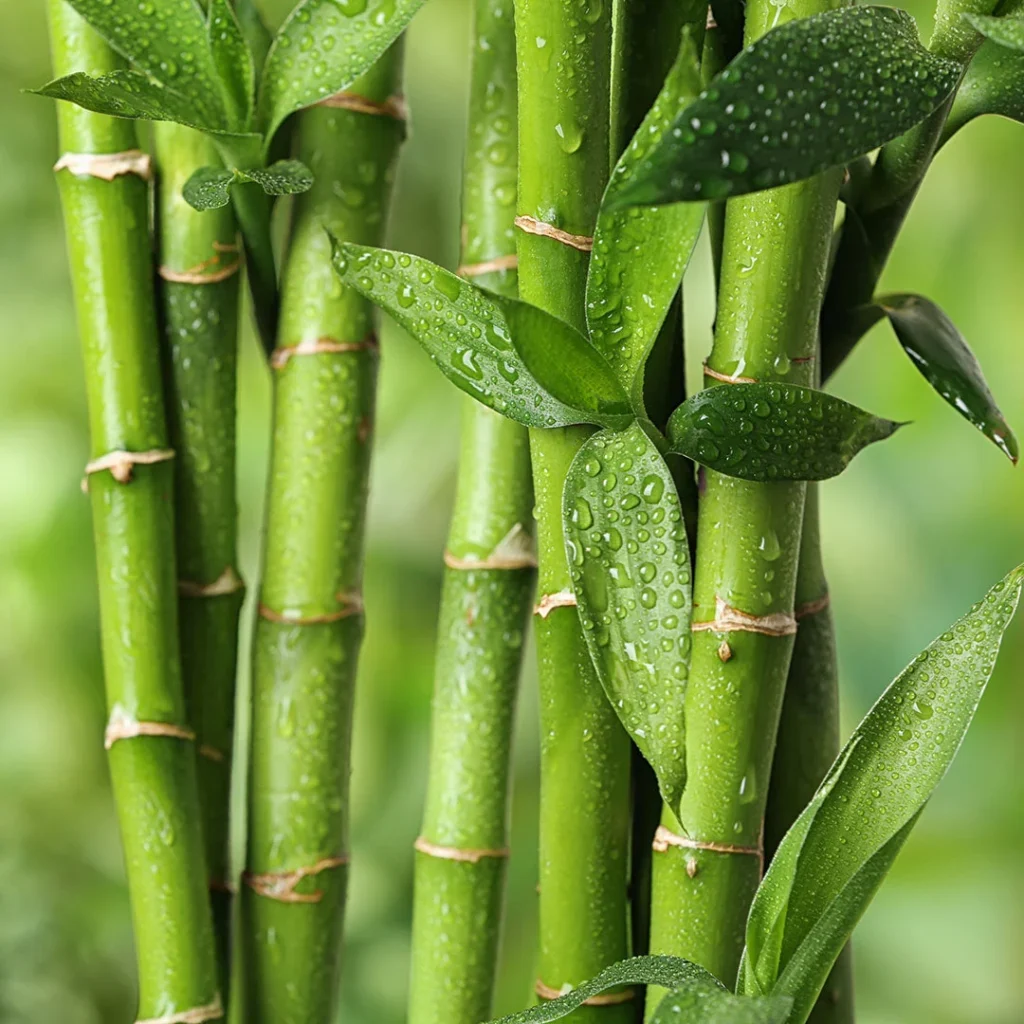
Bamboo is a fast-growing tropical grass species admired for its strength, flexibility, and sustainability. Commonly found throughout Bali, bamboo has long been used in traditional architecture, art, and daily life. Its elegant appearance also enhances the tranquil ambiance of tropical landscapes.
In Bali, bamboo plays an important role in ceremonies, traditional decorations, and community life. It is widely used for making penjor, ceremonial ornaments placed during Balinese Hindu celebrations. Bamboo symbolizes resilience, harmony, and balance with nature.
Bamboo helps prevent soil erosion, improves soil stability, absorbs carbon dioxide efficiently, and supports biodiversity. Its rapid growth also makes bamboo one of the most sustainable natural resources in tropical ecosystems.
Young bamboo shoots are edible and commonly used in traditional cuisine. Bamboo forests are also known to create calming environments that support relaxation, mindfulness, and wellness experiences.
Common Tropical Species / Sustainable Plant Resource
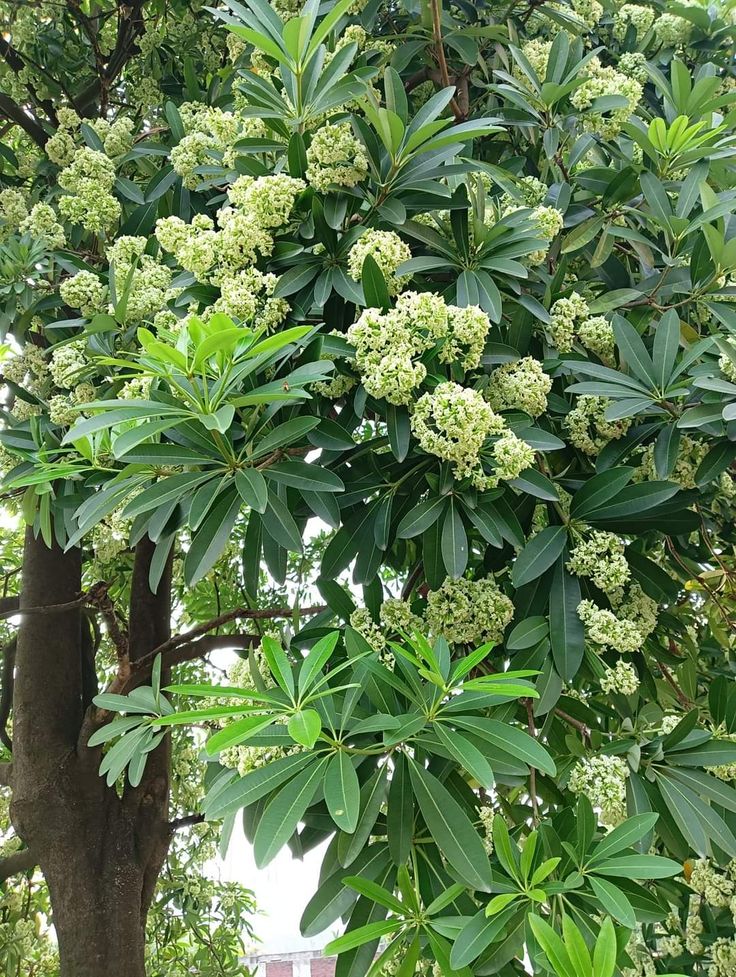
Pule, also known as Pulai, is a tall tropical evergreen tree admired for its elegant form, fragrant flowers, and strong spiritual presence. Commonly found throughout Bali, the tree contributes to the serene atmosphere of tropical landscapes with its dense canopy and calming natural beauty.
In Balinese culture, the Pule tree is considered sacred and is often associated with temples, spiritual rituals, and traditional ceremonies. The tree symbolizes protection, wisdom, purity, and harmony between humans and nature. Pule wood is also traditionally used for creating sacred masks and ceremonial carvings in Balinese art and spiritual performances.
The Pule tree provides extensive shade, improves air quality, and supports biodiversity by creating habitat for birds, insects, and pollinators. Its large canopy helps maintain cooler temperatures and contributes to environmental balance within tropical ecosystems.
Traditionally, various parts of the Pule tree have been associated with herbal and natural wellness practices. The peaceful atmosphere created by mature Pule trees also supports relaxation, meditation, and mindfulness experiences in natural environments.
Common Tropical Sacred Tree Species
We use cookies to enhance your browsing experience and provide personalized content. By clicking "Accept All", you consent to our use of cookies. You can customize your preferences anytime.