

Each plant within the resort has been thoughtfully preserved or cultivated to support the local ecosystem, provide natural shade, and enhance the sense of tranquility. From sacred trees rooted in Balinese tradition to tropical fruit and ornamental plants, our flora invites guests to reconnect with nature, breathe deeply, and experience the quiet beauty of the jungle.
This living landscape is not only a visual experience, but also a gentle reminder of our commitment to sustainability, balance, and mindful living in the heart of Bali.

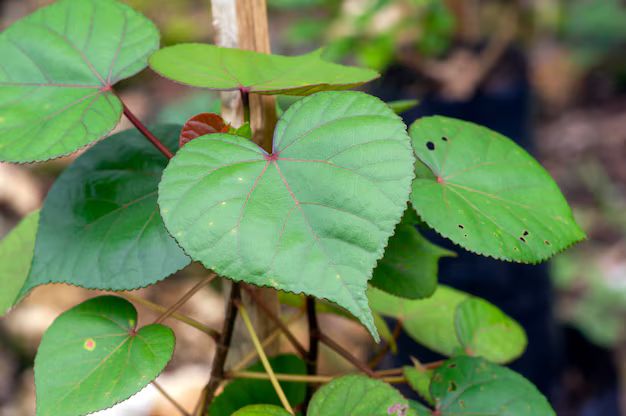
Waru is a tropical flowering tree known for its heart-shaped leaves and soft yellow flowers that gradually change color throughout the day. The tree is commonly found in tropical coastal and riverside environments.
In Balinese culture, tropical trees such as Waru are appreciated for their beauty, environmental importance, and connection to nature. The tree symbolizes harmony, protection, and natural balance.
Waru trees help stabilize soil, provide shade, improve air quality, and support biodiversity by attracting birds and pollinators. Their broad canopy contributes to cooler tropical surroundings.
Various parts of the tree have traditionally been associated with herbal and natural uses in tropical communities. Its calming appearance also supports wellness-oriented landscapes.
Common Tropical Tree Species
Maja is a tropical fruit tree known for its aromatic fruit and strong cultural significance across Southeast Asia. The tree grows well in warm climates and is appreciated for both its ornamental and traditional value.
Fruit-bearing trees are respected in Balinese culture as symbols of abundance, sustainability, and harmony with nature. Traditional fruit trees also reflect Bali’s agricultural heritage.
The tree supports biodiversity by attracting pollinators and providing habitat for birds and insects. Its canopy also contributes to environmental cooling.
The fruit and leaves have long been associated with traditional herbal practices and natural wellness preparations in Asia.
Traditional Tropical Fruit Tree Species
Palem Beregu is an elegant tropical palm known for its clustered stems and graceful green fronds. The plant is commonly used in tropical landscaping to create lush and relaxing resort environments.
Palm species are strongly connected with tropical beauty, hospitality, and harmony with nature in Balinese landscapes. Their elegant appearance helps create peaceful outdoor spaces.
The palm contributes to biodiversity, improves air quality, and enhances tropical humidity while supporting birds and small insects.
Palms help create calming tropical atmospheres associated with relaxation and wellness-oriented environments.
Common Tropical Ornamental Palm Species
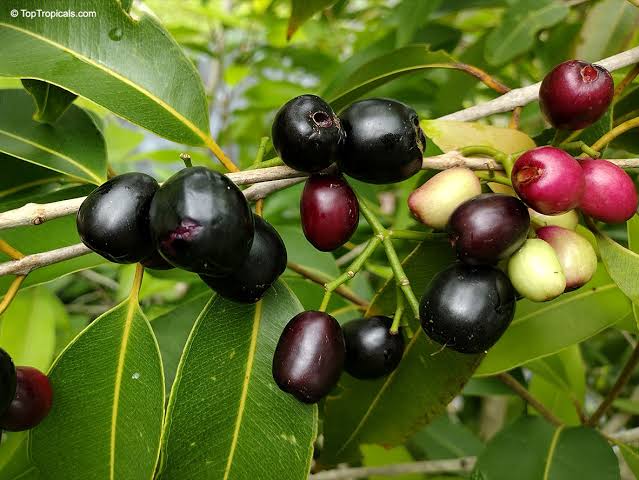
Boni is a tropical fruit-bearing tree admired for its dense canopy, glossy leaves, and dark purple fruit. The tree thrives in humid tropical climates and contributes to the richness of Bali’s natural vegetation.
Fruit trees are traditionally valued in Balinese culture as symbols of abundance, sustainability, and harmony with nature. Trees that provide food are often closely connected to traditional village life.
The tree provides habitat and food for birds and insects while helping maintain biodiversity and environmental balance within tropical ecosystems.
The fruit is traditionally appreciated for its nutritional value and is commonly consumed fresh. Various parts of the tree have also been associated with herbal and wellness practices in traditional communities.
Common Tropical Fruit Tree Species
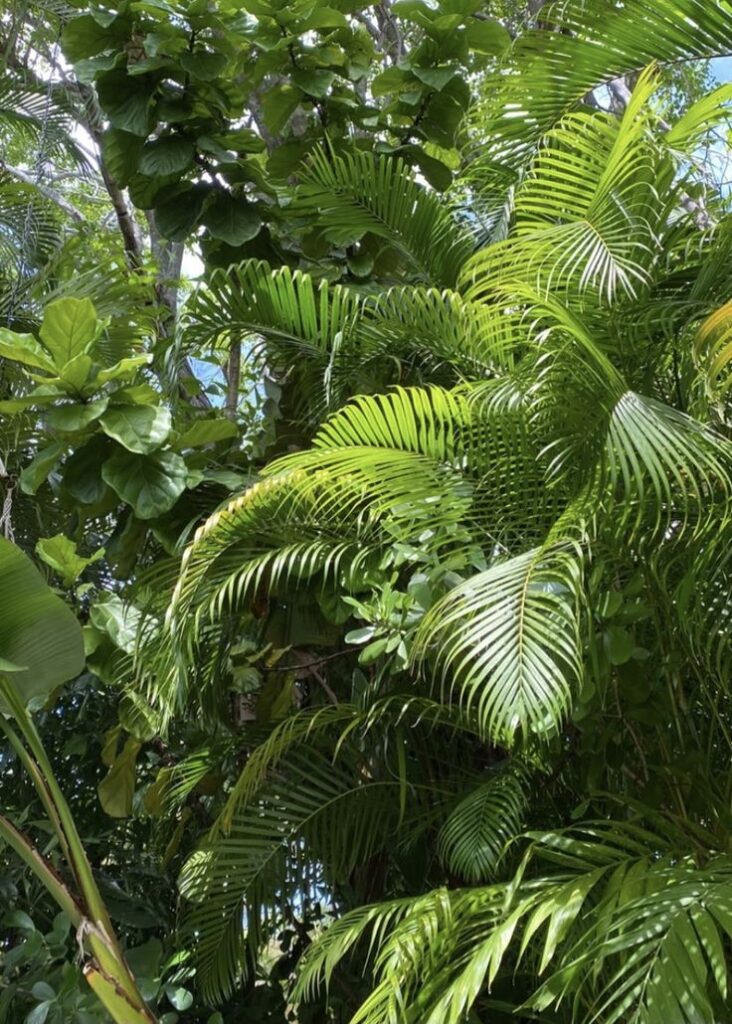
Lemputu is a tropical tree species commonly found in lush Balinese environments and traditional landscapes. The tree contributes to the rich biodiversity and natural beauty of tropical ecosystems around Ubud.
Native tropical trees are traditionally respected in Balinese culture as important elements of environmental harmony and spiritual balance. Trees play an essential role in preserving the natural connection between humans and nature.
The tree supports biodiversity by providing shade, oxygen production, and habitat for birds, insects, and other tropical wildlife. It also contributes to maintaining a cooler and healthier environment.
Large tropical trees help create peaceful natural surroundings that support relaxation, mindfulness, and wellness-oriented experiences in tropical resort settings.
Common Tropical Tree Species / Further Botanical Identification Recommended
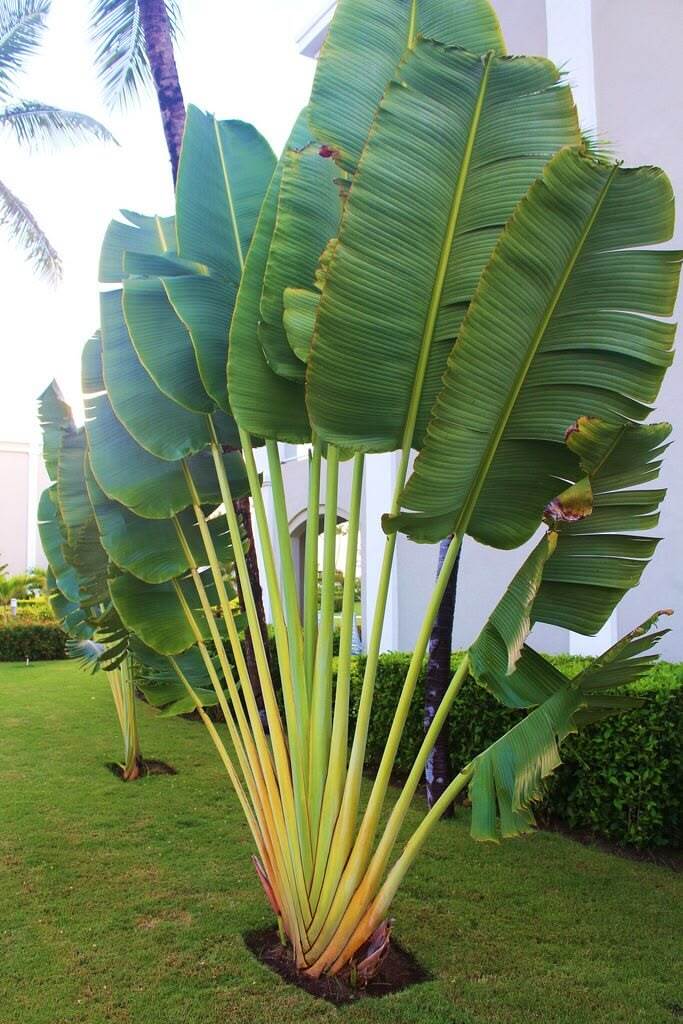
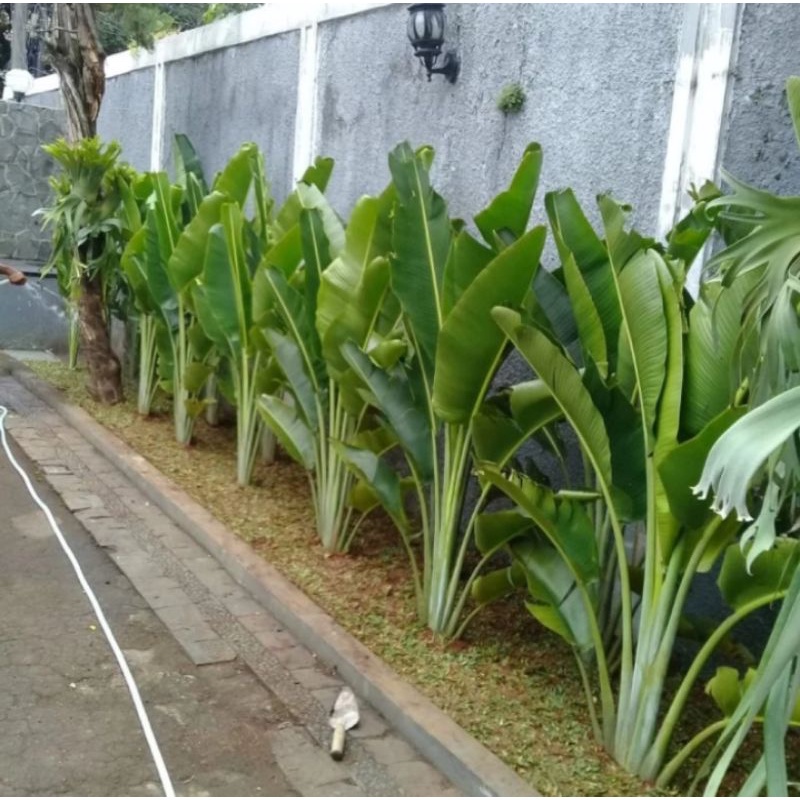
Tunjang Langit, commonly known as the Traveler’s Palm, is a striking tropical plant admired for its dramatic fan-shaped leaves and architectural appearance. Its unique structure creates a strong visual statement in tropical gardens and resort landscapes.
Large tropical plants with elegant forms are often appreciated in Balinese landscaping for representing harmony, beauty, and the grandeur of nature. Their presence enhances the peaceful atmosphere of tropical environments.
The plant contributes to biodiversity, provides shade, and supports tropical ecosystems by helping maintain humidity and greenery within landscaped areas.
The lush tropical appearance of the Traveler’s Palm helps create calming natural surroundings that support relaxation and wellness-focused experiences.
Common Ornamental Tropical Plant Species
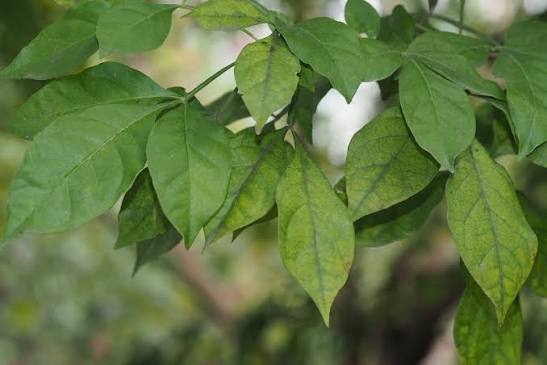
Kendal is a tropical shade tree known for its tall structure, broad canopy, and ability to thrive in warm climates. The tree contributes to the natural beauty and cooling atmosphere of tropical landscapes.
Large tropical trees are traditionally valued in Balinese culture for providing protection, harmony, and a connection to the natural environment. Trees with strong canopies often symbolize stability and balance.
Kendal trees provide shade, help reduce surrounding temperatures, improve air quality, and support habitats for birds and insects within tropical ecosystems.
The cooling shade and greenery created by large tropical trees help support relaxation and create peaceful wellness-oriented outdoor spaces.
Common Tropical Shade Tree Species
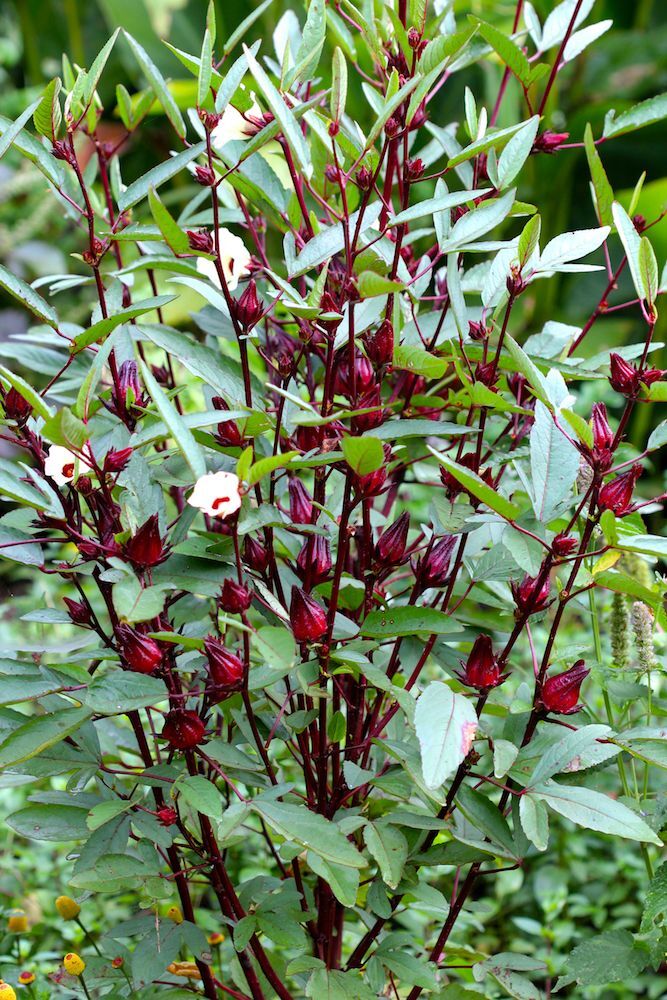
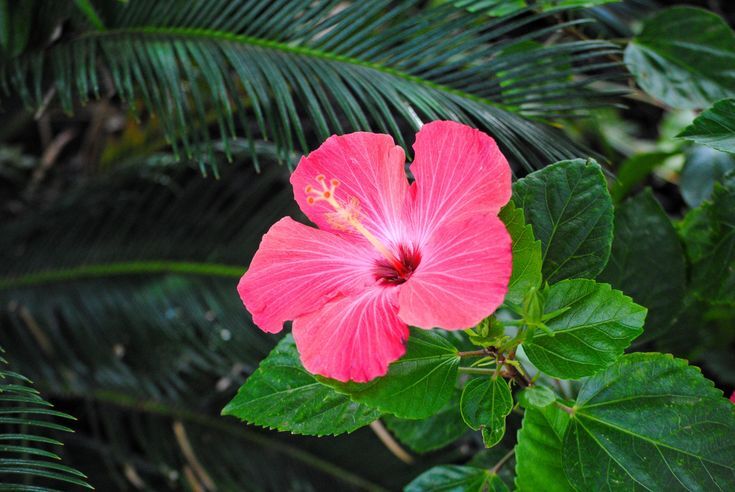
Sepatudea, or hibiscus, is a vibrant tropical flowering plant admired for its large colorful blooms and ornamental beauty. The plant is widely used in tropical landscaping and enhances the visual appeal of gardens and resort environments.
Hibiscus flowers are often associated with beauty, hospitality, and tropical elegance. In Bali, colorful flowers are commonly used to decorate homes, temples, and ceremonial offerings, representing harmony and gratitude toward nature.
The bright flowers attract butterflies, bees, and pollinating insects that support biodiversity and ecological balance within tropical ecosystems.
Certain hibiscus varieties are traditionally used in herbal drinks, natural hair care, and wellness practices. The flowers are also appreciated for their soothing visual beauty and calming garden presence.
Common Tropical Flowering Plant
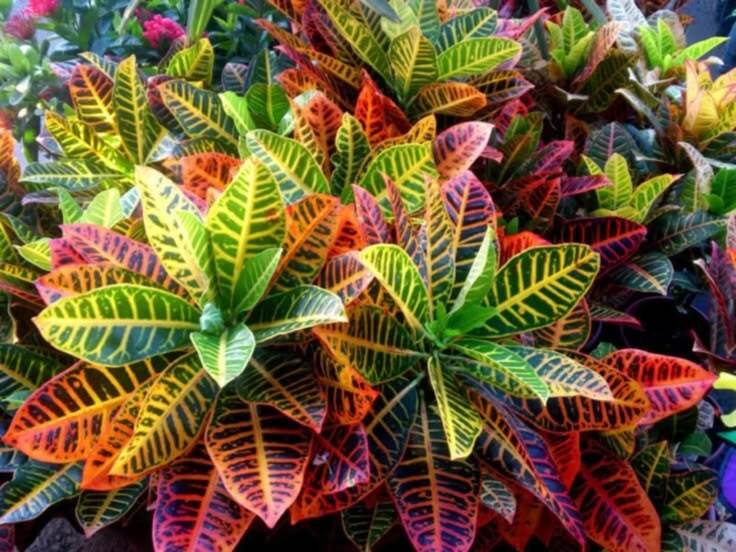
Canging is an ornamental tropical plant admired for its colorful leaves and decorative appearance. Its vibrant foliage adds beauty and visual contrast to tropical gardens and landscaped resort environments.
Decorative tropical plants are commonly used in Balinese compounds and garden landscapes to create harmony, beauty, and connection with nature. Colorful foliage plants are often appreciated for enhancing peaceful tropical surroundings.
Ornamental plants contribute to biodiversity, support small insects and pollinators, and improve the aesthetic quality of tropical green spaces. They also help maintain environmental freshness and humidity.
The presence of ornamental tropical plants helps create visually calming environments that support relaxation and wellness experiences. Green landscapes are often associated with stress reduction and mindfulness.
Common Ornamental Tropical Plant
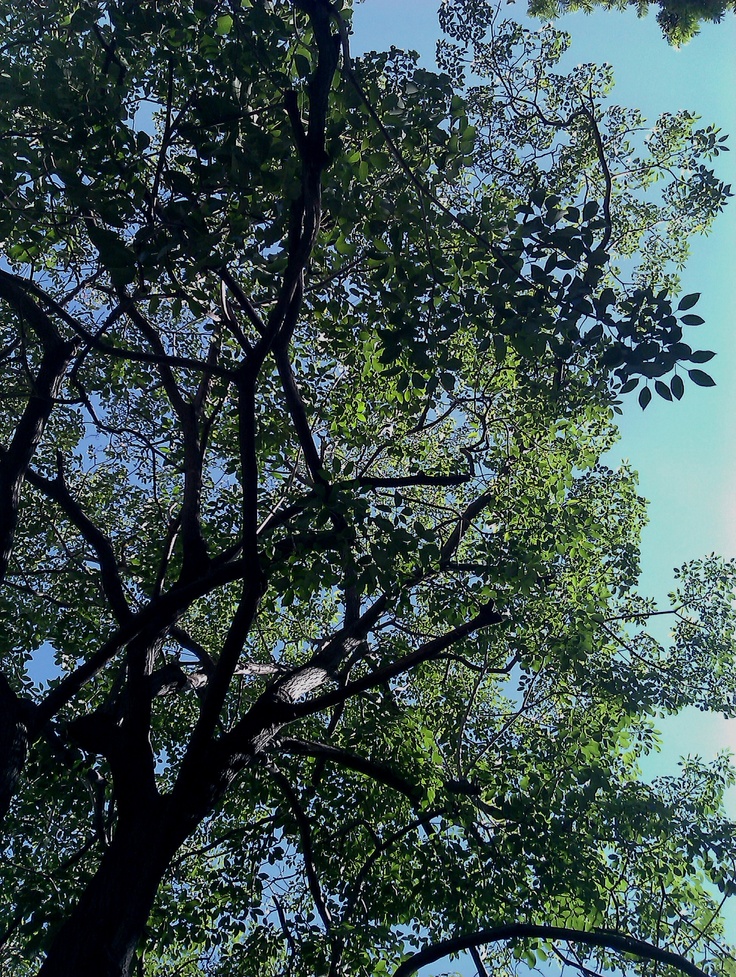
Sana is a large tropical shade tree known for its wide canopy and calming natural presence. Commonly found in tropical landscapes, the tree provides a cooling atmosphere and contributes to the lush greenery often associated with Bali’s natural environment.
Large tropical trees such as Sana are often associated with protection, balance, and harmony with nature in Balinese culture. Trees with expansive canopies are traditionally valued for creating peaceful communal spaces and natural gathering areas.
The tree provides significant shade, improves air quality, supports biodiversity, and creates habitat for birds and insects. Its broad canopy also helps reduce surrounding temperatures and maintain environmental humidity.
The calming natural shade created by the tree contributes to relaxation and wellness experiences within tropical landscapes. Large tropical trees also help create more comfortable outdoor environments for mindfulness and rest.
Common Tropical Shade Tree Species
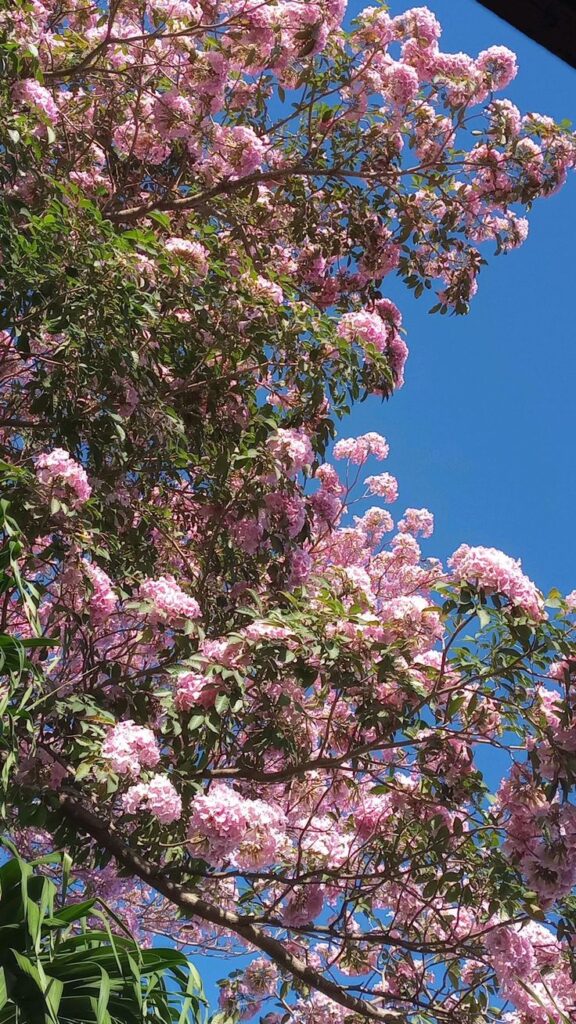
Tabebuya is a beautiful flowering tree admired for its vibrant blossoms that bloom seasonally in shades of pink, yellow, white, or purple. The tree creates a spectacular visual display and enhances the beauty of tropical landscapes.
Flowering trees are appreciated in Balinese landscapes for symbolizing beauty, renewal, and harmony with nature. Seasonal blooming trees help create uplifting and inspiring outdoor environments.
Tabebuya flowers attract bees, butterflies, and pollinators that support biodiversity and ecological balance within tropical ecosystems.
The colorful blossoms and natural beauty of Tabebuya trees help create calming outdoor spaces that support relaxation, mindfulness, and wellness-oriented experiences.
Common Tropical Ornamental Flowering Tree Species
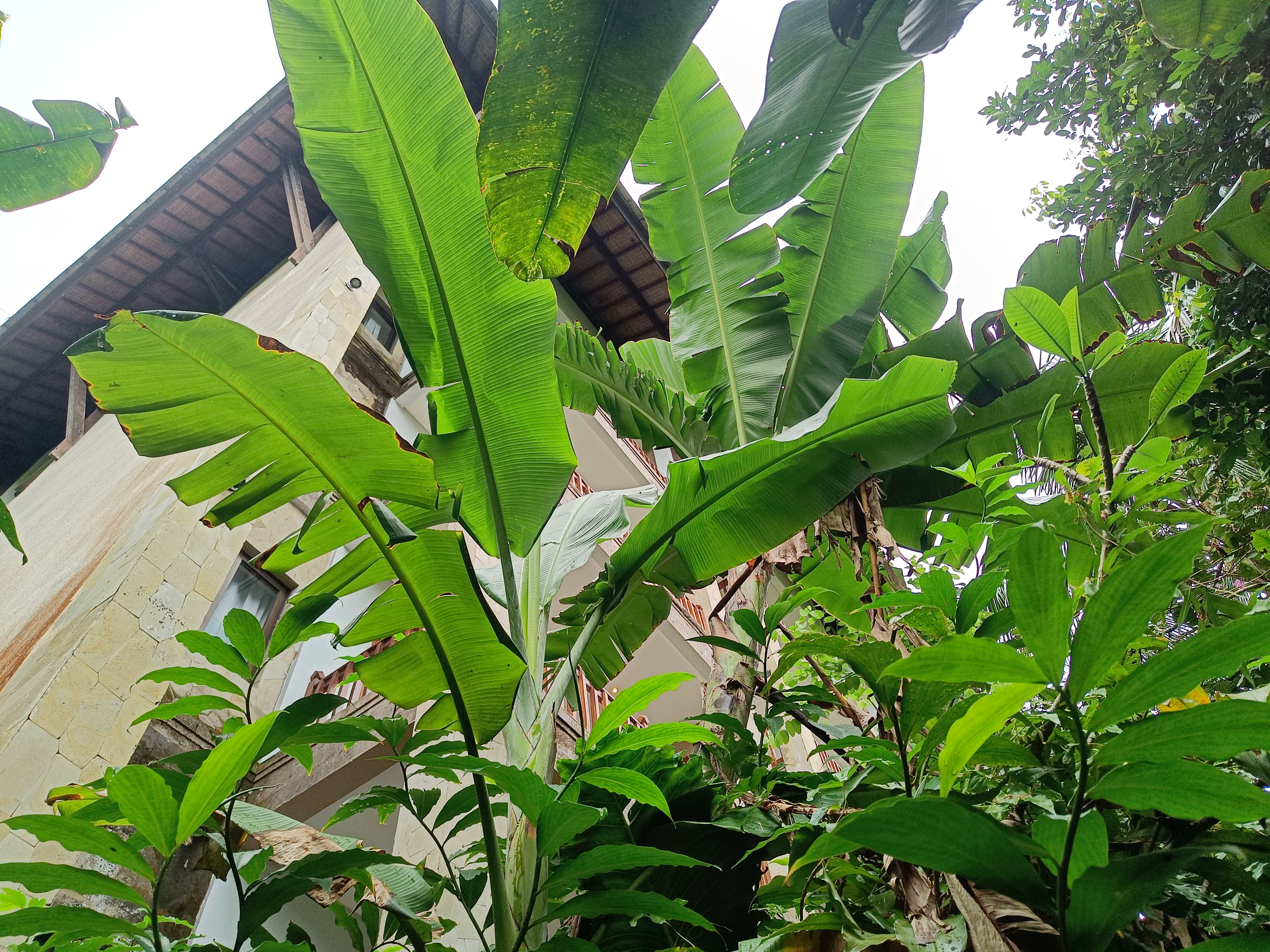
Pisang is a tropical fruit-bearing plant widely cultivated throughout Bali and Indonesia. Known for its broad green leaves and nutritious fruit, the banana plant plays an important role in tropical agriculture, culinary traditions, and cultural practices.
Banana leaves and fruits are commonly used in Balinese offerings, ceremonies, and traditional food presentation. The plant symbolizes abundance, prosperity, and the strong relationship between nature and daily life.
Banana plants help maintain soil moisture, support biodiversity, and contribute to the lush greenery of tropical ecosystems. Their large leaves also help create cooler surrounding environments.
Bananas are rich in nutrients and are widely consumed as part of healthy tropical diets. Banana leaves are also traditionally used as natural food wrappers and serving materials.
Common Tropical Fruit Plant Species
Palem Kipas is a tropical ornamental palm admired for its large fan-shaped leaves and elegant appearance. The plant is commonly used in tropical landscaping to create lush, shaded, and visually striking garden environments.
Palm species are closely associated with tropical beauty, harmony, and hospitality in Balinese landscapes. The symmetrical fan-like leaves symbolize balance and natural elegance within tropical garden settings.
Fan palms contribute to biodiversity, improve air quality, and help maintain tropical humidity. Their broad leaves also provide shelter for small insects and contribute to cooler outdoor environments.
The calming visual appearance of Palem Kipas helps create peaceful and relaxing tropical spaces often associated with wellness and mindfulness experiences.
Common Tropical Ornamental Palm Species
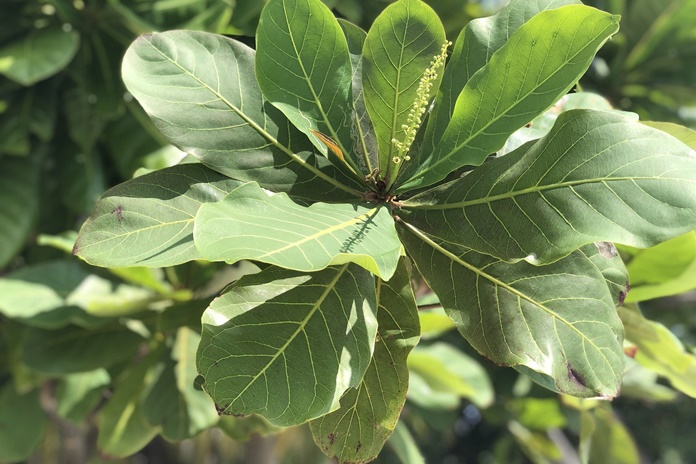
Ketapang is a large tropical shade tree recognized for its broad layered branches and seasonal color-changing leaves. The tree is widely planted in tropical landscapes for shade and environmental cooling.
Shade trees such as Ketapang are valued in Balinese culture for creating peaceful communal spaces and maintaining harmony with the natural environment.
Ketapang trees provide extensive shade, help reduce heat, improve air quality, and support habitats for birds and insects. Their fallen leaves also contribute nutrients back into the soil ecosystem.
The calming shade and natural beauty of Ketapang trees help create relaxing outdoor spaces that support wellness and mindfulness experiences.
Common Tropical Shade Tree Species
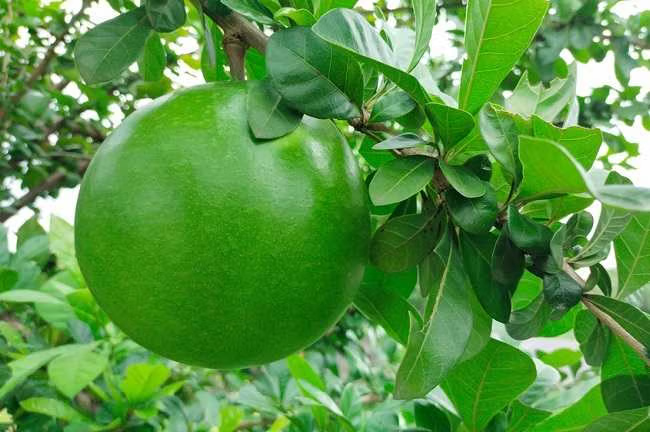
Bintaro is a tropical coastal tree known for its glossy leaves and distinctive green fruits. The tree is widely planted as an ornamental species in tropical landscapes due to its elegant appearance and strong adaptability.
Large tropical trees are appreciated in Balinese landscapes for their beauty, shade, and connection to nature. Bintaro contributes to the lush tropical identity commonly associated with Bali.
The tree provides shade, improves air quality, and supports tropical biodiversity by creating habitat for birds and insects.
Although the tree is mainly ornamental, tropical greenery such as Bintaro contributes to relaxing natural environments that support wellness and mindfulness experiences.
Common Tropical Ornamental Tree Species
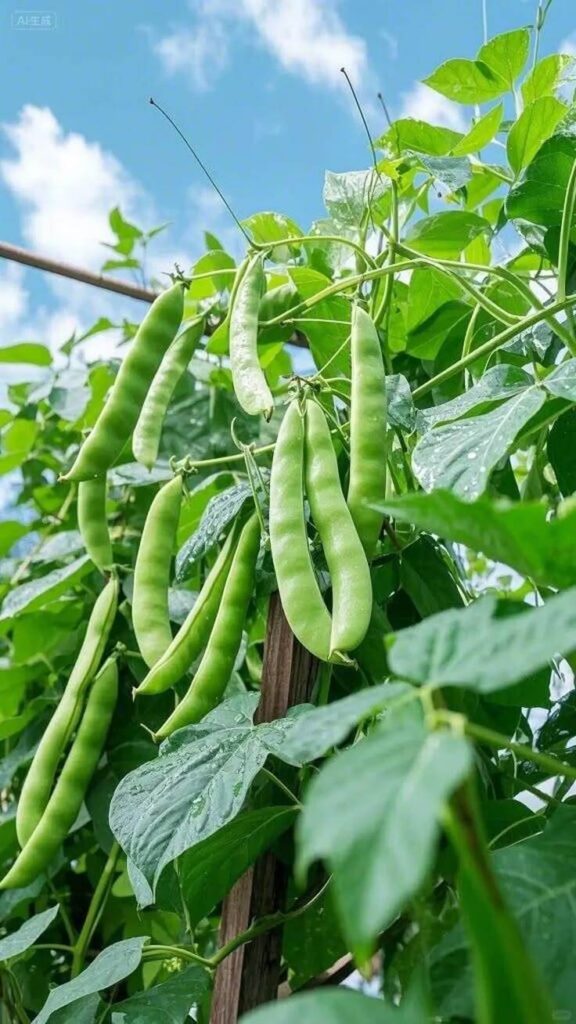
Kacang-kacangan refers to various legume plants commonly grown in tropical regions for food, ground cover, and ecological purposes. These plants are important components of sustainable tropical agriculture.
Legume crops are traditionally connected to local farming culture and sustainable food systems in Bali and Indonesia. They symbolize nourishment, productivity, and the relationship between humans and the land.
Legume plants help improve soil fertility through natural nitrogen fixation while supporting biodiversity and sustainable ecosystems.
Legumes are rich in protein, fiber, and nutrients and are widely consumed as part of healthy traditional diets.
Common Agricultural Plant Species
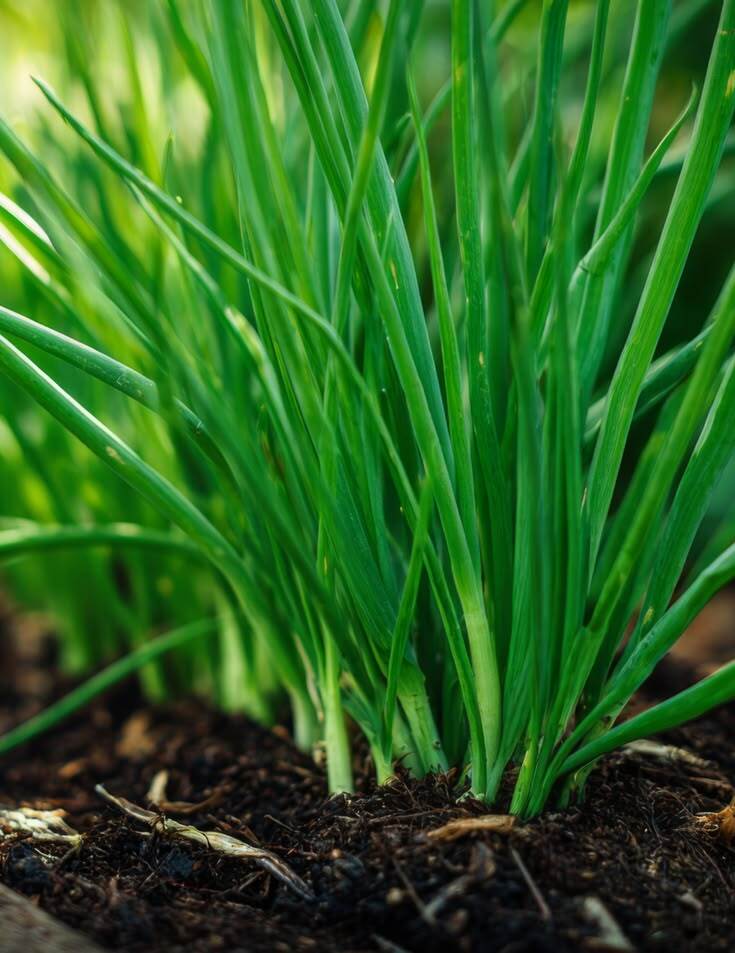
Kucai is a leafy herb plant widely used in Asian cuisine for its mild garlic-like flavor and fresh aroma. The plant grows well in tropical and subtropical environments and is appreciated for both culinary and herbal purposes.
Herbal plants are traditionally valued in Balinese and Indonesian culture for supporting healthy living, natural wellness, and sustainable culinary traditions.
Herb plants contribute to biodiversity, support pollinating insects, and enrich tropical garden ecosystems.
Kucai is commonly used in cooking and is traditionally associated with digestive wellness and natural nutritional benefits.
Common Culinary Herb Species
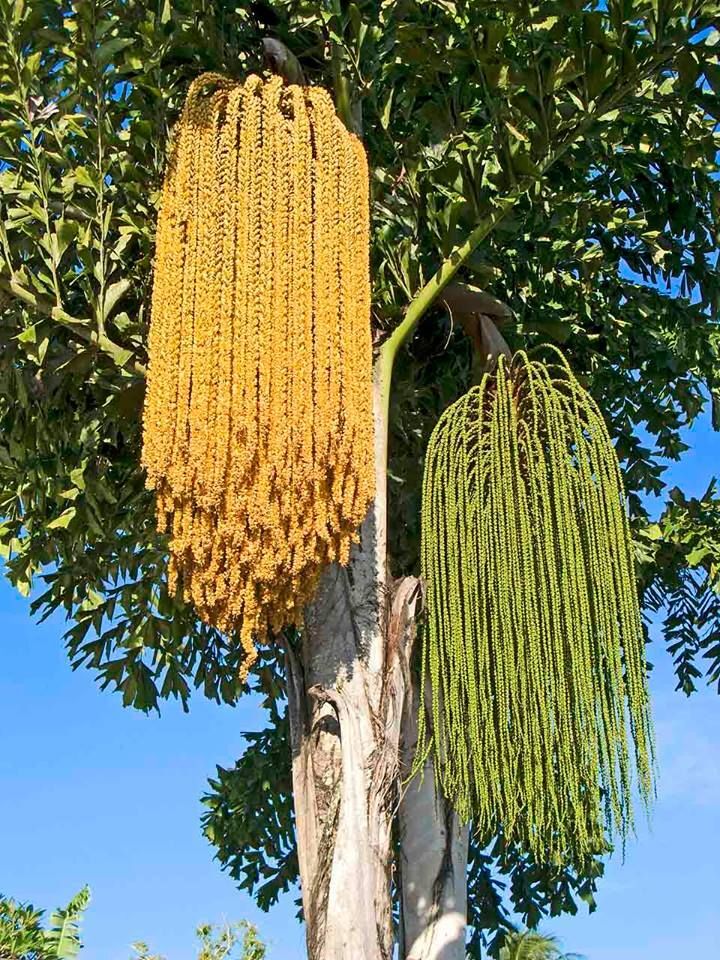
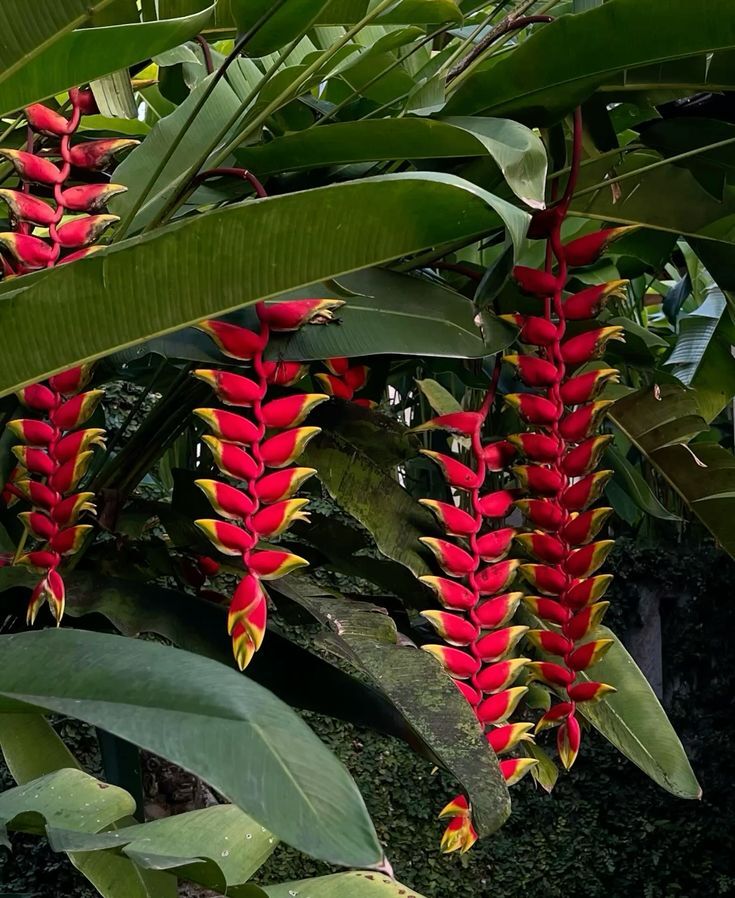
Heliconia is a striking tropical ornamental plant recognized for its colorful hanging flowers and lush foliage. Its dramatic appearance adds vibrant beauty to tropical gardens and resort landscapes.
Colorful tropical plants are appreciated in Balinese landscaping for creating harmony, beauty, and a welcoming natural environment. Ornamental flowers symbolize tropical vitality and elegance.
Heliconia flowers attract pollinators such as birds, butterflies, and insects, helping support biodiversity within tropical ecosystems.
The plant’s vibrant appearance contributes to uplifting and calming tropical environments that support relaxation and wellness experiences.
Common Tropical Ornamental Plant Species
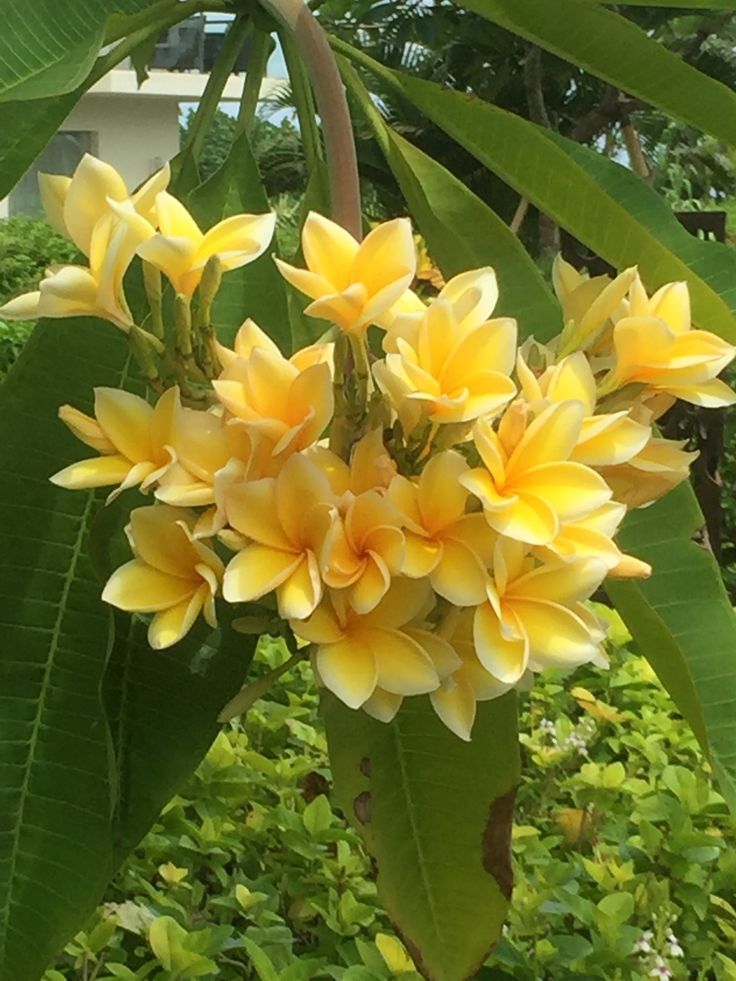
Kamboja is one of Bali’s most iconic tropical flowering trees, admired for its fragrant blossoms and elegant appearance. The flowers bloom in various colors and are strongly associated with the beauty and spirituality of Balinese culture.
Frangipani flowers are widely used in Balinese offerings, temple ceremonies, and traditional decorations. The flower symbolizes purity, spirituality, beauty, and devotion.
The fragrant flowers attract butterflies, bees, and pollinators, helping support biodiversity within tropical ecosystems. The tree also contributes to shade and natural landscaping beauty.
The soothing fragrance of Kamboja flowers is often associated with relaxation and wellness. The flowers are commonly used in spa decorations, aromatherapy settings, and traditional floral arrangements.
Common Tropical Sacred Flowering Tree
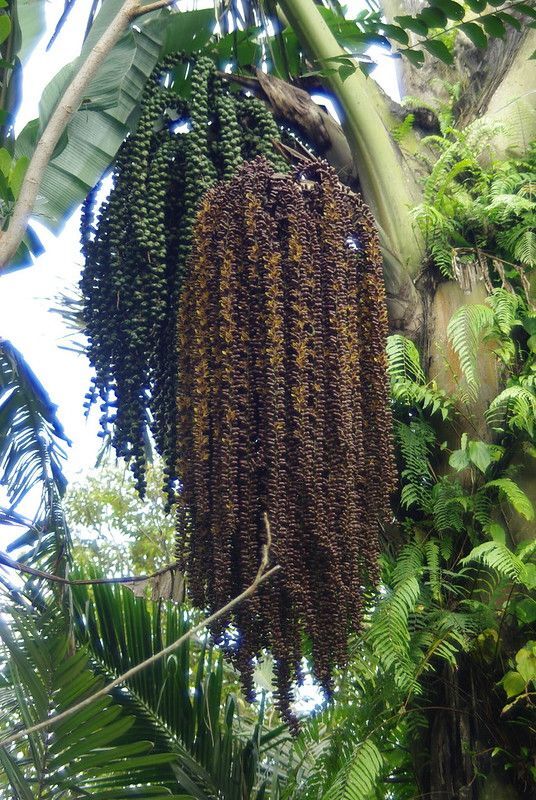
The Sugar Palm is a tropical palm species valued for its sweet sap, strong fibers, and traditional uses. The tree is commonly found in tropical forests and rural landscapes across Indonesia.
Palm trees such as Aren are traditionally connected to rural life, sustainability, and natural resourcefulness in Indonesian culture. The tree represents abundance and the practical relationship between humans and nature.
Aren trees help support biodiversity, improve soil stability, and contribute to the tropical ecosystem through their dense foliage and habitat value.
The sap of the Aren tree is traditionally processed into palm sugar and local beverages. Various parts of the tree are also used in handicrafts, roofing, and traditional culinary practices.
Traditional Tropical Palm Species

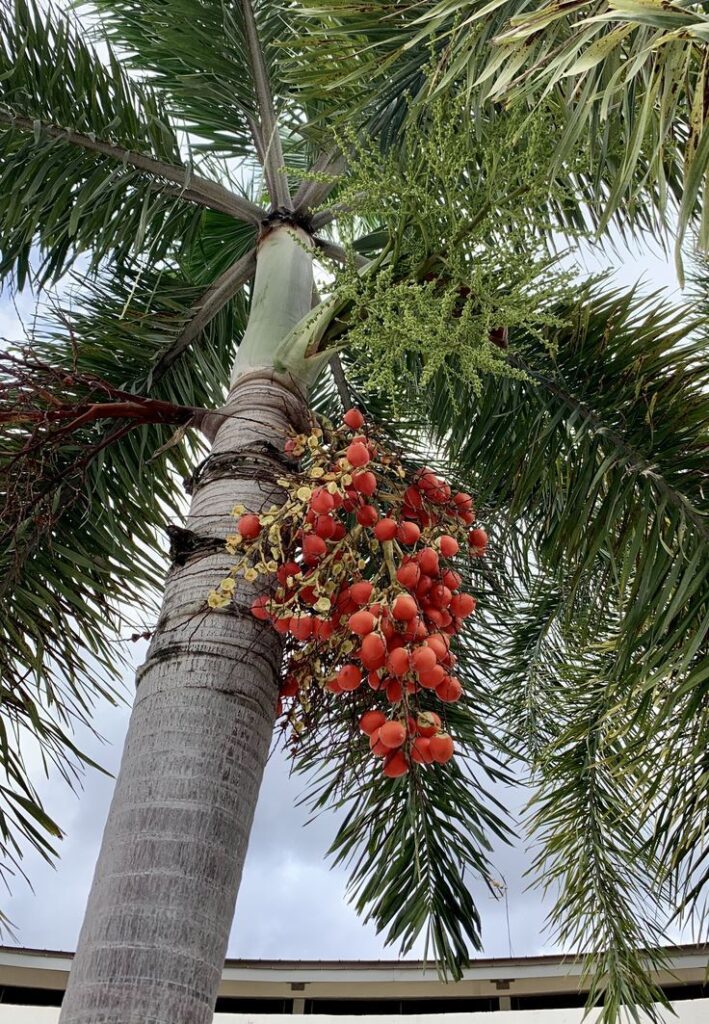
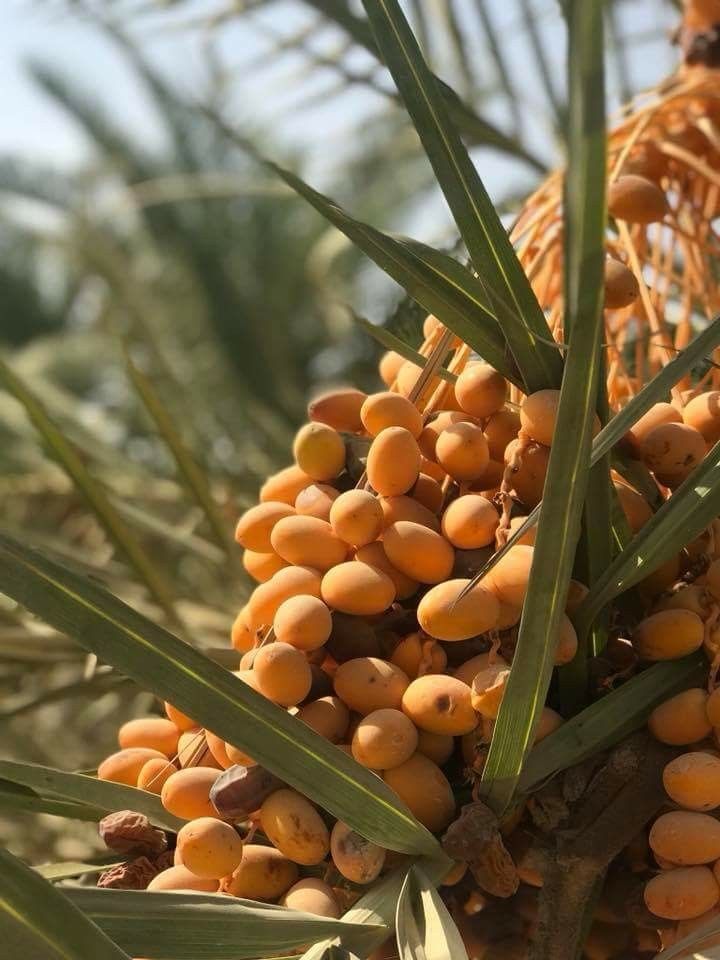
Pinang is a slender tropical palm tree widely recognized for its smooth trunk and bright orange fruit known as betel nut. The tree is commonly found in tropical landscapes and traditional village environments throughout Indonesia.
Pinang has long been associated with hospitality, traditional customs, and ceremonial practices in many Indonesian cultures. Palm species also symbolize prosperity, tropical abundance, and harmony with nature in Balinese landscapes.
Pinang trees help support biodiversity, improve air quality, and contribute to tropical greenery. Their vertical growth pattern makes them ideal for maintaining open yet shaded landscapes.
Traditionally, betel nut has been used in cultural practices and herbal preparations in various parts of Asia. The tree also contributes to the calming ambiance of tropical garden settings.
Common Tropical Palm Species
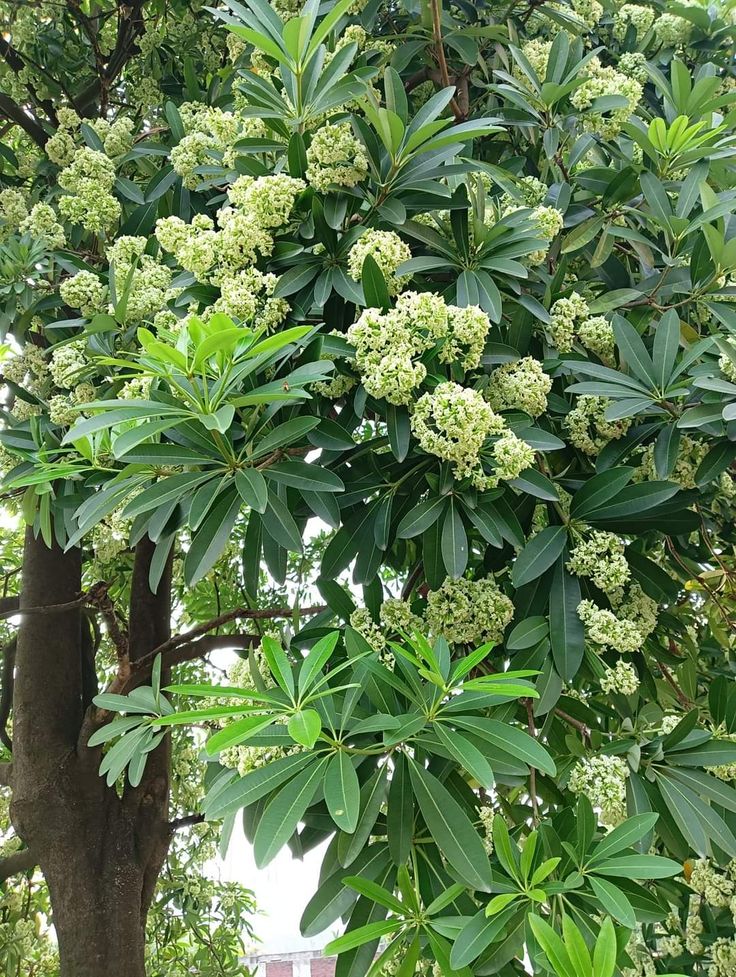
Pule, also known as Pulai, is a tall tropical evergreen tree admired for its elegant form, fragrant flowers, and strong spiritual presence. Commonly found throughout Bali, the tree contributes to the serene atmosphere of tropical landscapes with its dense canopy and calming natural beauty.
In Balinese culture, the Pule tree is considered sacred and is often associated with temples, spiritual rituals, and traditional ceremonies. The tree symbolizes protection, wisdom, purity, and harmony between humans and nature. Pule wood is also traditionally used for creating sacred masks and ceremonial carvings in Balinese art and spiritual performances.
The Pule tree provides extensive shade, improves air quality, and supports biodiversity by creating habitat for birds, insects, and pollinators. Its large canopy helps maintain cooler temperatures and contributes to environmental balance within tropical ecosystems.
Traditionally, various parts of the Pule tree have been associated with herbal and natural wellness practices. The peaceful atmosphere created by mature Pule trees also supports relaxation, meditation, and mindfulness experiences in natural environments.
Common Tropical Sacred Tree Species
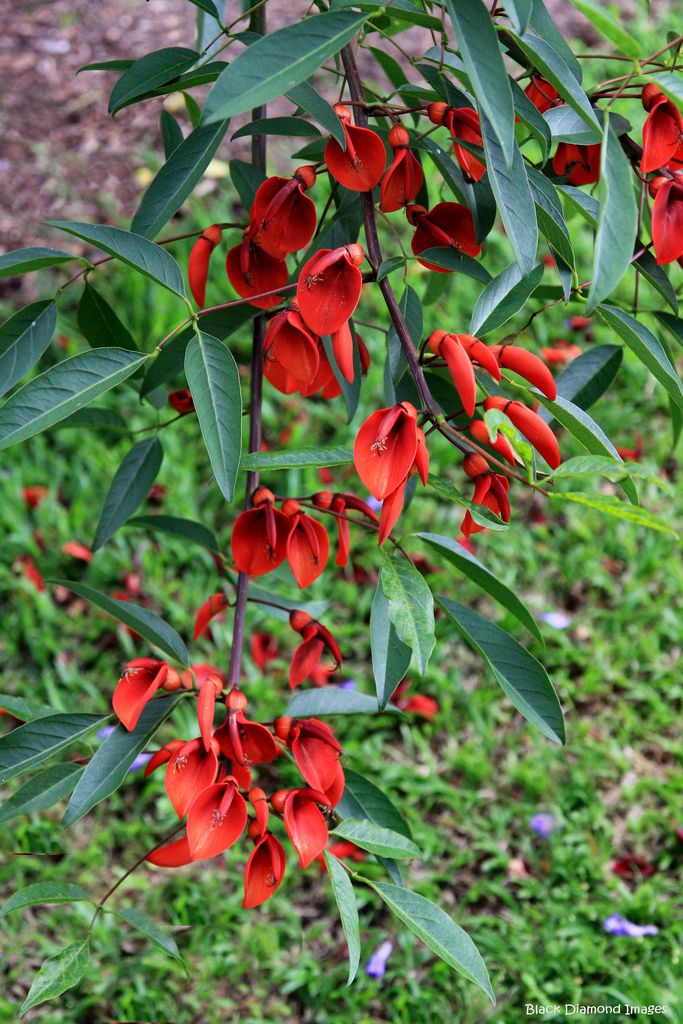
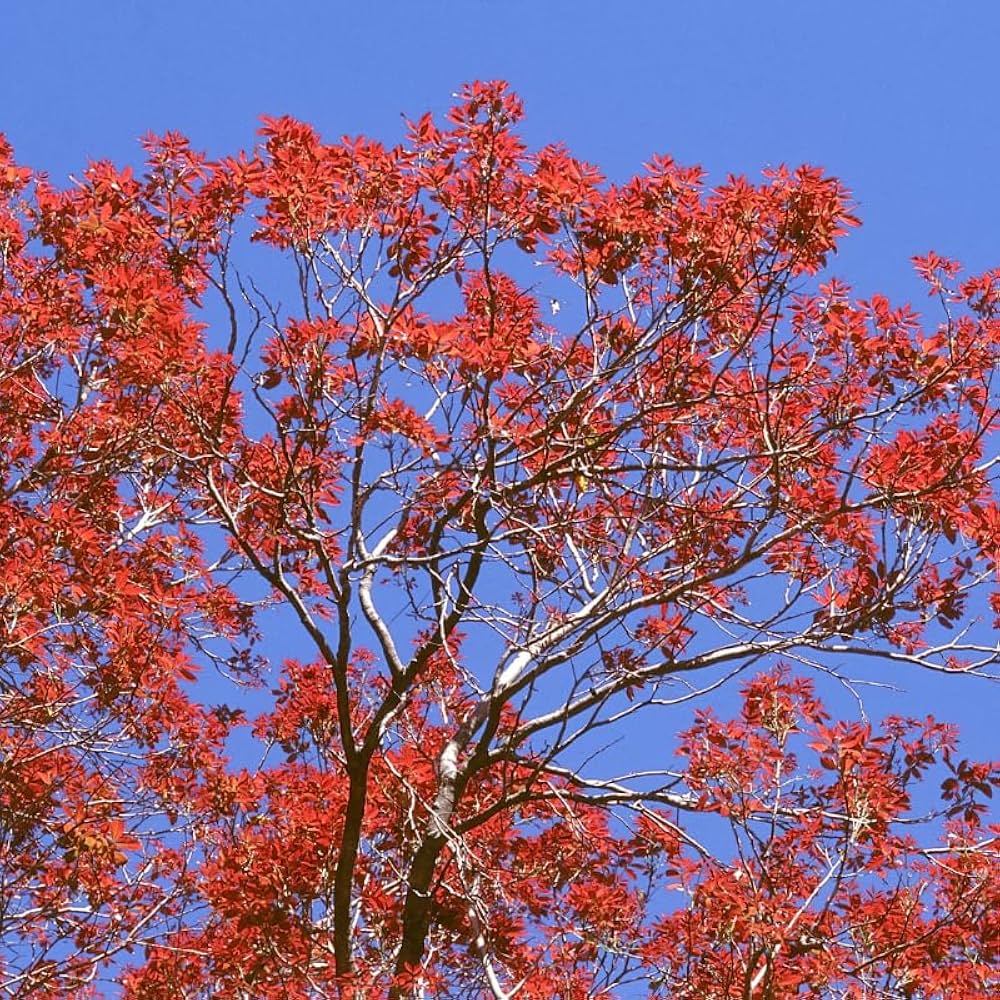
Dadap is a tropical flowering tree recognized for its striking red blossoms and distinctive branching structure. The tree is commonly planted in tropical regions for shade, landscaping, and environmental purposes.
Trees with vibrant flowers are often appreciated in Balinese culture for symbolizing energy, vitality, and the beauty of nature. Dadap trees also contribute to the tropical identity of Balinese landscapes.
Dadap trees support biodiversity by attracting birds, bees, and butterflies with their bright flowers. The tree also helps improve soil fertility through natural nitrogen fixation.
In traditional communities, parts of the Dadap tree have been associated with natural herbal uses and environmental cooling benefits through its broad canopy.
Common Tropical Flowering Tree Species

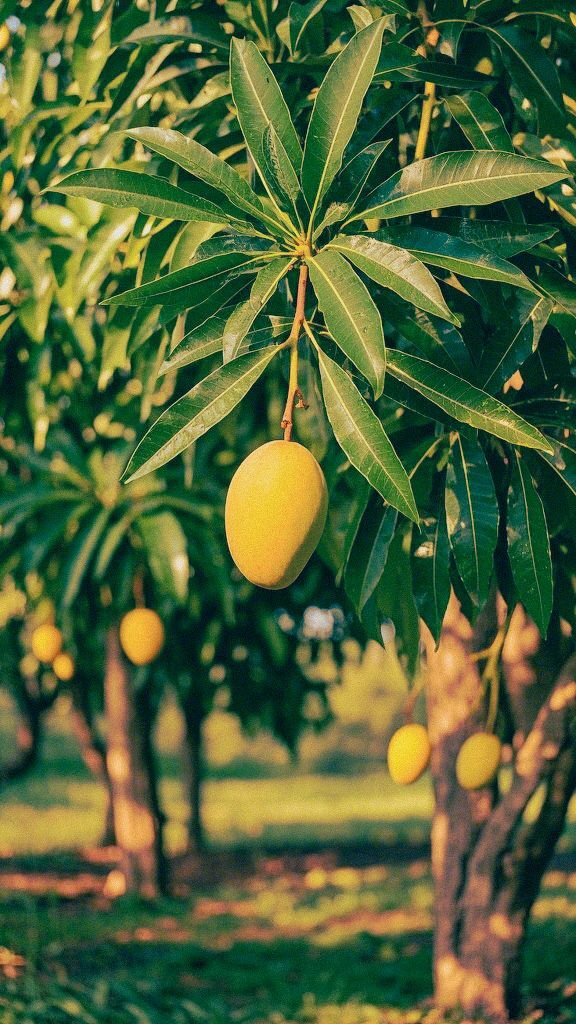
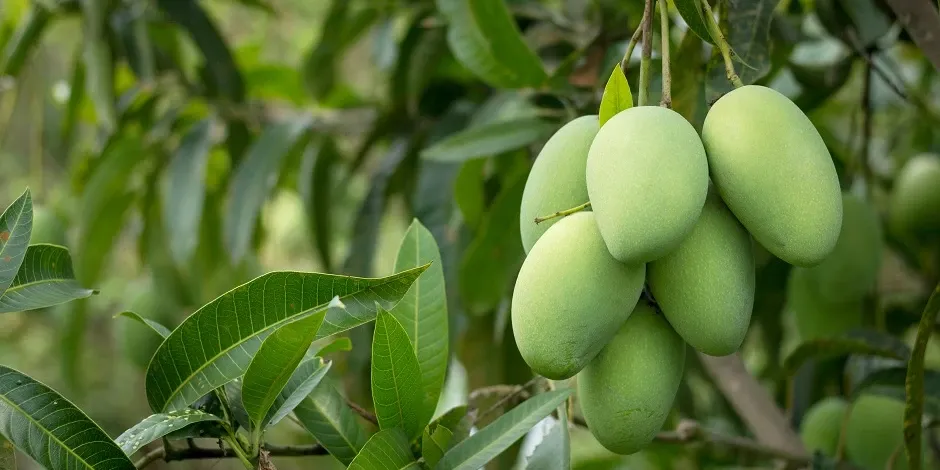
Mangga is a popular tropical fruit tree admired for its sweet fruit, dense canopy, and refreshing shade. Mango trees thrive in warm climates and are commonly found in tropical gardens, villages, and agricultural landscapes throughout Bali and Indonesia.
Fruit-bearing trees are traditionally valued in Balinese culture as symbols of abundance, prosperity, and the harmonious relationship between humans and nature. Mango trees are often planted in family compounds and tropical gardens.
Mango trees support biodiversity by providing food and habitat for birds, insects, and pollinators. Their broad canopy also helps cool the environment and improve air quality.
Mango fruits are rich in vitamins and antioxidants and are widely enjoyed fresh or in tropical dishes and beverages. Traditionally, various parts of the tree have also been associated with natural wellness practices.
Common Tropical Fruit Tree Species

Wani is a rare tropical fruit tree native to Bali and several parts of Indonesia. Closely related to the mango, the fruit is known for its pale flesh, fragrant aroma, and unique sweet taste. Wani is considered one of Bali’s distinctive local tropical fruits.
Wani fruit is closely connected to Balinese agricultural heritage and traditional village life. Local fruit trees are valued as symbols of abundance, sustainability, and the island’s deep relationship with nature.
The tree supports tropical biodiversity by providing food sources for birds and insects while contributing to the greenery and ecological balance of tropical landscapes.
Wani fruit contains natural nutrients and is traditionally enjoyed fresh as part of Bali’s tropical culinary culture. Fruit-bearing trees also contribute to healthier and more sustainable environments.
Traditional Local Tropical Fruit Species / Limited Cultivation Areas
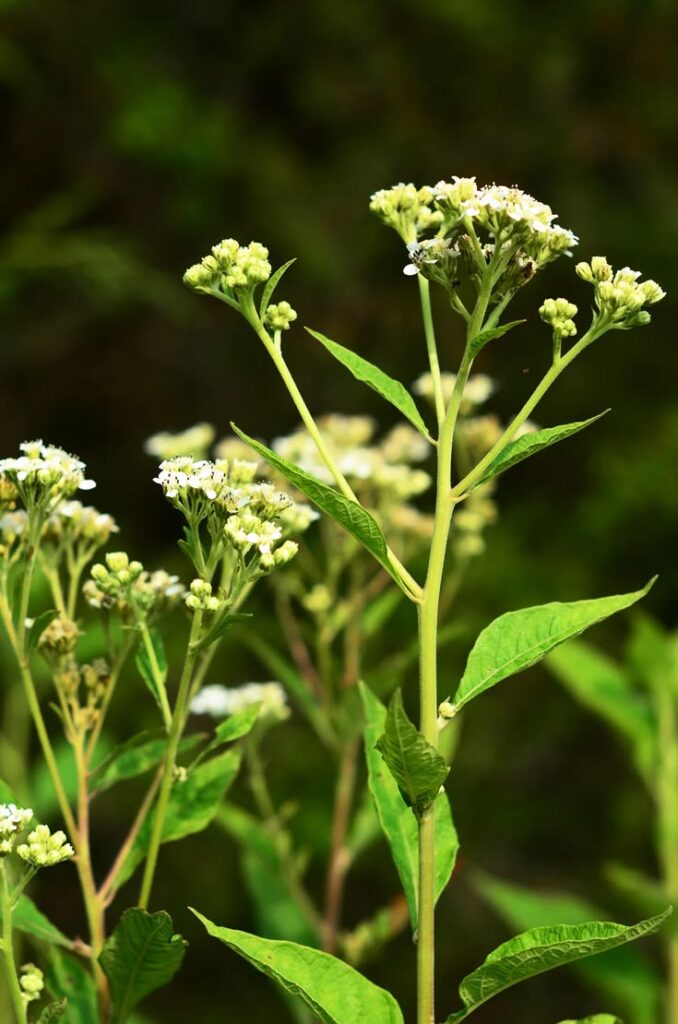
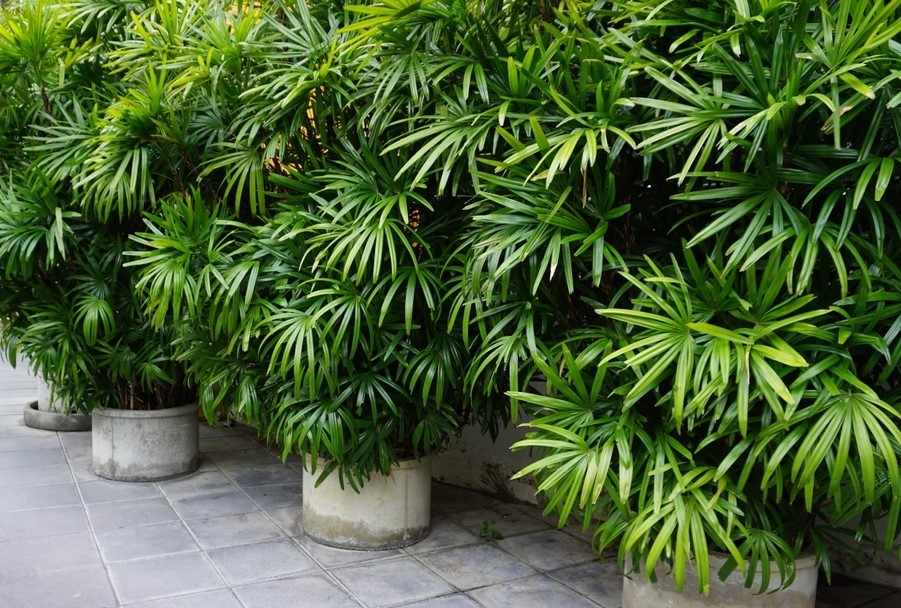
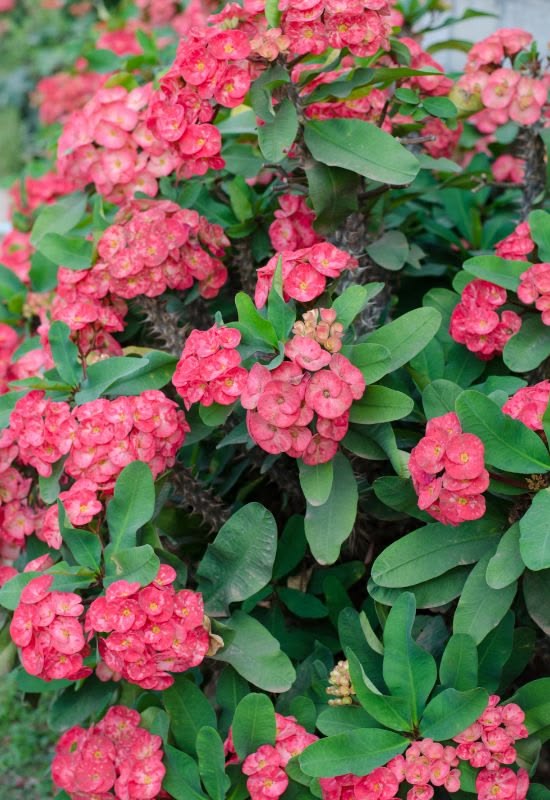
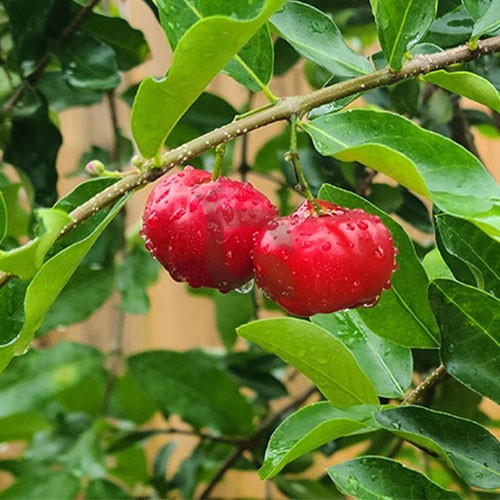
Mahkota Dewa is a medicinal tropical plant native to Indonesia, recognized for its bright red fruit and traditional herbal value. The plant is widely appreciated for both its ornamental appearance and its long history in natural wellness practices.
Medicinal plants are highly respected in Balinese traditional knowledge and wellness culture. Mahkota Dewa represents the close relationship between nature and holistic healing practices within Indonesian heritage.
The plant contributes to biodiversity and supports tropical garden ecosystems by providing greenery and habitat for small insects and pollinators.
Mahkota Dewa has long been used in traditional herbal practices in Indonesia. Various parts of the plant are believed to support wellness when properly processed and traditionally prepared.
Traditional Medicinal Tropical Plant Species
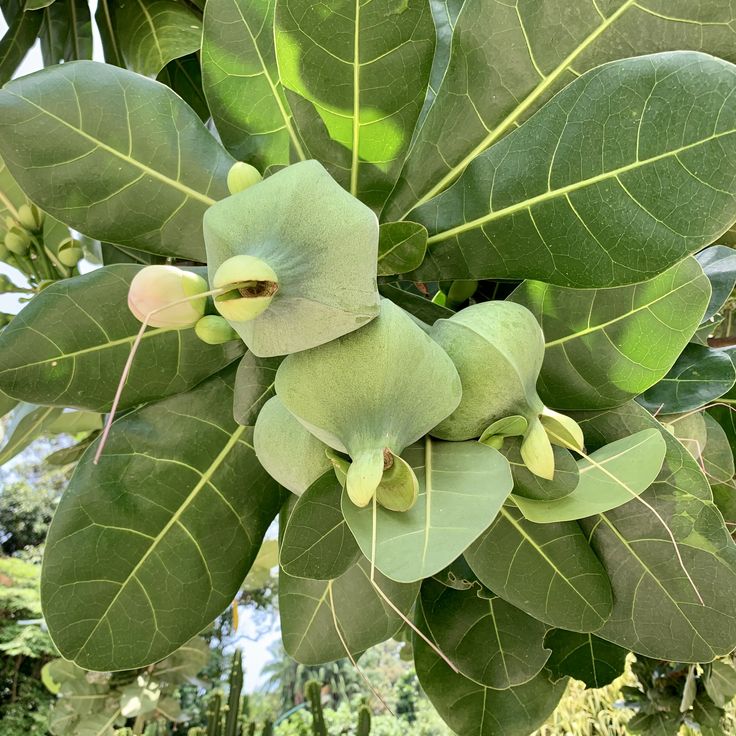
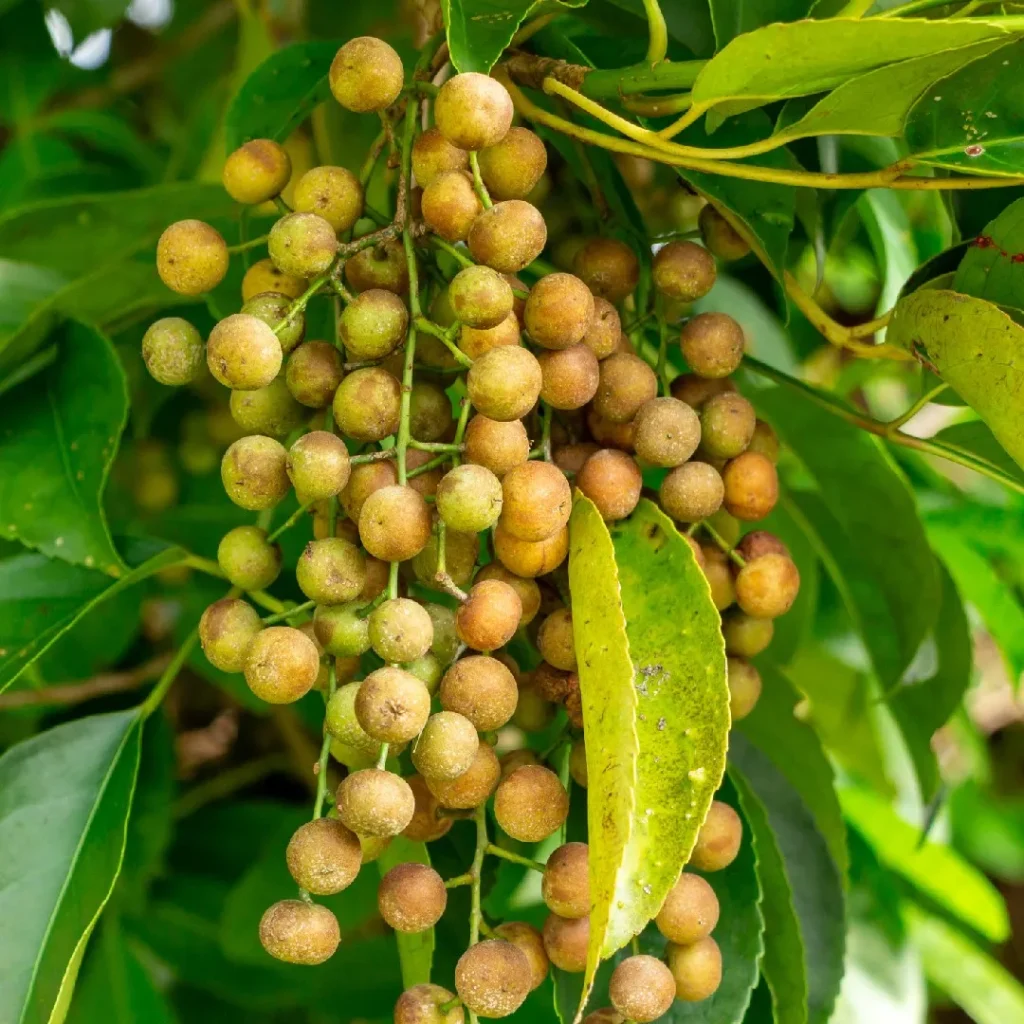
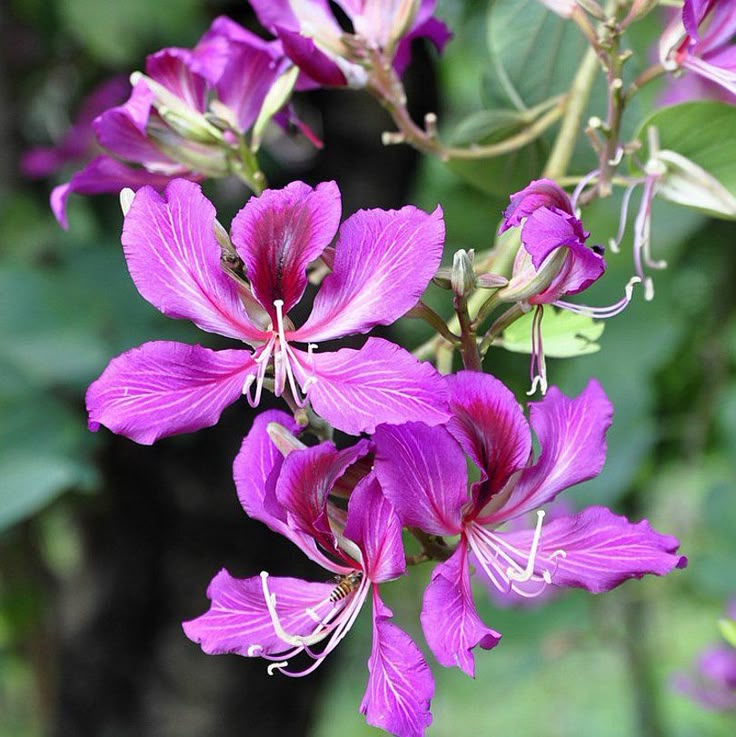
The Kupu-Kupu tree is a beautiful tropical flowering tree known for its elegant orchid-like blossoms and decorative leaves. The tree enhances tropical landscapes with its vibrant flowers and graceful appearance.
Flowering trees are often appreciated in Balinese culture for symbolizing beauty, natural balance, and harmony with the surrounding environment. Their colorful blossoms help create peaceful and spiritually uplifting garden spaces.
The flowers attract butterflies, bees, and other pollinators that support local biodiversity and ecosystem health. The tree also contributes to shade and environmental cooling.
The visual beauty of flowering trees helps create relaxing and calming outdoor spaces, supporting wellness and mindfulness experiences in tropical gardens.
Common Tropical Flowering Tree
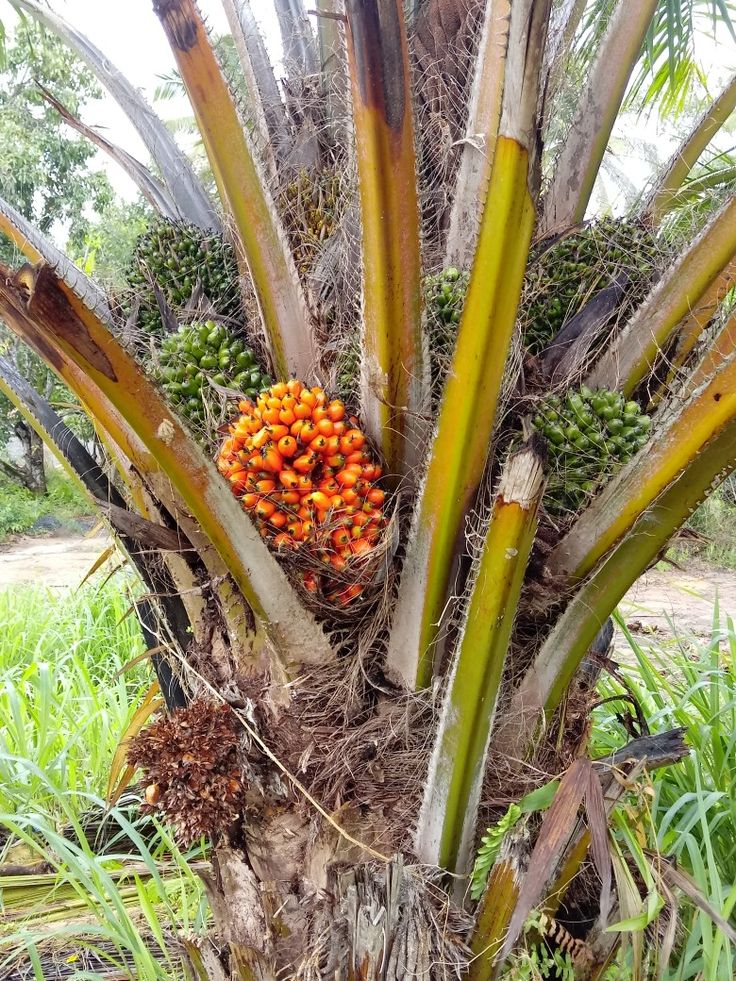
Oil palm is a tropical palm species widely cultivated in tropical regions for its highly valuable fruit and oil production. With its strong upright trunk and large feather-like leaves, the oil palm is well adapted to warm and humid climates such as Indonesia.
Although not traditionally sacred like coconut trees, palm species are often associated with tropical abundance, fertility, and prosperity in Indonesian culture. Palm vegetation also contributes to the lush tropical scenery commonly found throughout Bali.
Palm trees help create shaded environments, support biodiversity, and contribute to the tropical ecosystem. Their presence can also help reduce heat around landscaped resort areas and provide habitat for birds and insects.
Palm oil derivatives are widely used in soaps, cosmetics, candles, and wellness products. Various parts of the plant are also utilized in traditional and commercial industries across tropical regions.
Widely Cultivated Tropical Species

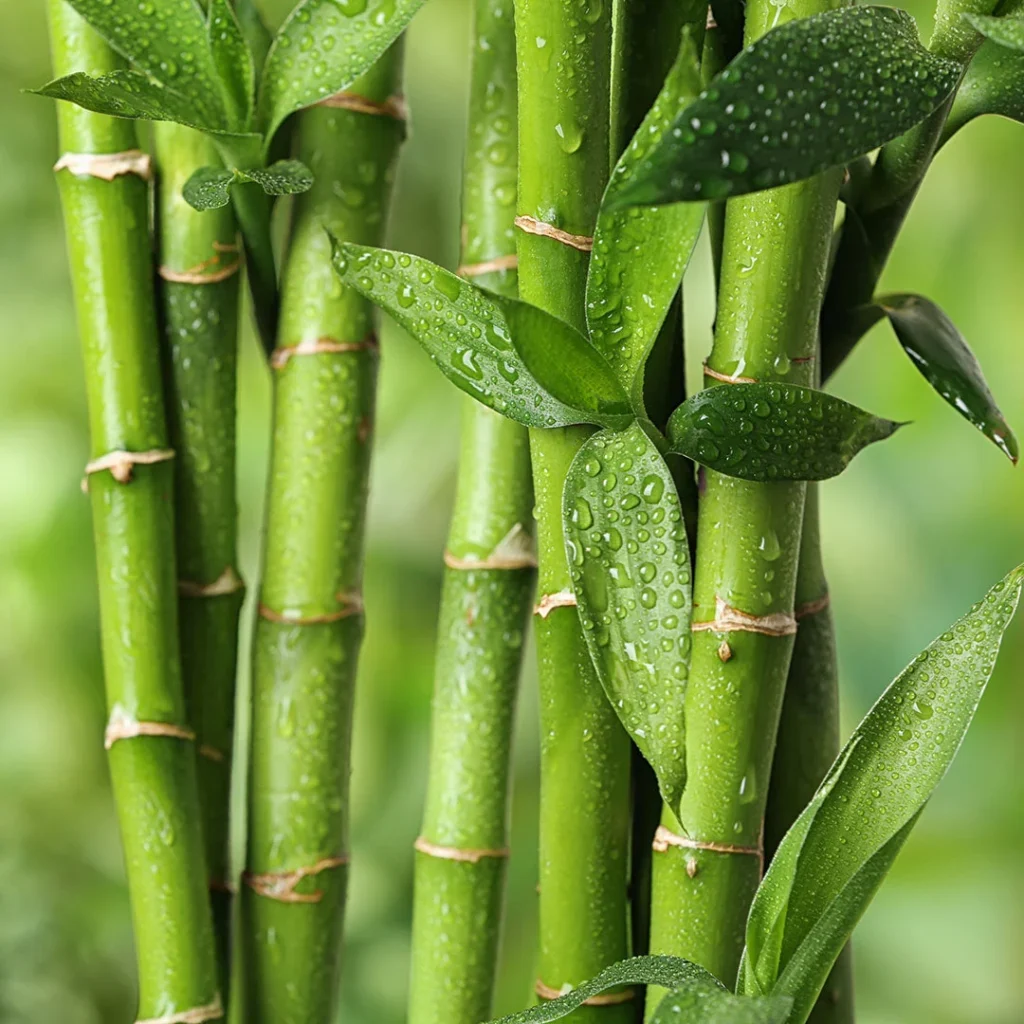
Bamboo is a fast-growing tropical grass species admired for its strength, flexibility, and sustainability. Commonly found throughout Bali, bamboo has long been used in traditional architecture, art, and daily life. Its elegant appearance also enhances the tranquil ambiance of tropical landscapes.
In Bali, bamboo plays an important role in ceremonies, traditional decorations, and community life. It is widely used for making penjor, ceremonial ornaments placed during Balinese Hindu celebrations. Bamboo symbolizes resilience, harmony, and balance with nature.
Bamboo helps prevent soil erosion, improves soil stability, absorbs carbon dioxide efficiently, and supports biodiversity. Its rapid growth also makes bamboo one of the most sustainable natural resources in tropical ecosystems.
Young bamboo shoots are edible and commonly used in traditional cuisine. Bamboo forests are also known to create calming environments that support relaxation, mindfulness, and wellness experiences.
Common Tropical Species / Sustainable Plant Resource
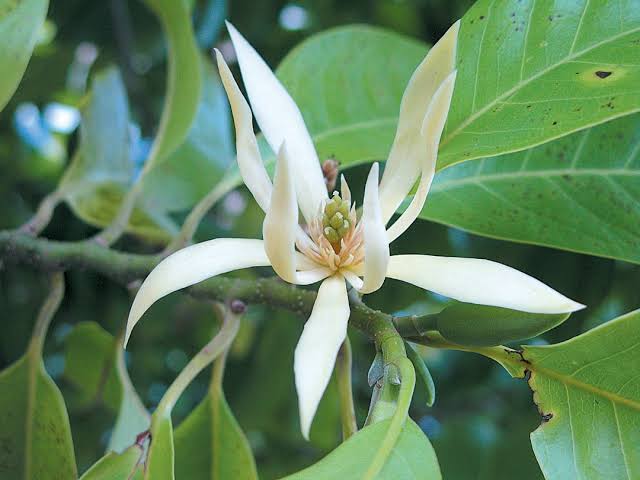
Cempaka is a fragrant tropical flowering tree admired for its beautiful blossoms and soothing aroma. The flower is widely appreciated across Bali for its elegance, spiritual symbolism, and calming natural fragrance.
Cempaka flowers are considered sacred in Balinese Hindu culture and are commonly used in temple offerings, prayer rituals, and traditional ceremonies. The flower symbolizes purity, sincerity, beauty, and spiritual devotion.
The fragrant flowers attract pollinators such as bees and butterflies, helping support the local ecosystem and biodiversity. Its dense foliage also contributes to natural shade and cooling in tropical gardens.
The natural fragrance of cempaka flowers is often associated with relaxation and aromatherapy. Traditionally, the flowers are used to create calming environments and are appreciated for their soothing scent during spiritual and wellness rituals.
Common Tropical Flowering Species
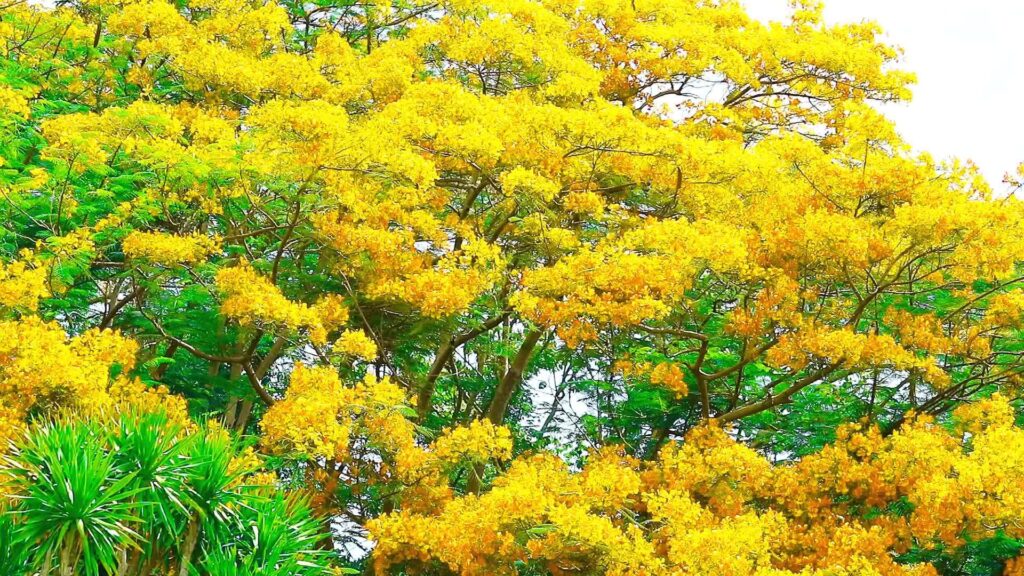
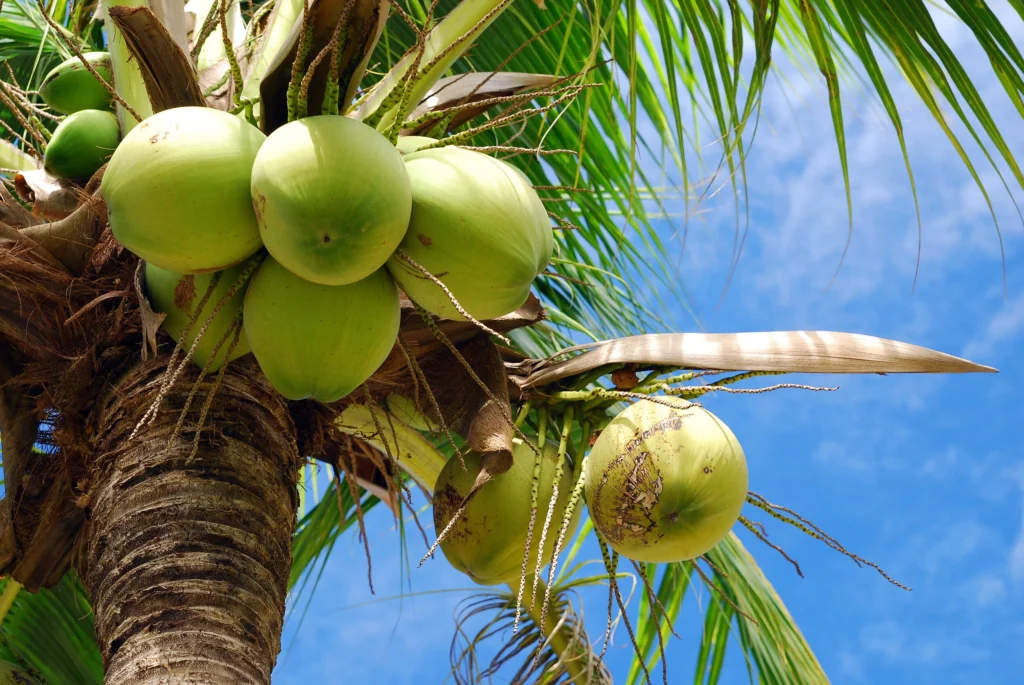
The coconut tree is a highly versatile tropical plant often known as the “Tree of Life” because nearly every part of the tree can be utilized for daily living, food, wellness, traditional ceremonies, and handicrafts. Thriving in tropical climates such as Bali, the coconut tree has become an essential part of the island’s natural landscape and cultural heritage.
In Balinese culture, the coconut tree holds deep spiritual and ceremonial significance. Coconuts, young leaves, and other parts of the tree are commonly used in daily offerings (Canang Sari), temple ceremonies, purification rituals, traditional decorations, and various religious activities. The coconut tree symbolizes purity, harmony, gratitude, and the strong connection between humans and nature.
Coconut trees help create natural shade, maintain tropical humidity, improve air quality, and support habitats for birds and insects. Their root systems also contribute to soil stability and help reduce erosion in tropical environments.
Coconut water is widely known as a natural hydrating drink rich in electrolytes. Coconut oil is traditionally used for massage, hair treatment, and skin care. Coconut flesh is commonly used in Balinese cuisine, while the leaves and shells are utilized for traditional crafts and ceremonial purposes.
Common Tropical Species / Widely Cultivated Species
We use cookies to enhance your browsing experience and provide personalized content. By clicking "Accept All", you consent to our use of cookies. You can customize your preferences anytime.